
Last updated November 15, 2026
 Wrought iron
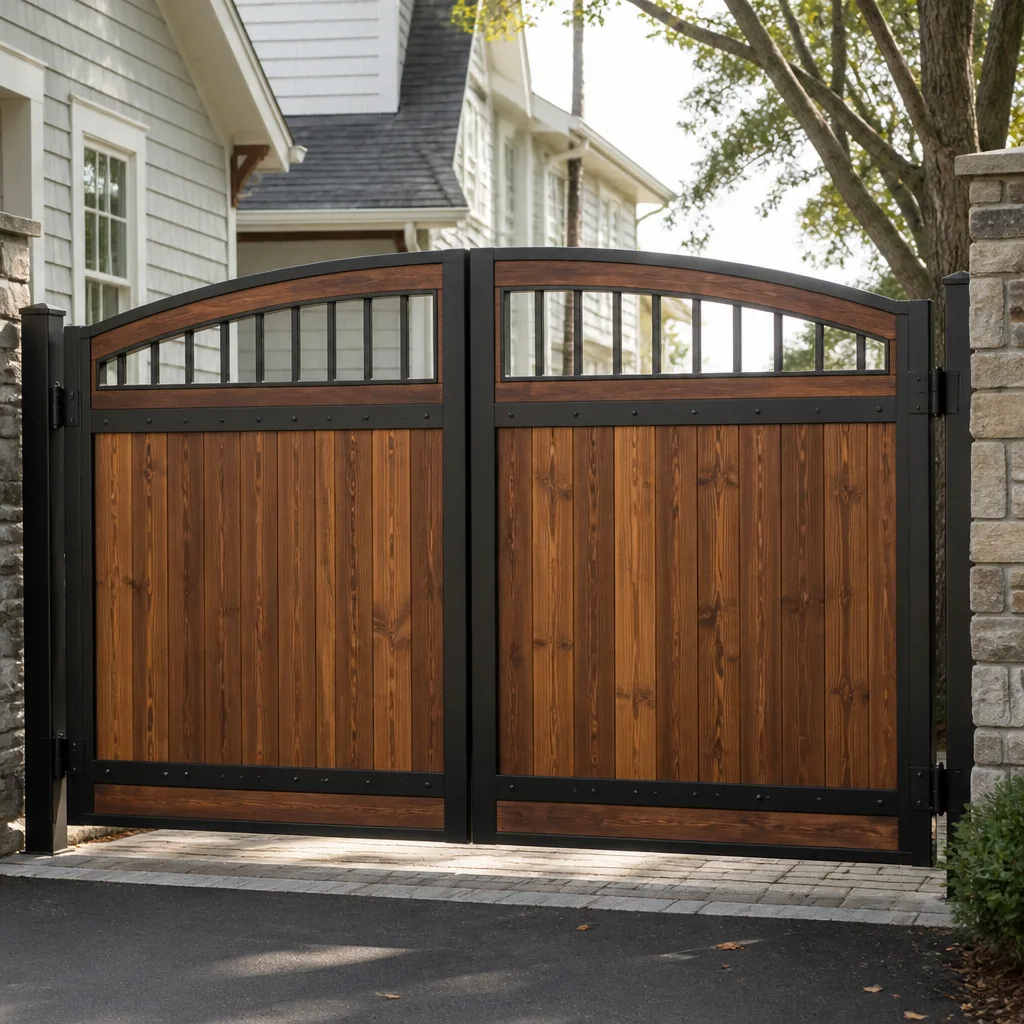 Wood & steel frame
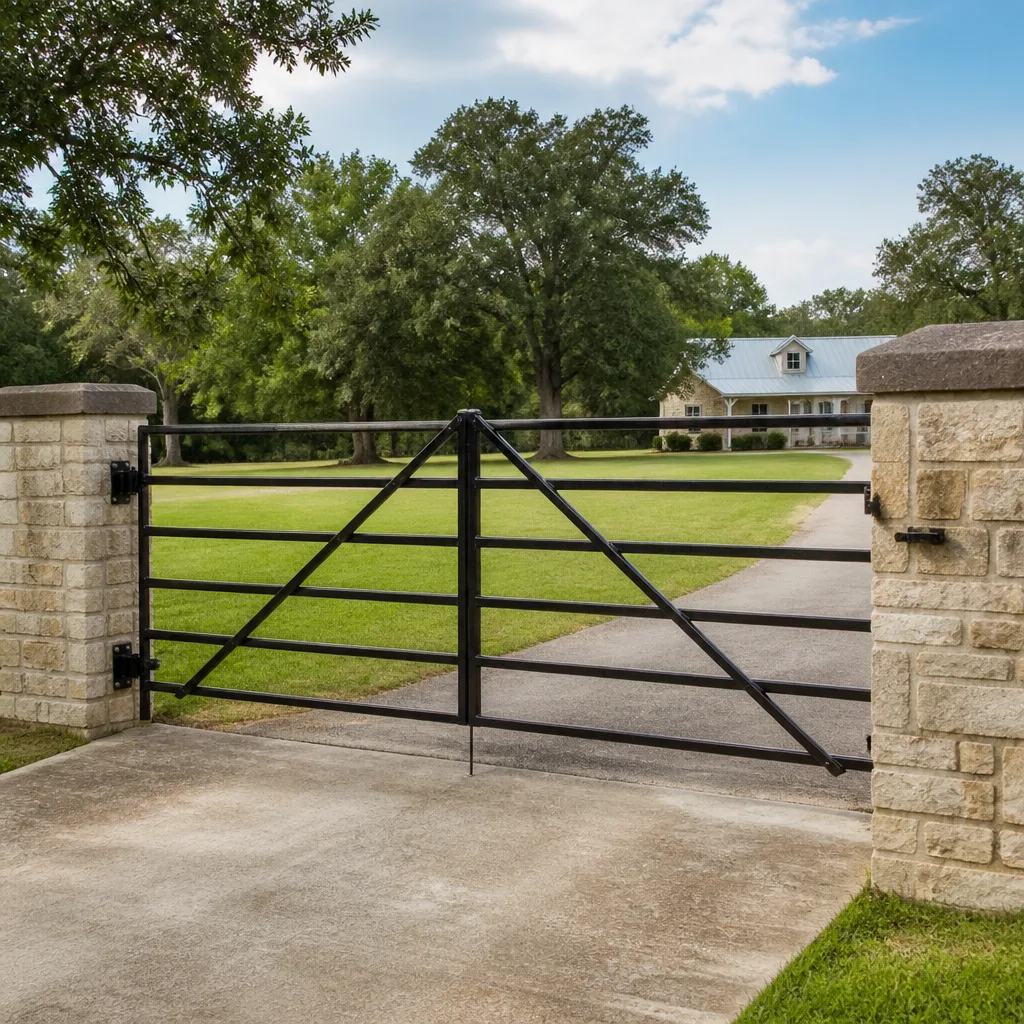 Farm & ranch
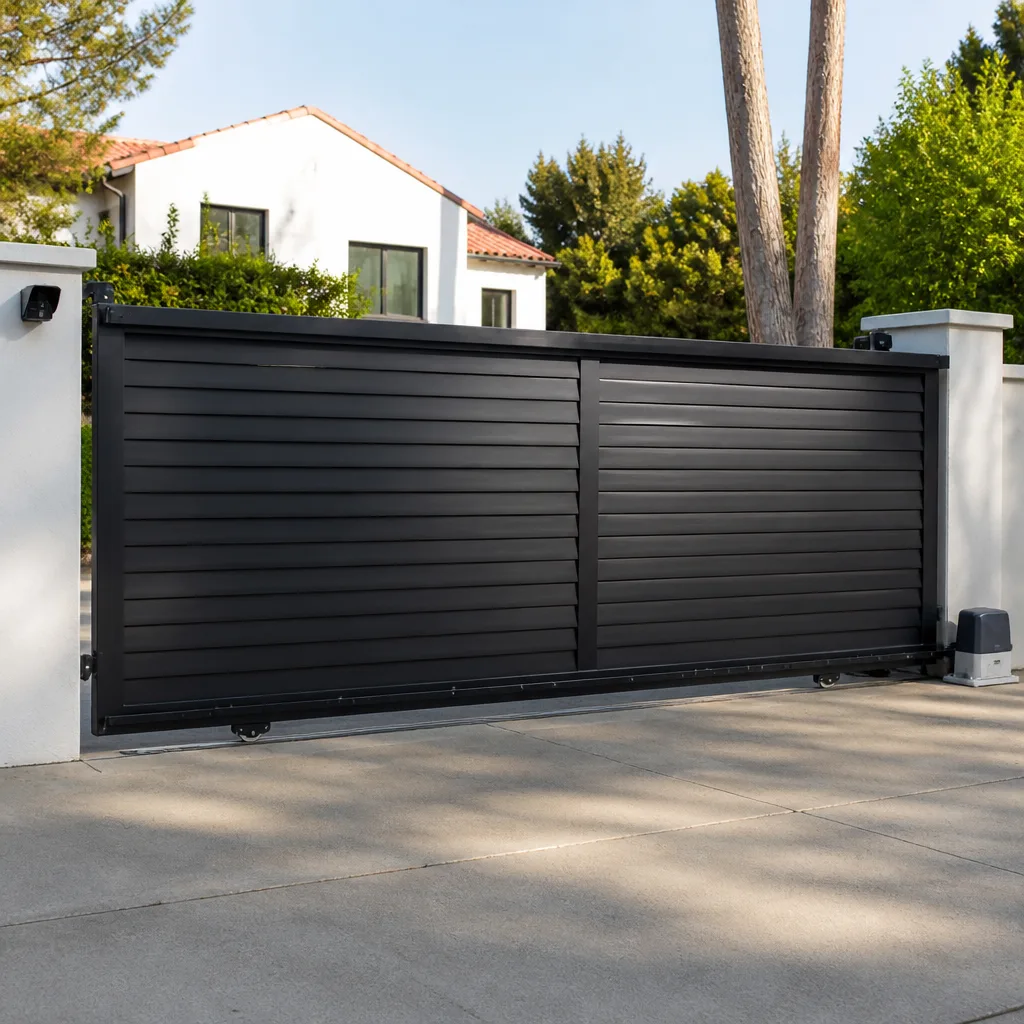 Sliding driveway gates
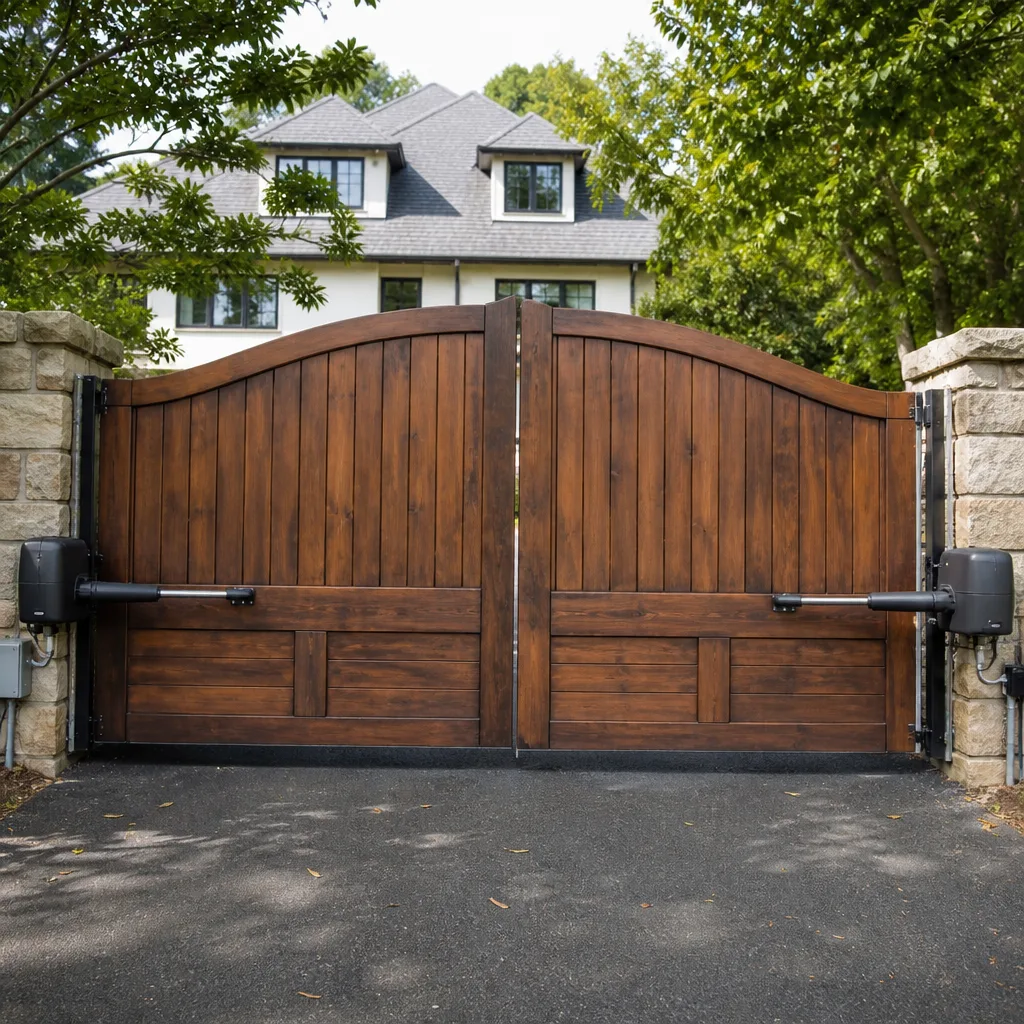 LiftMaster operators
Free on-site gate assessment - hinges, posts, and your LiftMaster or Nice gate operator checked before anything is quoted
The assessment is free and the quote is the invoice.
Get your free estimateGate Repair Maintenance Schedule: What to Do and When
Lubricating a gate hinge every six months sounds responsible. But put the wrong product on a nylon bushing and you’re grinding grit into it, not protecting it. That’s the trouble with most gate maintenance advice: it hands you one flat checklist and treats every part the same. Gates don’t work that way. Steel hinges, sealed gearboxes, control boards and safety loops all age on completely different clocks, and a schedule that ignores that is why so many automated gates in Killeen quit years before they should. This guide breaks the calendar into three tiers and shows you what to watch between visits.
Quick Answer
A working gate maintenance schedule runs on three clocks: monthly safety and visual checks you do yourself, quarterly mechanical service on hinges, tracks, chains and rollers, and an annual electrical and control-board inspection by a technician. Each tier has its own task list, and none of them substitutes for the others. In Killeen’s climate, UV and caliche dust push several of those tasks ahead of what national checklists assume.
Styles & brands we work with
- Wrought iron
- Wood & steel frame
- Farm & ranch
- Sliding driveway gates
- LiftMaster operators
Table of Contents
- The Three-Tier Gate Maintenance Calendar
- Monthly Checks: Safety First
- Quarterly Mechanical Service
- The Annual Electrical and Control-Board Inspection
- How Killeen’s Climate Shifts the Schedule
- Lubricant Selection by Component
- Logging Maintenance That Protects You
- Early-Warning Metrics That Predict Failure
The Three-Tier Gate Maintenance Calendar
Think of gate care as three separate calendars running at once, not one annual list. Mechanical parts wear through friction and load. Electrical parts degrade through heat, moisture and voltage stress. Safety devices fail quietly and can’t be trusted until they’re tested. Because those three fail differently, they need different intervals.
Here’s the structure we recommend for most residential driveway gates and small commercial access systems around Killeen:
- Monthly (owner-level): walk the gate, test the safety reverse and photo-eye or loop, look for oil streaks, listen for new noises, clear debris from the track and photo-eye lenses.
- Quarterly (mechanical service): lubricate the correct components with the correct product, check hinge play, check the chain or rack tension, tighten fasteners, inspect rollers and guide tracks.
- Annually (electrical and board inspection): open the operator housing, inspect the control board for heat damage or corrosion, test the battery backup, check the wiring insulation, verify the manual release, and measure motor current draw against spec.
Commercial properties with high cycle counts compress the middle tier. A gate that opens forty or fifty times a day needs a mechanical service more often than a driveway gate that moves a handful of times, which is why property managers around the Killeen area often work to a quarterly cycle and a busy commercial site moves to monthly mechanical.
The three tiers don’t overlap. A monthly safety check won’t catch a control board whose capacitors are bulging. A quarterly lube job won’t tell you the operator is drawing more amps than it should. You need all three running to catch problems before they take the gate offline.
Monthly Checks: Safety First
These are the checks a homeowner or on-site manager can do without tools and without opening the operator housing. They take about ten minutes and catch the failures that matter most. Never reach into the operator, the drive mechanism or the path of the gate while it’s powered. If you find a problem, stop operating the gate and call a professional.
- Safety reverse test: with the gate operating, confirm the obstruction sensor stops and reverses the gate when the path is blocked. Do this as the manufacturer specifies in the manual, never by standing in the gate’s path.
- Photo-eye or safety loop check: make sure the lenses are clean and unobstructed by dust, spider webs or grass clippings. A clouded photo-eye on a LiftMaster or Linear system reads as an obstruction and leaves the gate stuck open.
- Manual release: confirm the release key or lever moves freely. A release that’s seized from sitting unused is a serious problem during a power cut or emergency.
- Visual walk-around: look for fresh oil streaks under the operator, rust blooming on hinges, loose bolts, bent track sections, and wiring that’s drooping or chafed.
- Listen: run the gate and note any new grind, squeal, rattle or slow spot. Noise is the earliest cheap warning you get.
Log what you find each month, even when it’s “nothing.” A dated record of monthly safety checks is what proves the gate was maintained when an insurer or warranty administrator asks. In Killeen, dust collects fast on photo-eyes and track surfaces, so the monthly lens and track wipe matters more here than a national calendar suggests.
Quarterly Mechanical Service
This tier is where the wrong product does the most damage. Most bearings and bushings on a gate hinge are not bare metal, and most general-purpose lubricants attract and hold the caliche dust that blows around in Killeen. That combination is worse than doing nothing.
- Clean every hinge, roller, track, chain and rack-and-pinion drive before you add anything. Wipe off old lube and grit with a rag first.
- Lubricate each component with the product made for it (see the lubricant section below). Never combine two different lubricant chemistries on the same part.
- Check hinge play: pull and rock each hinge. Loose or seized hinges load the operator and shorten motor life.
- Check chain or rack tension. Slack chains whip and jump; over-tight chains load the gearbox. Set tension to the manufacturer’s specification for the operator, not to “as tight as it goes.”
- Inspect rollers and guide tracks for flat spots, wear and debris. A worn roller drags and makes the operator work harder.
- Tighten fasteners on hinges, brackets, posts and the operator mount.
- Cycle the gate through several open and close cycles and confirm the travel limits still hold.
For Killeen properties, run this quarterly service even if the gate sees modest use, because the ambient dust here builds up faster than the calendar assumes. A gate that stays clean because it’s under a covered entry can stretch the interval; an exposed driveway gate should not.
The Annual Electrical and Control-Board Inspection
Everything above is mechanical and owner-level. The electrical side needs a trained technician once a year, because the failures there are invisible until they strand the gate. We work on electric and automated gates as a core service, and the annual inspection is where we catch most of the problems that otherwise show up as sudden midnight failures.
- Control board inspection: look for heat damage, bulging capacitors, corrosion, loose headers and burnt traces. Different operators show wear differently; a FAAC and a BFT board don’t age the same way, which is why brand familiarity matters.
- Wiring insulation: in Killeen, sun exposure on exposed conduit and cable accelerates UV cracking. Inspect every run.
- Battery backup test: confirm the standby battery takes a charge and carries the gate through an open-close cycle on its own.
- Motor current draw: measure amps against the operator spec. Rising draw is the single best early warning of mechanical drag.
- Safety device verification: test the photo-eye, safety loop or edge, and confirm the operator responds correctly on obstruction.
- Manual release and fail-safe: confirm the gate fails safely when power is removed.
Do not open the operator housing or work on live wiring yourself. The line voltage and stored energy inside a gate operator are dangerous, and a mistake there can destroy the board or, far worse, hurt someone. This is work for a trained professional. It’s also the reason we recommend an annual inspection rather than an emergency visit once the board has fried.
How Killeen’s Climate Shifts the Schedule
National maintenance guides are written for average conditions. Killeen sits in Central Texas, where the two biggest environmental drivers of gate wear are UV and caliche dust. Both speed up the schedule compared with the generic annual checklist.
UV degradation on wiring. Sun-facing cable runs, photo-eye wiring and exposed conduit insulation crack and chalk faster under strong Texas sun than in cooler, cloudier climates. A cracked run at a hinge or a post lets water in and shorts the control circuit. Check the sun-facing wiring every annual inspection and any hinge point carrying cable through a joint. If a run is routed in direct sun, consider asking your technician whether it can be sleeved or re-routed.
Caliche dust infiltration. Caliche dust is fine and abrasive, and it settles into rack-and-pinion drives, chain tracks, roller guides and hinge joints. Applied on top of grease, it forms an abrasive paste that grinds the surfaces it should be protecting. That’s why the quarterly service here starts with cleaning, not lubricating, and why unsealed chain drive systems need a brush-down before any lube goes on. Gates close to graded ground, bare soil or active construction sites experience the worst of it.
Winters here are mild enough that the schedule doesn’t change season to season; the annual board inspection can be booked in any month. What does change is dust load: after a prolonged dry spell or nearby grading work, wipe tracks and photo-eye lenses more often than the monthly check.
Lubricant Selection by Component
One lubricant for the whole gate is the most common mistake we see at service calls across Killeen. The gate has at least four different component types, and they need different products. Use the wrong one and you accelerate the wear you’re trying to prevent.
| Component | What to use | What never to do |
|---|---|---|
| Chain drive | Chain-specific lubricant or manufacturer-specified chain lube, applied thin and wiped to leave a film, not a coat | Heavy grease that traps caliche grit and packs the chain |
| Hinges (steel or bronze bushings) | Small amount of the lubricant the hinge maker specifies; a lithium or dry-film product is common | Dousing hinges with oil that runs onto paint and attracts dust |
| Rack-and-pinion | Rack-specific gear lubricant, brushed on lightly | Engine oil or WD-40 as the finish; both wash off and leave the rack bare |
| Nylon or composite bushings | Dry-film or silicone product only | Petroleum-based grease or oil, which can attack the polymer and shorten bushing life |
| Rollers and guide tracks | Dry-film or manufacturer-recommended track lube | Chain grease; it grabs grit and clogs the track |
The rule under the table: never mix chemistries on the same component. Two lubricants that don’t agree can gum up, and one that’s removed by the other leaves a part bare. Clean first, pick the right product, apply the minimum. When in doubt, the manufacturer’s manual for your operator and gate model wins over any generic recommendation.
Logging Maintenance That Protects You
A maintenance log isn’t busywork. It’s the evidence that proves a gate was cared for when a warranty claim, insurance claim or liability question lands. A one-line entry with a date is enough for a monthly check; the annual electrical inspection should have a report with the technician’s findings.
Here’s what to log, at minimum:
- The date and odometer-style current cycle count.
- The task performed (safety test, lube, board inspection, battery test).
- What was found, including anything you chose to watch rather than fix.
- Who did the work (owner check, technician, or independent professional) and, for technician visits, the written findings on the invoice.
- Photographs of anything flagged as wearing or damaged.
If a warranty claim hinges on whether the gate was maintained, that log is what you point to. If an insurer asks whether the obstruction sensor was tested, the log answers the question without argument. A service record from gate repair work, dated and itemized, becomes useful evidence. Keep it with your property file, not in a drawer next to the gate.
Early-Warning Metrics That Predict Failure
The most useful thing about a maintenance record over time is that it lets you spot trends. A single reading of motor current draw means little; a slow creep over two or three quarterly checks is your clearest sign of a part failing ahead of time. These are the metrics we watch to catch failures 60 to 90 days before the gate goes down.
- Cycle count thresholds: compare cycles against the operator’s rated service life. Log it every quarter. When the count approaches the manufacturer’s service interval for the drive, plan the service before it’s forced on you.
- Motor amp draw creep: a steady rise in current draw across readings points to growing mechanical drag from worn rollers, sticking hinges or a tight chain. Catching it early means a hinge service, not a motor replacement.
- Response-time lag: how long the gate takes to start moving, stop, or reverse after an obstruction command. A slowing response often points to control-board degradation or a receiver issue rather than the motor.
- Temperature drift: an operator that runs hotter during the same cycle in the same weather is working harder than it should.
- Battery sag: a backup battery that drops below spec under a test can fail the gate when a mains outage hits.
- Photo-eye response: an eye that takes longer to register a blockage or light level is on its way out.
None of these need to be measured by the homeowner. Ask the technician to record them during the annual inspection and quarterly service. If you’re on a brand like FAAC or LiftMaster, the operator may track cycle count and diagnostic codes in its own memory, and the technician can read them out. Over two or three visits, a dotted line on a log sheet tells you exactly when to plan service or replacement.
Common Mistakes to Avoid
- Using one lube everywhere. General-purpose grease on a chain pack collects caliche grit and grinds; the same grease on a nylon bushing can attack the polymer. Match the product to the component.
- Skipping the monthly safety test once things seem fine. Safety devices fail silently. The month you stop testing is the month a photo-eye or loop fails unnoticed.
- Over-tightening the chain. “Snug” loads the gearbox and shortens operator life. Set tension to the operator spec.
- Washing out the track with a hose. Water drives grit into sealed bearings and joints. Dry-brush dust from tracks and lenses instead.
- Ignoring a new noise. A grinding hinge, a rattle, a slowing start are cheap to fix and expensive to ignore. Log them and have them checked.
- Working on the operator without training. Line voltage and stored energy inside a gate operator can seriously injure you. Leave the wiring and control board to a technician.
- No written record. A warranty or insurance claim on a gate with no maintenance history is a claim on the back foot. Keep the log.
See the difference
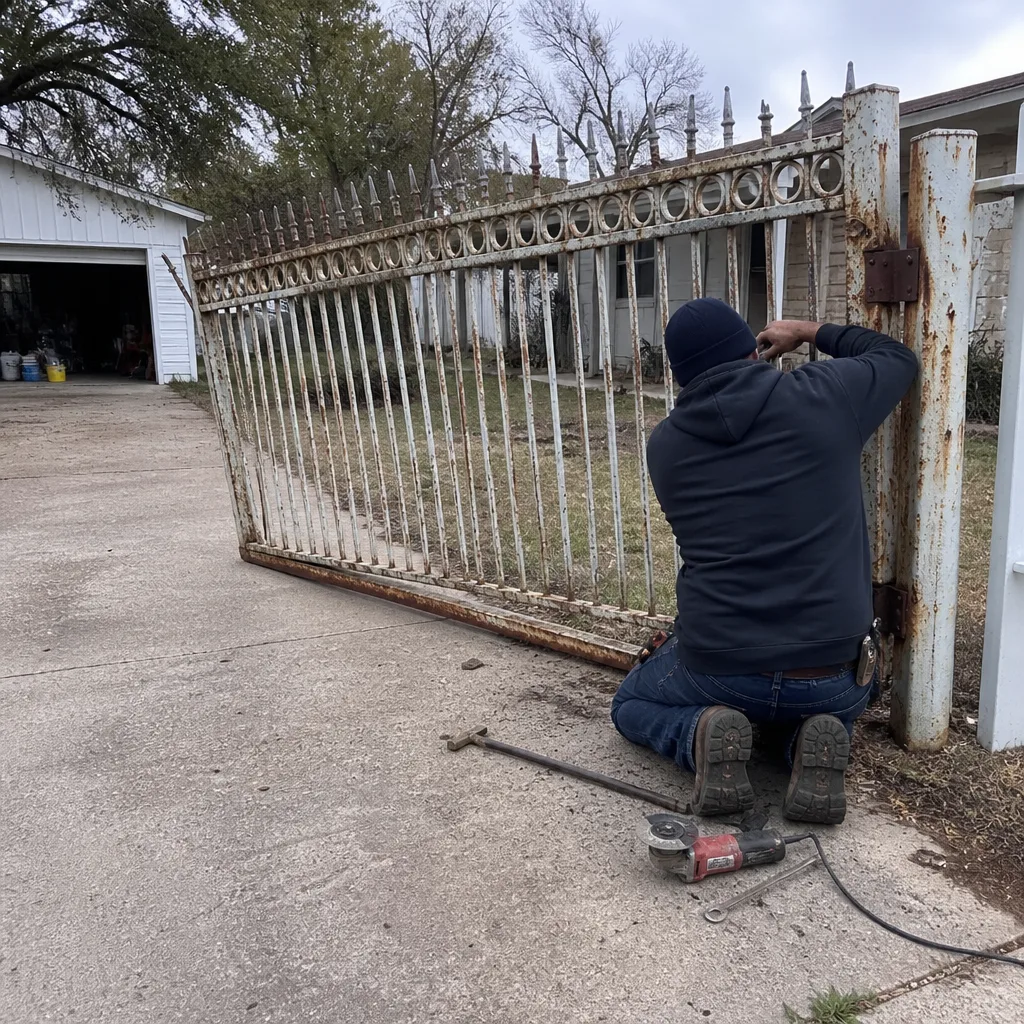 Before
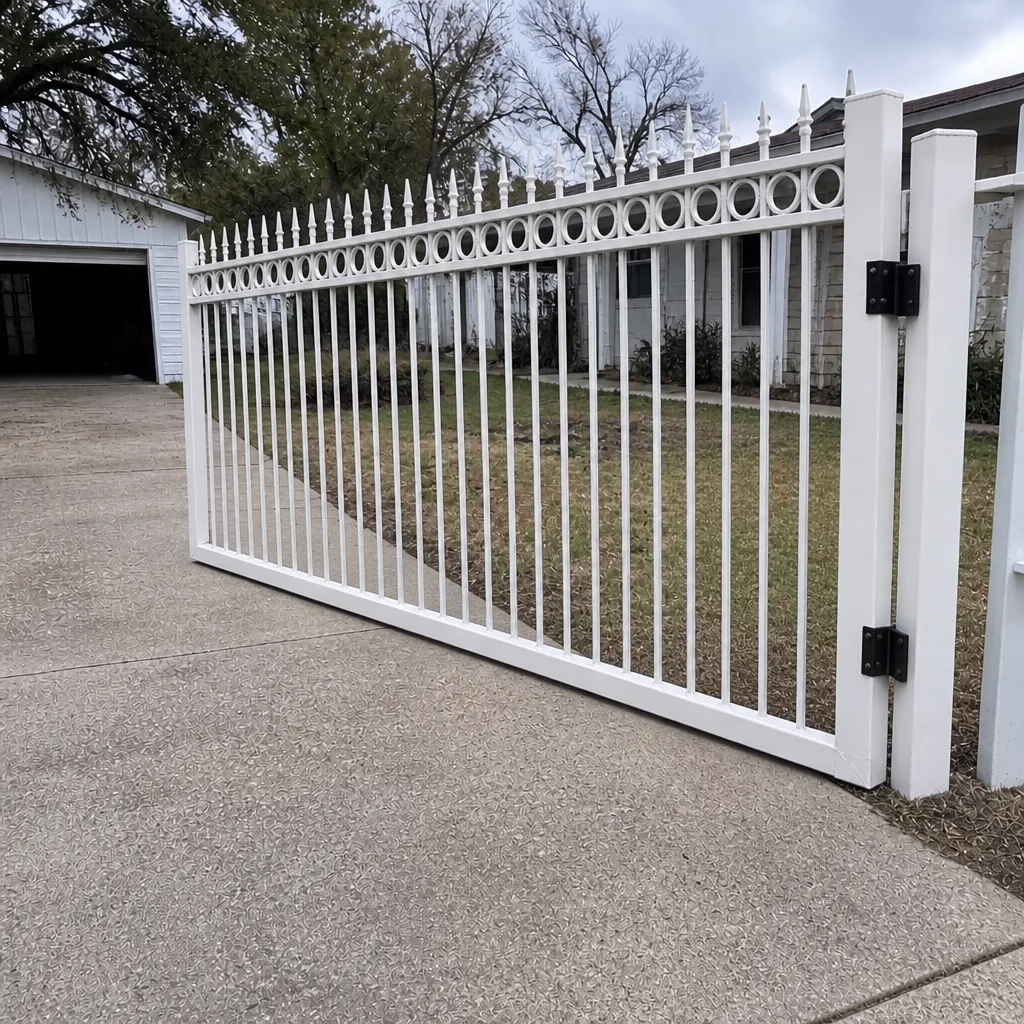 After
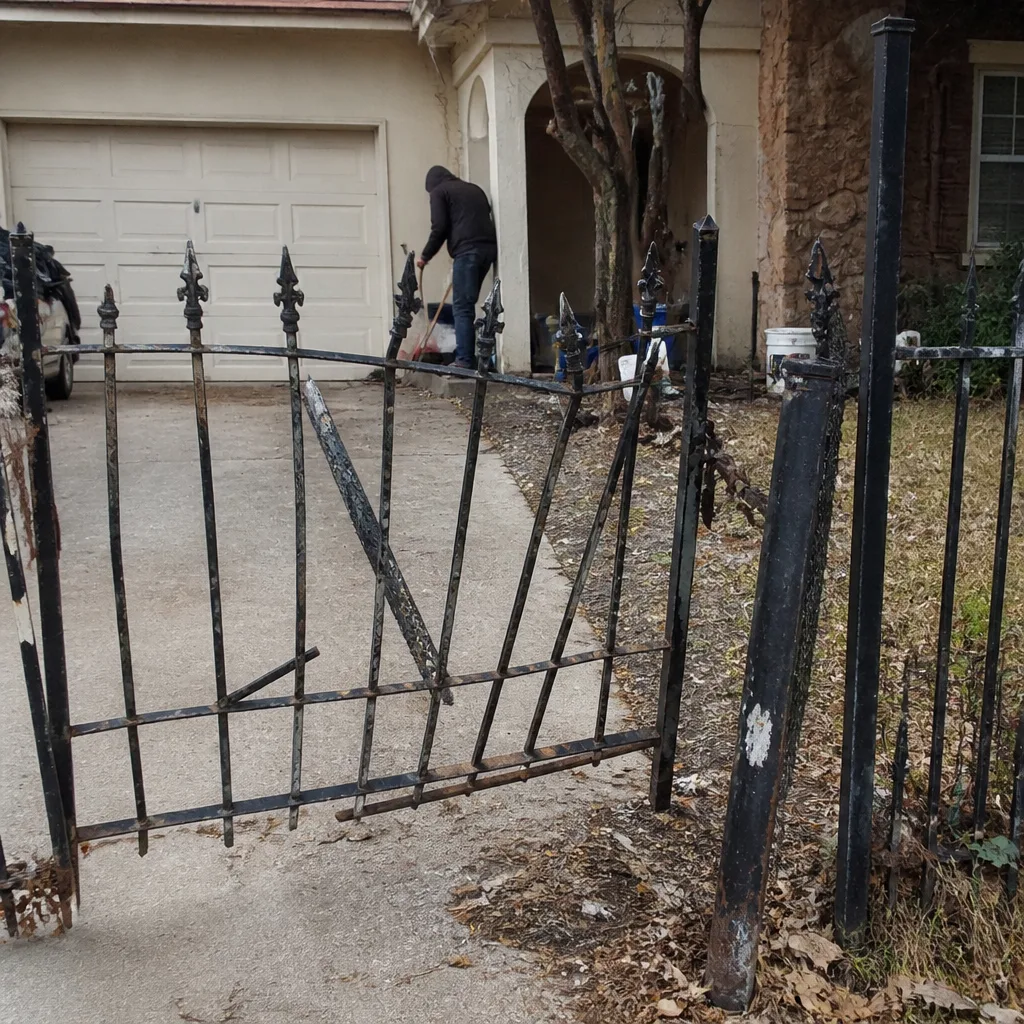 Before
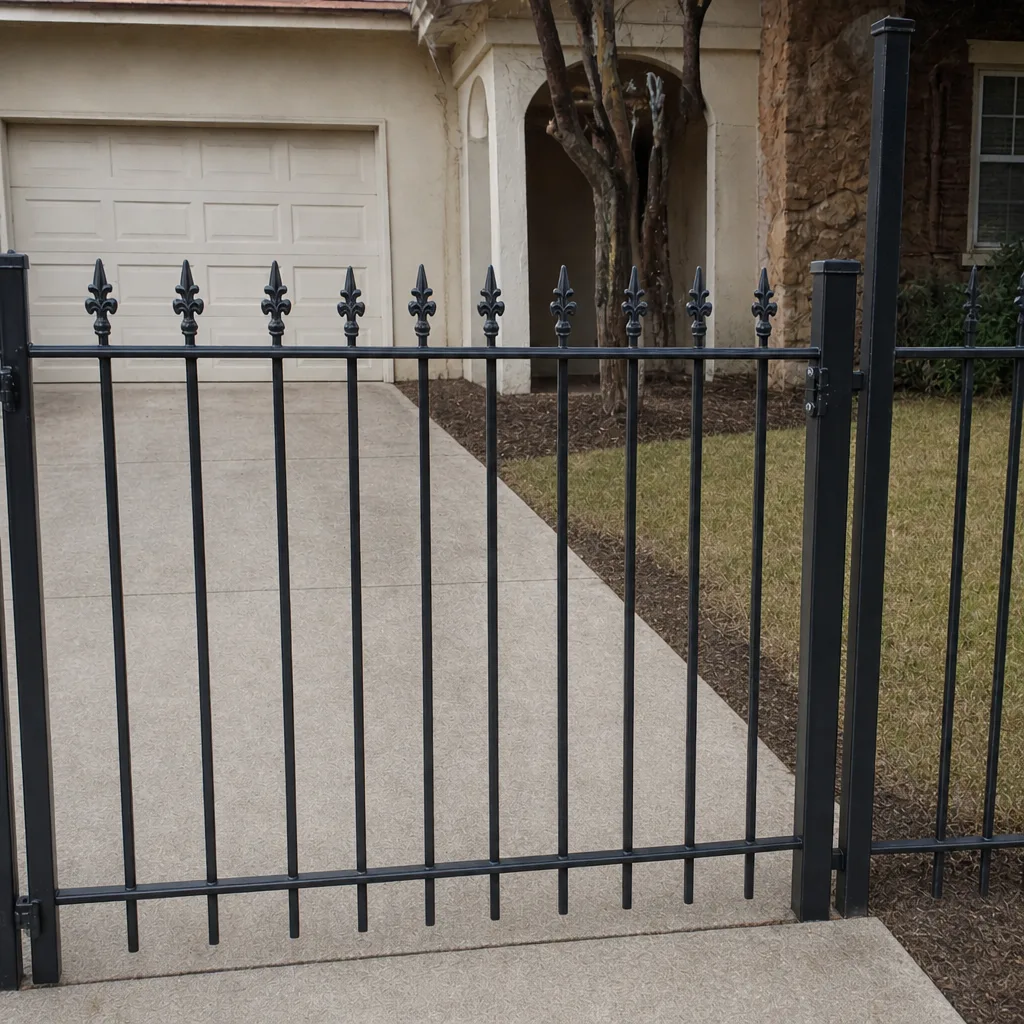 After
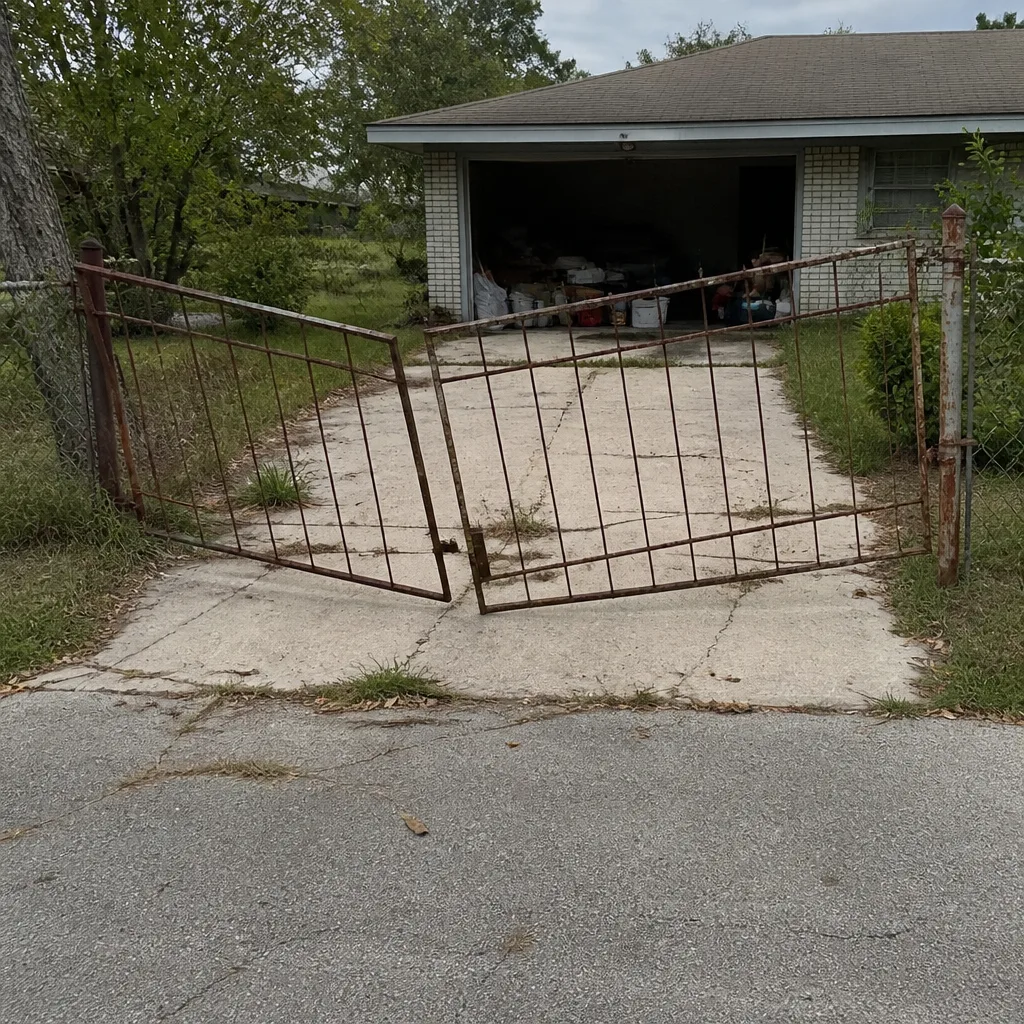 Before
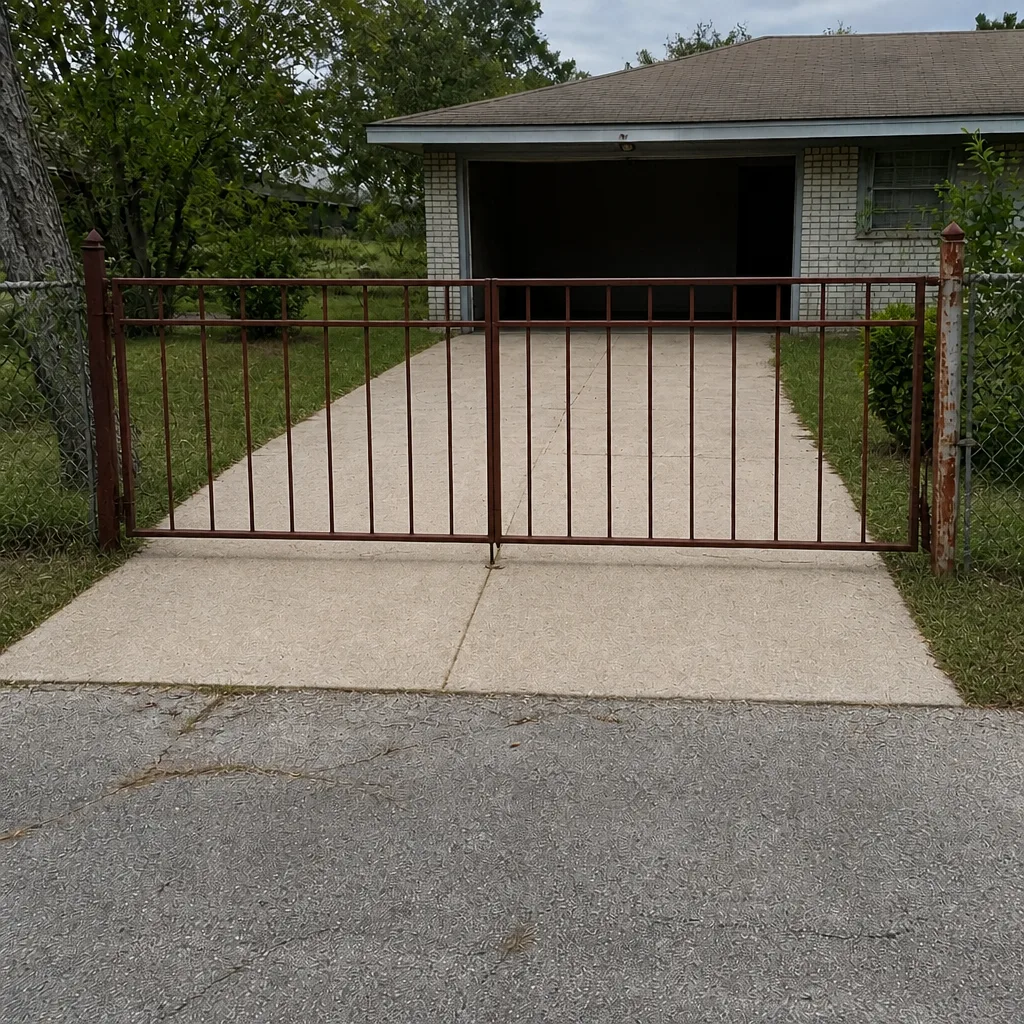 After
When to Call a Professional
Some of this schedule belongs to you, and some of it doesn’t. Call a professional if the gate won’t reverse on an obstruction, if the photo-eye or safety loop fails without an obvious clear cause, if the operator housing shows heat damage, corrosion or a burning smell, if the motor amperage is rising between checks, or if the gate is stuck open and you need it closed today. Also call if a hinge is seized, a post is leaning or the operator has thrown repeated fault errors that clear and then come back. Never try to repair the control board, receiver or safety wiring yourself. Gate Repair Killeen offers free estimates in electric gate repair, and we work on your brand rather than around it. If you’re in Killeen or the surrounding area, we can look at the schedule and tell you what’s due. Call (866) 722-0161. We answer 24/7. Fast dispatch from 7am to 7pm, Sunday through Friday.
Frequently Asked Questions
Most residential driveway gates in Killeen need monthly safety checks, a quarterly mechanical service, and an annual electrical and control-board inspection. Killeen’s UV exposure and caliche dust push the cleaning and lubrication steps ahead of what generic national schedules assume, so treat the quarterly service as a floor rather than a stretch target. Call (866) 722-0161 for a free estimate.
Use a chain-specific lubricant or the product the operator manufacturer specifies, applied thin and wiped to leave a film. Never use heavy grease that traps caliche grit and packs the chain. Apply only after cleaning the chain first. If you’re unsure which product fits your system, call (866) 722-0161 and we’ll point you in the right direction; estimates are free.
No. Control boards, batteries and safety wiring fail quietly and give no warning until the gate stops. An annual inspection catches heat damage, battery sag and wiring insulation cracking while it’s still cheap to fix. Never open the operator housing yourself. Call (866) 722-0161 to book an inspection.
Watch three early-warning metrics: motor amp draw creep, rising cycle count, and slow response time after an obstruction command. A steady rise in any of them predicts a failure roughly 60 to 90 days ahead. A technician can read these during the annual service. Call (866) 722-0161 for a free estimate if any metric looks off.
Yes. We work on your brand, not around it, and are factory-familiar with LiftMaster, FAAC, BFT, Linear and other major gate systems. That means we diagnose by brand logic rather than guesswork. Whether you have a LiftMaster driveway operator or a FAAC commercial system, call (866) 722-0161 for a free estimate.
Yes. A dated record of monthly safety checks and annual inspections is what proves the gate was maintained when a warranty, insurance claim or liability question comes up. Keep written findings and photos of any flagged wear. If you don’t have a record, call (866) 722-0161 to start one with a baseline inspection.
The Bottom Line
A gate maintenance schedule is not one annual checklist. It’s a layered calendar: monthly safety tests you can do yourself, quarterly mechanical service on hinges, chains, rollers and tracks, and an annual electrical and control-board inspection by a trained technician. In Killeen, UV and caliche dust push the cleaning and lubrication steps ahead of the national average, so match the schedule to the local climate rather than a generic guide. Match the lubricant to the component, keep a written log, and track cycle count and motor draw to see failure coming. When any tier needs a trained eye, Gate Repair Killeen is here for repair, electric service and new installation, gates only. We work on your brand, not around it, and we diagnose first and replace only when necessary.
For a Killeen gate that needs a professional eye, call (866) 722-0161 for a free estimate. We answer 24/7. Fast dispatch from 7am to 7pm, Sunday through Friday. Our technicians have up to 13 years of experience, and the price is set per job by the written estimate, agreed before any work starts.
Written by the team at Gate Repair Killeen.