
Last updated November 15, 2026
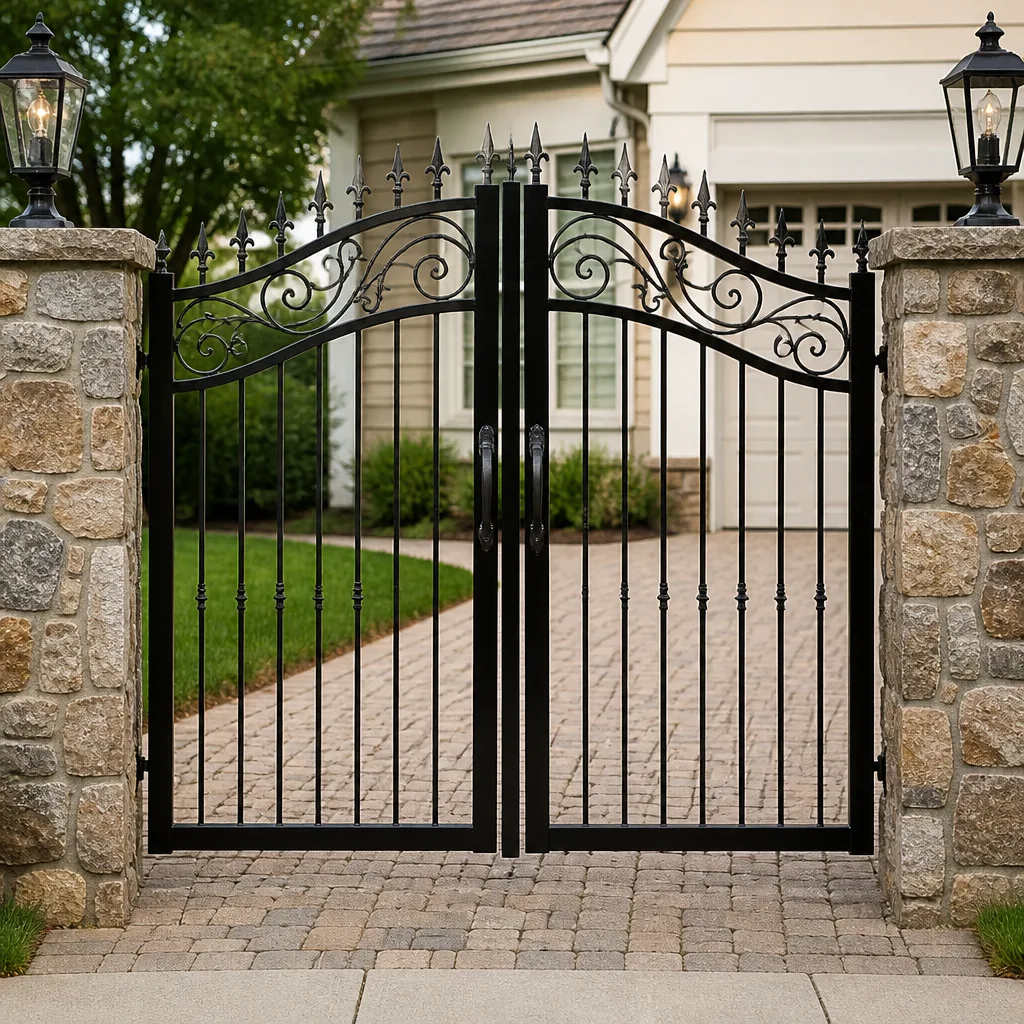 Wrought iron
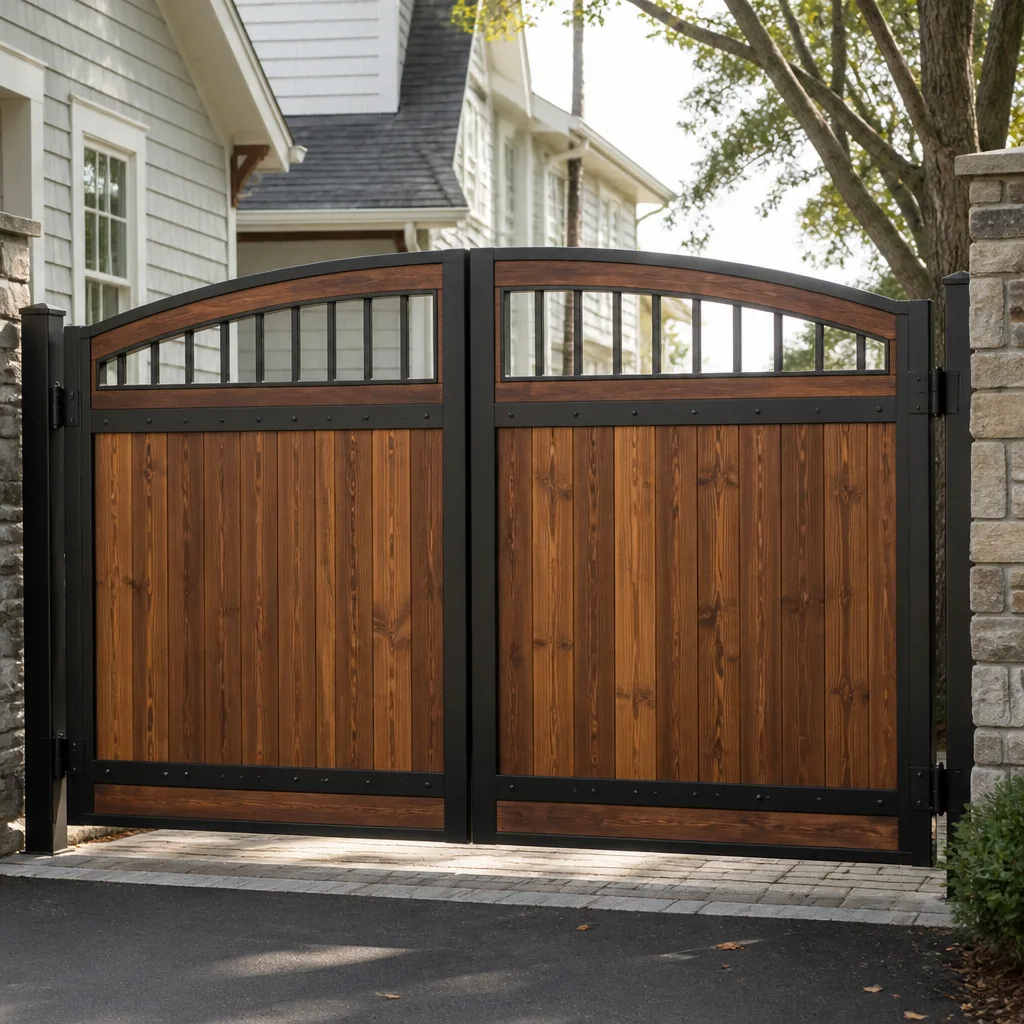 Wood & steel frame
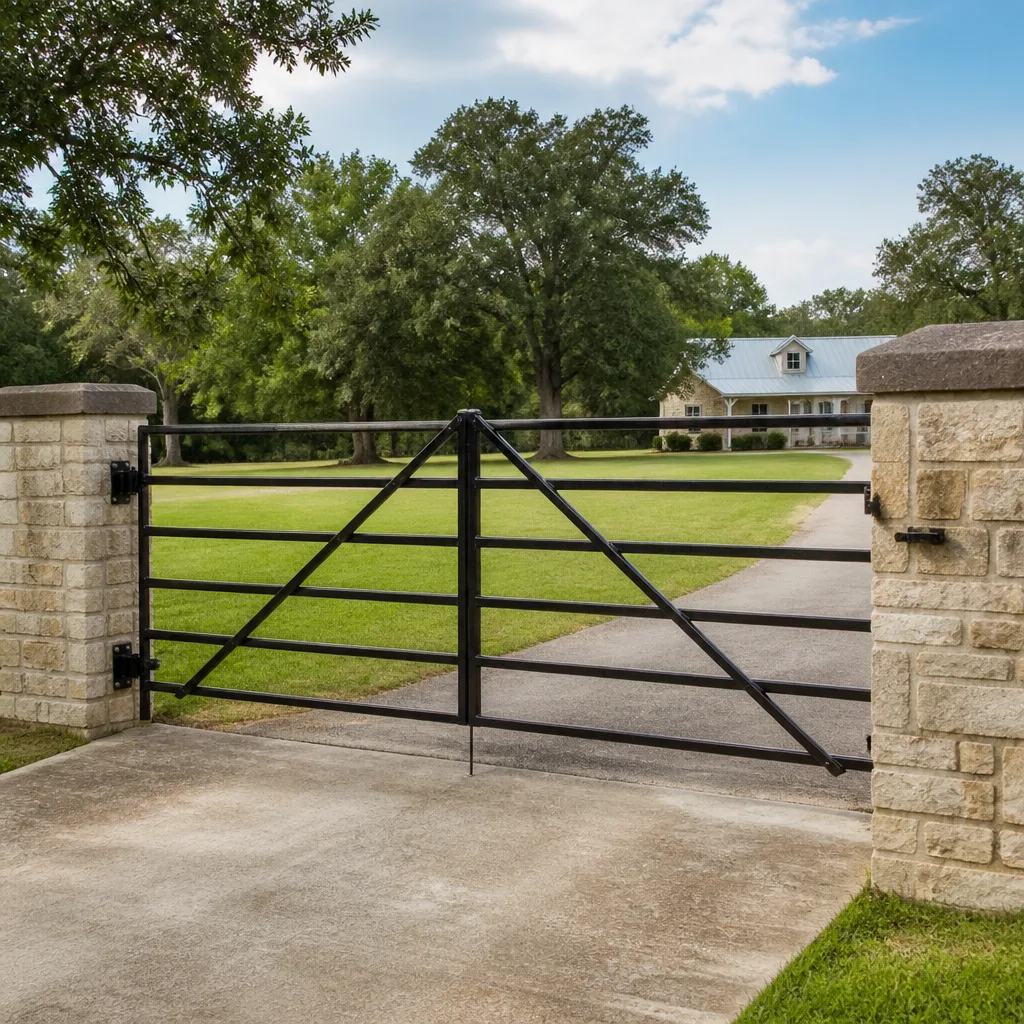 Farm & ranch
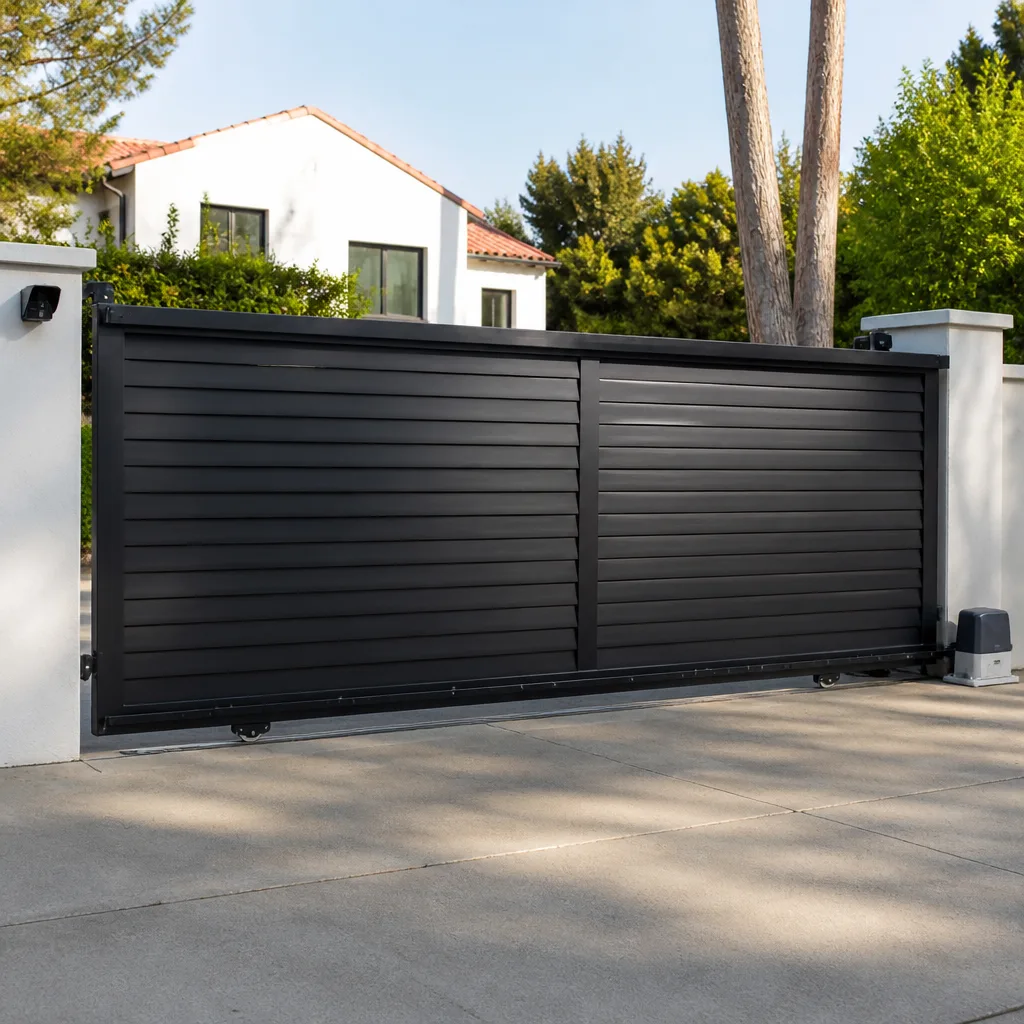 Sliding driveway gates
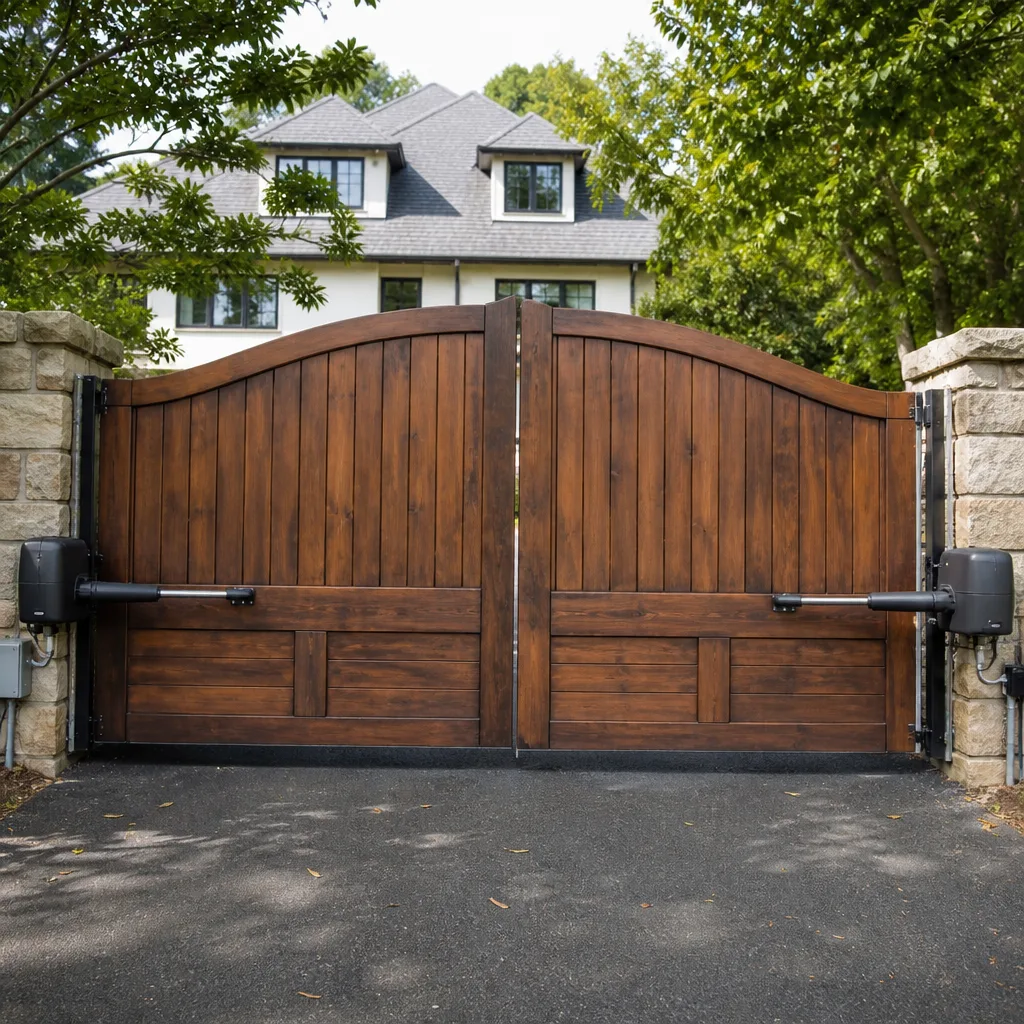 LiftMaster operators
Free on-site gate assessment - hinges, posts, and your LiftMaster or Nice gate operator checked before anything is quoted
The assessment is free and the quote is the invoice.
Get your free estimateGate Repair Permits, Codes & Inspections in Killeen, TX: What You Need to Know
Most people assume the permit question only comes up when you build a gate from scratch. In practice, the trickiest cases we see in Killeen are the in-between jobs: replacing an operator on a gate that’s already standing, swapping a control board for a different model, or adding a safety loop to a driveway that never had one. Some of that work is plain repair. Some of it is a permitted electrical installation in the eyes of the City of Killeen. Getting the classification wrong can put a stop-work order on a property that looked finished last week. This guide walks through where the line falls, how HOA rules sit on top of city code, what UL 325 means for your liability, and how to fix an unpermitted system without tearing it out.
Quick Answer
In Killeen, most gate gate repair work, such as fixing a hinge, replacing a receiver, or repairing a control board on an existing operator, doesn’t require a permit because nothing new is being wired or built. New gate installations, new electrical circuits run to an operator, and major structural changes usually do require a permit and inspection from the City of Killeen. The safest move is to confirm with the city’s building department before work starts, because the boundary between repair and installation depends on whether new wiring, new structure, or a new power source is involved, and that distinction is where most Killeen permit problems begin.
Styles & brands we work with
- Wrought iron
- Wood & steel frame
- Farm & ranch
- Sliding driveway gates
- LiftMaster operators
Table of Contents
- Where repair ends and installation begins in Killeen
- How the permit and inspection process works
- HOA overlay rules in Killeen-area communities
- UL 325 safety compliance and your liability
- Fort Hood proximity and military-adjacent properties
- What to do if you bought a home with an unpermitted gate
- What inspectors actually look at
- Common mistakes to avoid
Where Gate Repair Ends and Permitted Installation Begins in Killeen
The line isn’t drawn by how big the job feels. It’s drawn by what’s new. In Killeen, and in most Texas municipalities, the trigger is whether you’re adding new structure, new electrical work, or a new power source to the property. Anything that stays inside the existing footprint and existing wiring is usually repair. Anything that introduces something that wasn’t there before is usually installation.
Here’s the distinction in practice, using Killeen jobs we’ve seen come through:
- Repair, typically no permit: replacing a control board on an existing operator, swapping a receiver or remote system, fixing a damaged hinge, replacing a roller or track, repairing a bent gate panel, adjusting an existing safety loop that’s already wired in.
- Gray zone, ask the city: replacing a failed operator with an identical or like-for-like model on the same mounting and the same existing circuit. Some jurisdictions treat this as repair; others treat it as a new electrical appliance. In Killeen, confirm before you buy.
- Permitted installation: mounting a new operator where none existed, running a new circuit from the panel to the gate, changing the power source type, building a new gate or replacing a gate with a different structure or swing type, and any work that changes the load on an existing circuit.
Notice what isn’t on either list: the brand. Whether the operator is a FAAC, a BFT, or something else doesn’t change the classification. The classification follows the physical work, not the equipment label. That’s why a homeowner installing a new operator on an existing gate can find themselves in a conversation with the city that they assumed was only for new builds. If you’re standing in front of a gate right now and unsure which side of the line you’re on, a call to the building department takes five minutes and settles it. For the electrical side of that question specifically, our electric gate repair team can tell you what’s involved on the equipment end, and we’ll flag when the scope has moved into permitted territory.
How the Permit and Inspection Process Works for a New or Substantially Modified Gate in Killeen
If your job is on the installation side, the process is sequential and fairly predictable. Every municipality runs it a little differently, and Killeen is no exception, but the moving parts are consistent. Here’s the sequence as we walk customers through it:
- Confirm the scope with the city. Call the City of Killeen building department and describe exactly what’s going in: new operator, new circuit, new gate, or a combination. Ask specifically whether a permit is required for your scope. Get the answer before you schedule anything.
- Confirm HOA requirements separately. HOA approval is a separate process from the city permit. Neither overrides the other. Both need to happen if both apply.
- Prepare your documentation. You’ll likely need a site plan or sketch showing where the gate sits relative to property lines, the equipment specifications including the operator model, and electrical details if a new circuit is being run.
- Submit the permit application. Pay the fee and wait for review. Timelines vary depending on the scope and current city workload.
- Do the work after approval. Never start the job before the permit is issued. A stop-work order is far more expensive than the permit itself.
- Schedule the inspection. The inspector reviews the installation, electrical connections, and safety features. If it passes, you’re done. If there are corrections, they’re documented and you fix them, then re-inspect.
- Keep your records. Save the permit, the inspection sign-off, and the equipment documentation. If you sell the property, this is the first thing a buyer’s inspector will ask about.
That last step matters more than people realize. When a Killeen home changes hands, an unpermitted gate system can become a negotiating item or a sale blocker. The paperwork from the start is what protects you later.
HOA Overlay Rules in Killeen-Area Communities
In many Killeen-area neighborhoods, the city permit is only one approval. HOAs layer their own architectural review on top, and those rules often catch homeowners off guard because the HOA process is entirely separate from the city and runs on its own schedule. You can have a valid city permit and still be out of compliance with your HOA, or vice versa.
What HOAs typically regulate on a gate:
- Style and material. Iron, aluminum, wood, and composite may be restricted or specified. Some communities require the gate to match a particular fence style or existing architectural look.
- Height and setbacks. HOAs may impose stricter height limits or setbacks than the city does. When the two differ, you usually have to satisfy the stricter one.
- Color. Yes, color. Many HOA guidelines specify approved paint or finish colors for gate frames and panels.
- Visibility and screening. Whether the operator and control boxes are allowed to be visible from the street, and whether landscaping is required to screen them.
- Approval paperwork. Most architectural review committees require you to submit the equipment specs and a drawing before work starts. Retroactive approval is harder to get, and some committees flat-out refuse it.
In practice, the sequence for a Killeen-area gate project with an HOA is: read the covenant, submit the architectural review request, wait for written approval, then submit the city permit. Doing them in the other order can leave you with a permit for a design the HOA won’t approve. If you’re in a community near Killeen with an active architectural committee, budget extra time for the review. The install itself doesn’t take long; the approvals can.
UL 325 Safety Compliance and What Non-Compliant Installs Mean for You
UL 325 is the safety standard for automated gate operators, and it addresses something specific: what happens when the gate encounters an obstruction. Modern automated gates use one or more means of entrapment protection, which usually means a combination of a photoelectric sensor or safety loop for detecting vehicles, and an edge sensor or similar device for detecting contact with a person or object.
Why this matters for a Killeen homeowner is liability. If an automated gate is installed without adequate entrapment protection, and someone is injured, the question that gets asked afterward is whether the installation met the applicable safety standard. That question is much harder to answer when the install was never permitted and never inspected. A non-compliant install doesn’t just fail an inspection. It puts the property owner in a weak position if anything goes wrong.
What UL 325 compliance typically involves on an automated driveway gate:
- At least one primary means of entrapment protection, such as a photoelectric sensor or an edge sensor, matched to the operator’s requirements.
- Correct placement of the sensor so it actually detects what it’s supposed to detect. A sensor that’s mounted in the wrong spot or aimed wrong provides no real protection.
- Proper wiring for the safety devices, run and terminated correctly.
- Operator settings that match the gate’s actual travel and force, so the gate reverses when it should.
- Consistency with the manufacturer’s instructions for the specific operator model.
This is where brand familiarity matters. An operator from Linear or Viking has its own setup requirements for entrapment protection, and those requirements aren’t interchangeable across brands. We work on your brand, not around it, because the safety setup follows the operator’s own documentation. If you inherited an automated gate and you’re not sure whether it was set up to standard, an inspection is a reasonable starting point. We can look at the system and tell you what’s there and what’s missing. For questions about the full picture on the repair side, Gate Repair Killeen lays out what we cover.
Fort Hood Proximity and Military-Adjacent Properties
Killeen sits directly beside Fort Hood, and that shapes the local property market in ways that matter for gate work. A large share of Killeen homes are rental properties owned by people who don’t live in the area, occupied by military families who rotate every few years. That has two practical consequences for permits and compliance.
First, the person authorizing the work often isn’t the person who’ll live with it. A property manager authorizing a gate install for a rental has to get the permit in the owner’s name on some scopes, and the owner may be in another state. Getting paperwork signed and returned can take longer than the work itself. If you’re a property manager in Killeen coordinating a permitted install, build the sign-off time into your schedule.
Second, military families moving in and out of Killeen rentals often inherit gate systems they didn’t install and don’t know the history of. A tenant may not know whether the gate at their address was permitted, when it was installed, or whether the safety sensors were ever set up correctly. If you’re a tenant and the gate is malfunctioning, report it to your property manager rather than authorizing repairs yourself, since the decision on scope is the owner’s.
For properties near base housing, we’ve seen HOAs and property management companies apply particular attention to access control and gate records, because access logs and compliance documents are part of how those properties are managed. If you’re working with a commercial or multi-tenant property in Killeen, keeping permit records organized isn’t optional; it’s part of how the gate system is supposed to be run. If you’re a homeowner near the base in a rental, and the gate needs a repair beyond your scope to authorize, escalate it, and we can talk to your manager directly once the call is made. You can reach us at (866) 722-0161 if you need to sort out which side of the repair-versus-install line a job is on.
What to Do If You Bought a Home With an Unpermitted Gate System
This is more common in Killeen than most homeowners expect, especially on properties that have changed hands a few times. You buy a home, the gate works, and later you discover there’s no permit on file. Here’s how to bring it into compliance, in order:
- Confirm the status first. Call the City of Killeen building department and ask whether a permit exists for the gate at your address. Don’t assume either way; verify. You want the record, not a memory.
- Find out what was actually installed. Note the operator brand, model number if visible, mounting details, and whether there’s an electrical circuit dedicated to the gate. If you can find a manual or documentation from the previous owner, great, but don’t count on it.
- Ask the city what’s required to legalize the existing installation. In some cases, the city will allow a homeowner to file for a permit after the fact and have the installation inspected. In others, the fix may require bringing the system up to current safety standards, which can mean adding entrapment protection devices, correcting wiring, or both. Ask what the specific path is for your situation.
- Get the safety features checked before the inspection. If the gate has been operating without proper entrapment protection, that’s what will likely need attention. An automated gate without functioning safety devices is a hazard regardless of the permit question, so this is the priority.
- Do the corrective work, then schedule the inspection. Once the safety and electrical components are right, the city inspects, and if it passes, you have a legal, documented gate system.
- Keep the records with your home file. Permit, inspection sign-off, and equipment documentation should live with the property records, not on a phone you’ll lose.
Full replacement is often not necessary. We’d rather diagnose first and replace only when necessary, because a gate assembly that’s structurally sound doesn’t need to come out just because the permit wasn’t filed. The compliance path usually runs through the safety and electrical systems, not the gate itself. That’s the good news about inheriting an unpermitted system in Killeen: it’s usually a fixable paperwork and equipment situation, not a rebuild.
What Inspectors Actually Look At
When a Killeen inspector arrives, they’re not running a brand preference check. They’re looking at safety, structure, and wiring, in that order. Knowing what they’ll look at makes the inspection process far less stressful.
- Electrical connections and circuit. Is the circuit correctly sized and properly installed? Is the disconnect accessible? Is the wiring to the operator done to standard?
- Entrapment protection devices. Are the sensors or loops present, correctly placed, wired, and functioning? Will the gate reverse when something is in its path?
- Structural attachment. Is the operator mounted securely? Are the gate posts properly footed for the gate’s weight and swing? Does the gate operate without binding?
- Height, setbacks, and site conditions. Does the installation match the approved plans and the property’s zoning requirements?
- Match to submitted plans. If you submitted a plan, the installation has to match it. Deviations during the install should be documented and cleared, not assumed.
One thing that helps every Killeen inspection go smoothly: have the manufacturer’s installation instructions on hand and follow them. Inspectors may reference them, particularly on the safety device setup. A clean installation that follows the operator’s instructions is far less likely to draw corrections than one that was improvised.
Common Mistakes to Avoid
- Assuming repair is always repair. A like-for-like operator replacement feels like a repair to the person doing it, but the city may see it differently. Confirm the scope with Killeen before buying equipment. The cost of asking is zero; the cost of a stop-work order is not.
- Skipping HOA approval because the city permit is in hand. A city permit doesn’t satisfy the HOA, and HOA retroactive approval is difficult to get. Read the covenant and submit the architectural review first.
- Installing an operator without proper entrapment protection. This is the single biggest safety problem we see on automated systems. A functioning photoelectric sensor or edge device isn’t optional; it’s what makes the installation defensible if anything happens.
- Buying an operator before knowing what the existing wiring supports. The brand and model you buy have to match the circuit and the mounting you actually have, not the one you assumed you had. Check first, buy second.
- Doing permitted work before the permit is issued. Starting early feels efficient but can result in a stop-work order and a much longer timeline. Wait for approval.
- Inheriting an unpermitted gate and doing nothing. An unpermitted automated gate is a liability question waiting to be asked. Confirm the status and, if needed, close the gap.
- Not keeping the paperwork. Killeen homeowners who sell later are often asked for permit and inspection records. If they aren’t saved, the buyer’s inspector will raise the question, and that becomes a negotiation item.
See the difference
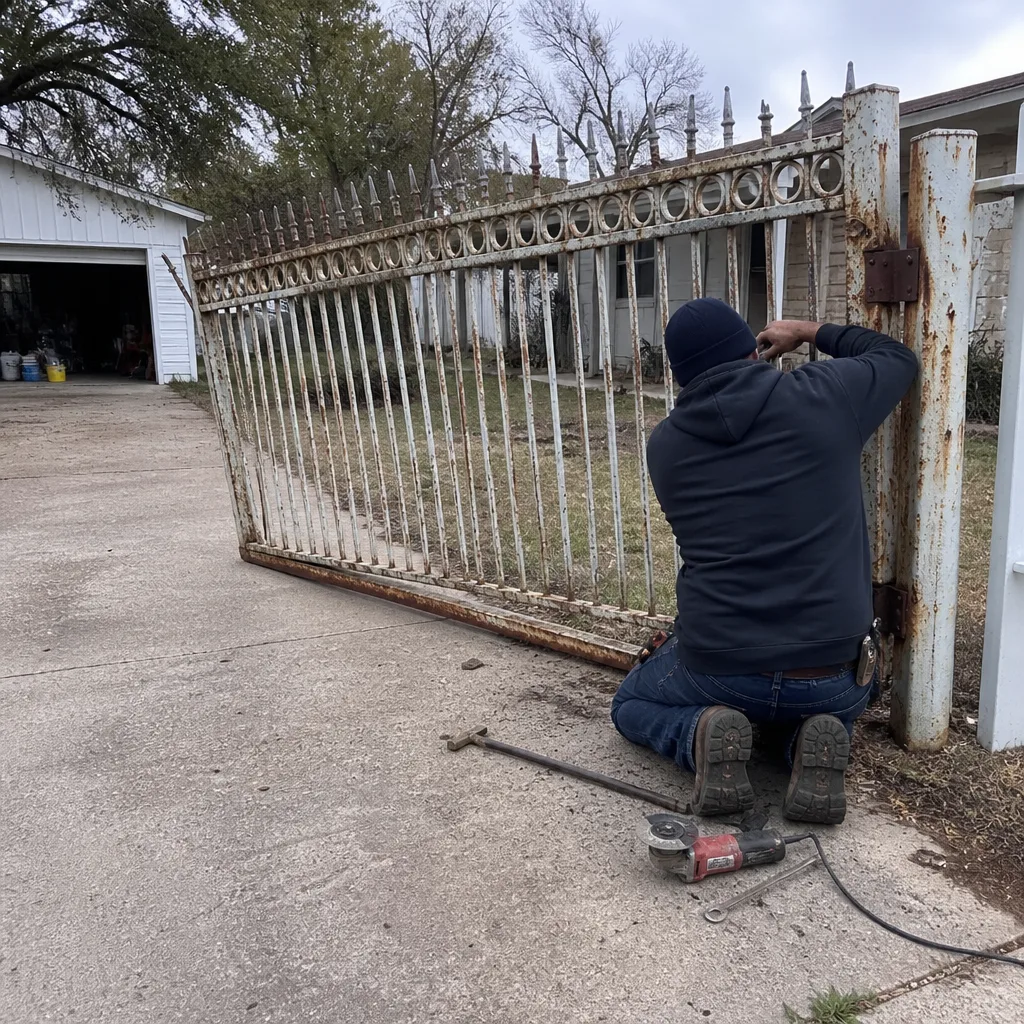 Before
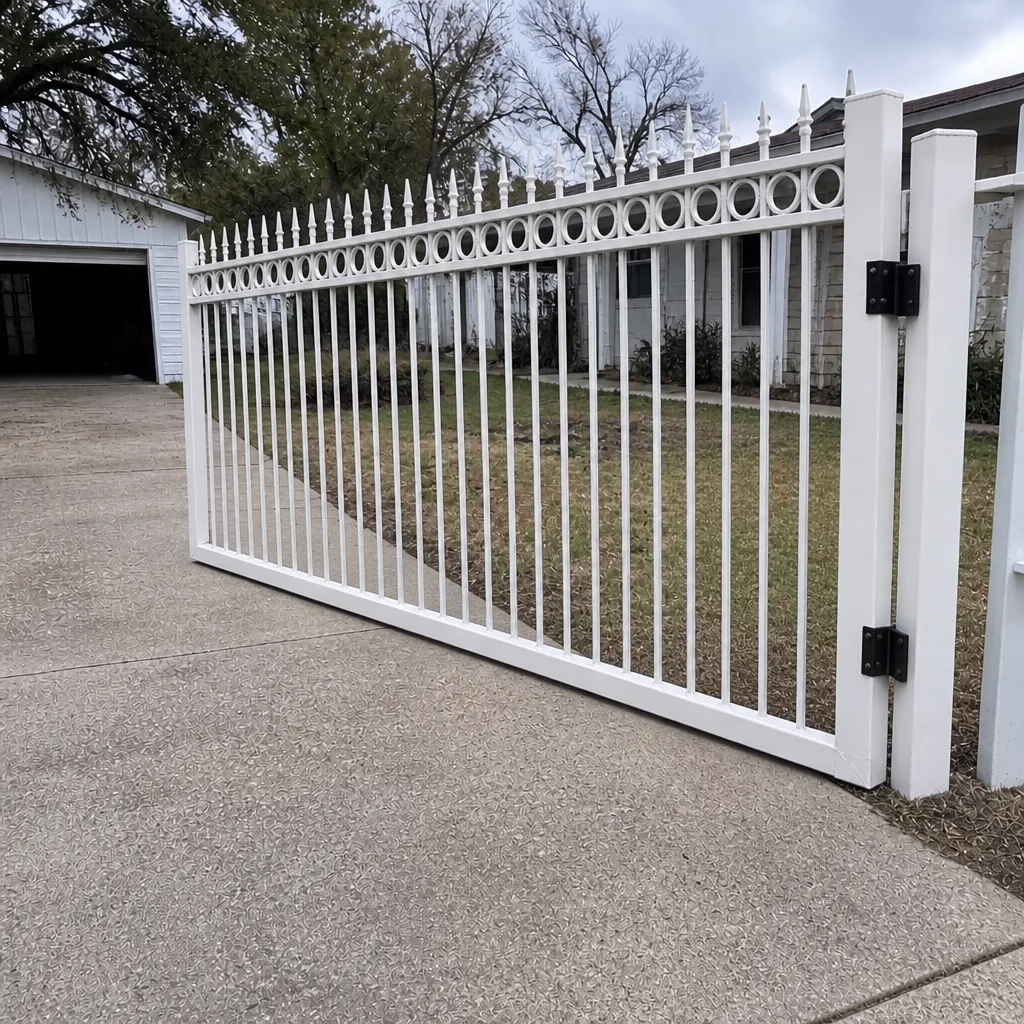 After
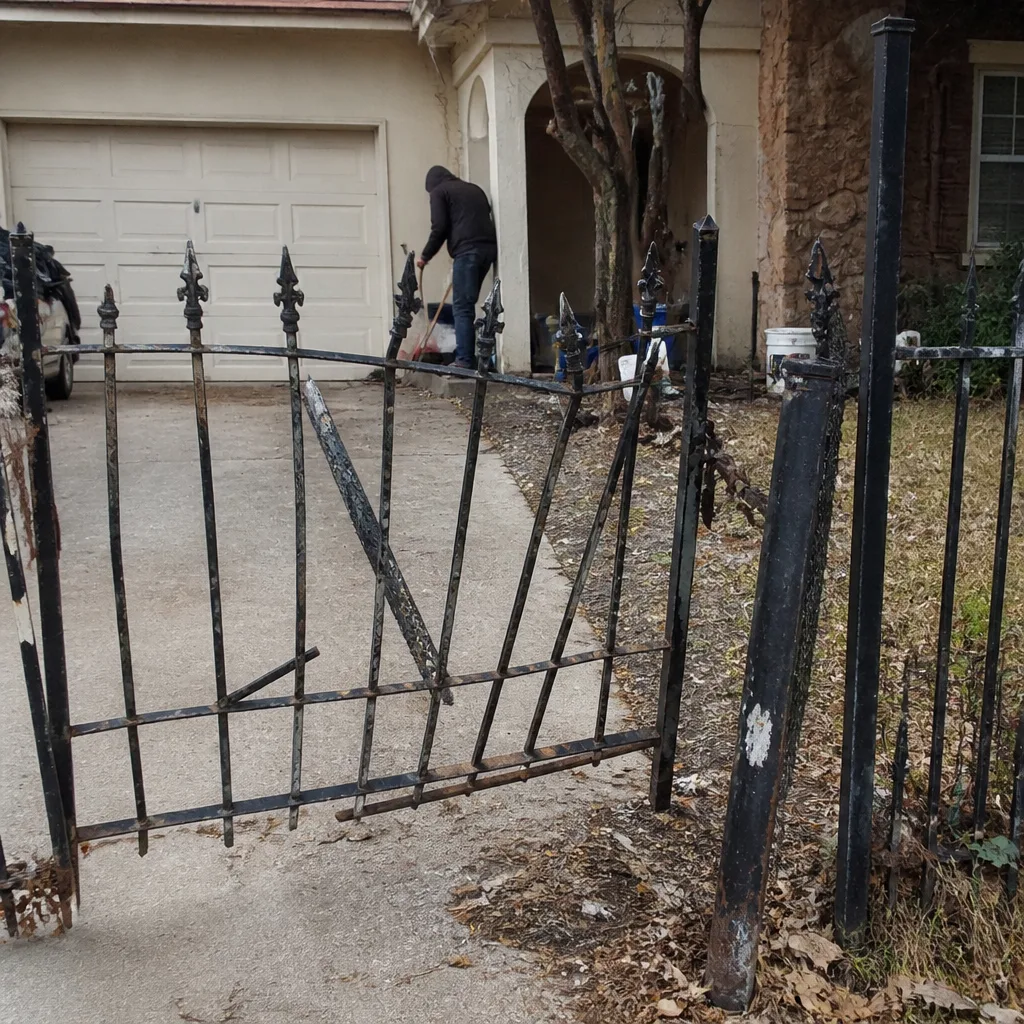 Before
 After
 Before
 After
When to Call a Professional
Bring in a specialist when the job crosses into electrical, safety, or compliance territory. That means: any time a new operator is going in, any time a circuit is being run to the gate, any time the safety features are being changed or corrected, any time an unpermitted system needs to be brought into compliance, and any time a gate from a brand like FAAC or BFT is misbehaving in a way that a generalist can’t diagnose cleanly. Gates only, that’s our trade. We work on the brand you already own rather than pushing a replacement, and we tell you when a job needs a permit so you aren’t the one who finds out later. Gate Repair Killeen offers free estimates in Killeen. Call (866) 722-0161. We answer 24/7. Fast dispatch from 7am to 7pm, Sunday through Friday.
Frequently Asked Questions
Most gate repairs in Killeen don’t require a permit. Fixing a hinge, replacing a receiver, repairing a control board, or adjusting an existing safety loop is repair, not installation. The question to ask yourself is whether the work introduces anything new (new wiring, a new circuit, a new operator where none existed, or new structure). If yes, confirm with the City of Killeen before starting. If you’re unsure, call us at (866) 722-0161 and we can help you tell which one you’re looking at.
Replacing a gate operator sits in a gray zone in Killeen, and the answer depends on the scope. A like-for-like swap on the same mounting and existing circuit is treated as repair by some contractors and as an electrical installation by others. The city’s building department is the authority; call them with the specifics of your job and get the classification before you buy equipment. If you’re replacing the operator as part of a broader change (new circuit, new safety devices, different power source), treat it as a permitted installation. Call us at (866) 722-0161 for a free estimate; we’ll tell you what the work involves and what the compliance picture looks like.
UL 325 is the safety standard for automated gate operators, and it applies to any automated gate, including residential driveway gates in Killeen. The core requirement is entrapment protection: sensors, loops, or edge devices that cause the gate to reverse when something is in its path. A non-compliant install is a liability problem if someone is hurt, regardless of whether it was ever inspected. If you’re not sure whether your gate is set up to standard, we can inspect the system and tell you what’s present and what’s missing.
Yes. HOA architectural review is separate from the city permit and runs on its own rules. Your HOA can reject a design, material, height, color, or placement that the city approved. The order to follow is: read the covenant, submit to the architectural committee, get written approval, then apply for the city permit. Doing the city permit first can leave you with an expensive permit for a design your HOA won’t approve.
Usually not. Full replacement is rarely required for an unpermitted system that’s structurally sound. The typical compliance path is to confirm the status with the City of Killeen, then bring the electrical and safety systems up to current standards and schedule an inspection. Sometimes the corrective work is just adding or repositioning entrapment protection devices. We diagnose first and replace only when necessary. Call (866) 722-0161 for a free estimate and we’ll walk through what your install is likely to need.
The decision on scope belongs to the property owner, not the tenant. If you’re renting and the gate needs work beyond a routine repair, report it to your property manager rather than authorizing anything yourself. If you’re the property manager or owner, get the scope confirmed with the city before work starts; the permit often has to be filed in the owner’s name, and that sign-off can take longer than the install. We can talk through the equipment side with you directly. Call (866) 722-0161 for a free estimate.
The Bottom Line
The permit question on a Killeen gate almost never hinges on how big the job feels. It hinges on whether the work introduces something new: a new circuit, a new operator where none existed, a new structure. Repair stays repair; anything that introduces new electrical work or structure usually crosses into permitted installation territory. When the job is on the installation side, confirm with the City of Killeen before starting, get HOA approval separately if you have one, and make sure UL 325 entrapment protection is part of the install rather than an afterthought. If you inherited an unpermitted gate, the fix is usually compliance work on the safety and electrical systems, not a full replacement. For Killeen homeowners and property managers who want a straight read on what a gate project involves, our team works on the system you already have. Gates only, diagnose first, replace only when necessary. Call (866) 722-0161 for a free estimate. We answer 24/7. Fast dispatch from 7am to 7pm, Sunday through Friday.
Written by the team at Gate Repair Killeen.