
Last updated November 15, 2026
 Wrought iron
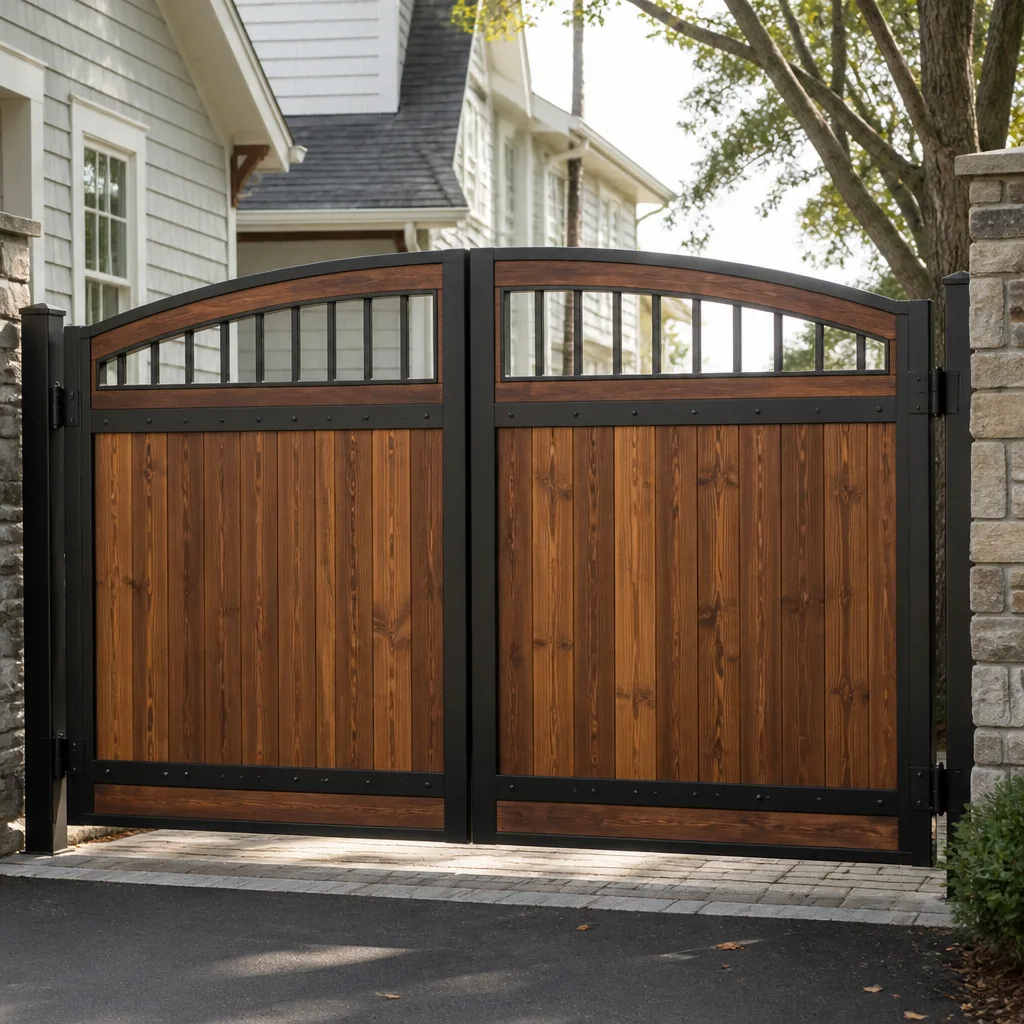 Wood & steel frame
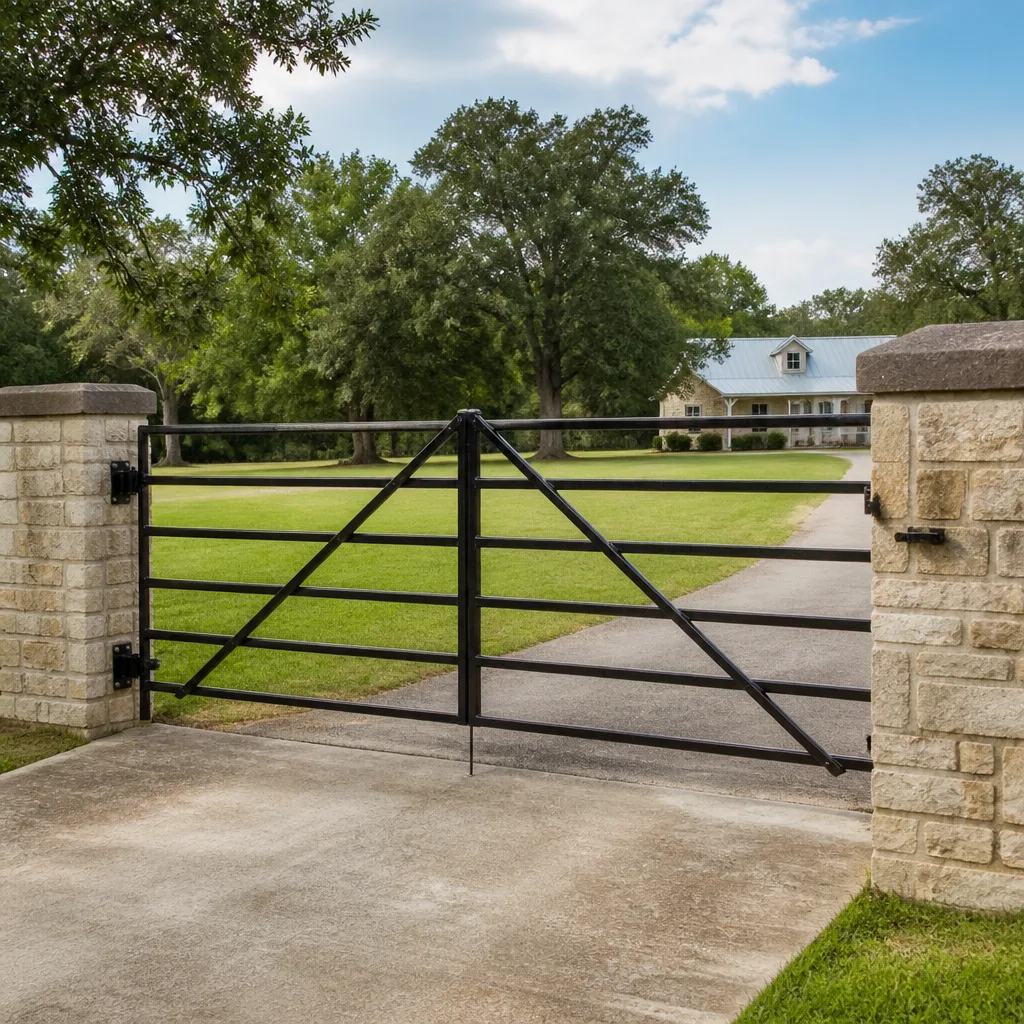 Farm & ranch
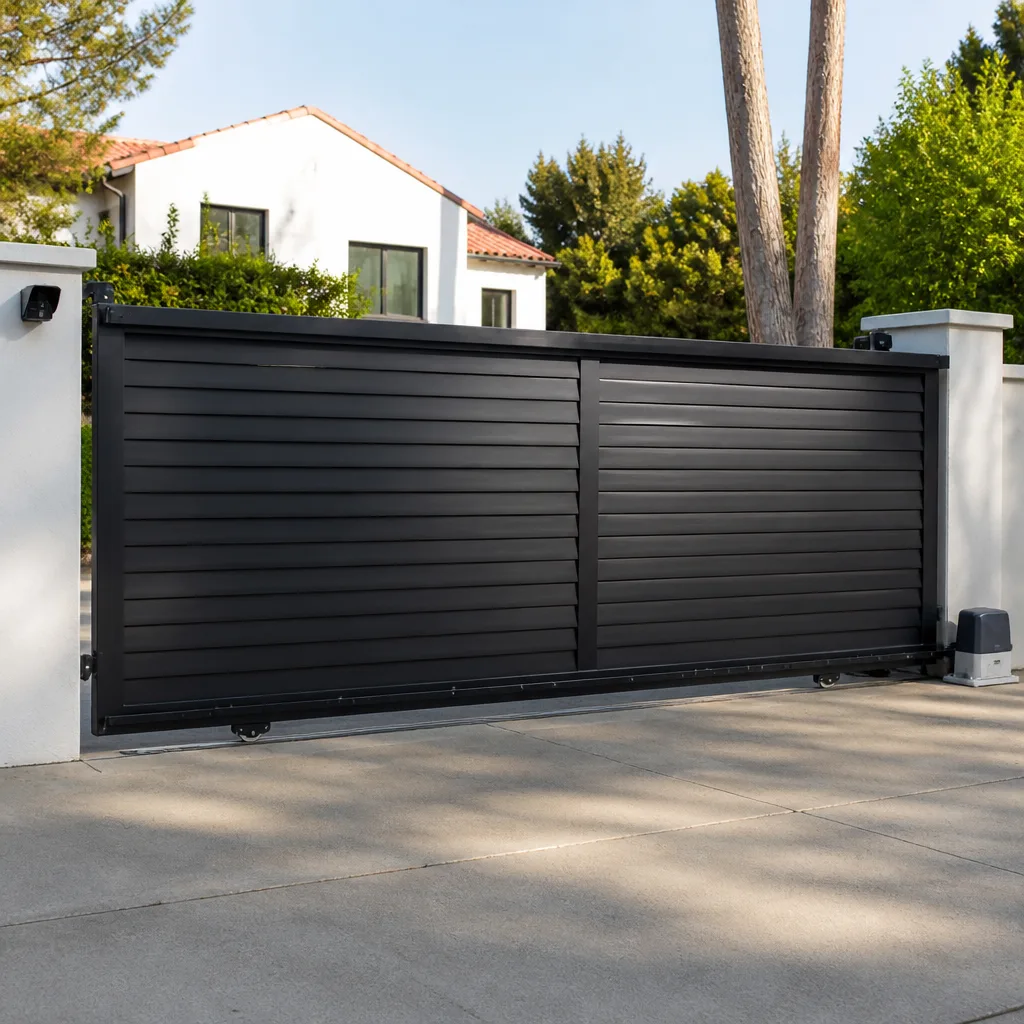 Sliding driveway gates
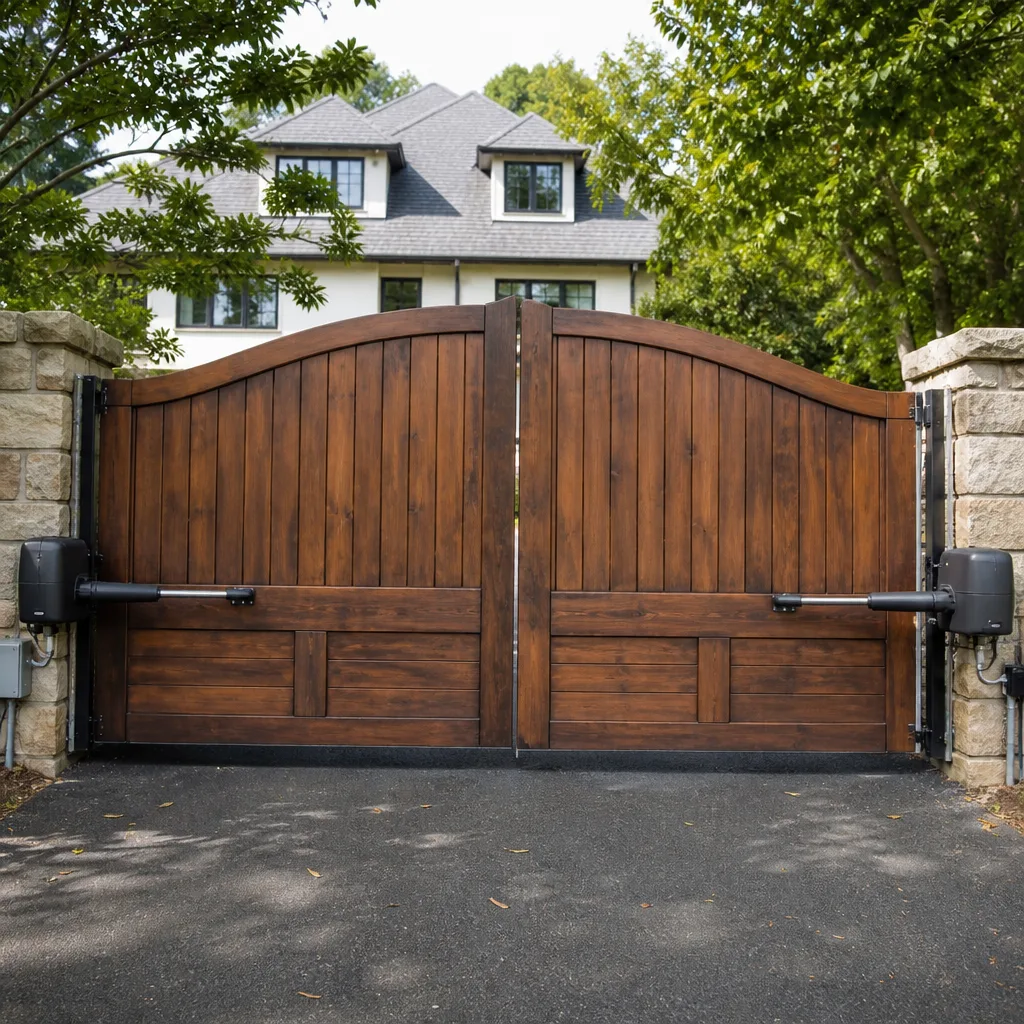 LiftMaster operators
Free on-site gate assessment - hinges, posts, and your LiftMaster or Nice gate operator checked before anything is quoted
The assessment is free and the quote is the invoice.
Get your free estimateGate Repair Emergency Preparedness Guide for Killeen Homes
Your gate operator has a manual release. Can you find it in the dark, in the rain, in 30 seconds? If the answer is “maybe,” that’s the emergency preparedness problem to solve before anything else. Most Killeen homeowners never touch their release lever until the morning the gate won’t open, and by then they’re guessing at the mechanism with a flashlight. A stuck closed gate can block an ambulance just as easily as it blocks you. This guide walks through how a Killeen gate actually behaves in an outage, how the release differs by brand, how to test a battery backup you’ve never tested, and how to get the system safely back to automatic mode afterward.
Quick Answer
If your gate is stuck closed in Killeen, locate the manual release on your operator (usually a lever, key, or pull cord on the housing), disengage the operator using the process for your specific brand, and push the gate clear by hand. Then confirm the backup battery is holding charge and schedule a professional check before returning the gate to automatic mode. The release on a LiftMaster is not the same as the release on a DoorKing, and treating them as interchangeable is how gate arms and operator parts get bent.
Styles & brands we work with
- Wrought iron
- Wood & steel frame
- Farm & ranch
- Sliding driveway gates
- LiftMaster operators
Table of Contents
- How do you manually release a gate operator in Killeen?
- Why the release procedure differs by brand
- How do you test gate battery backup before you need it?
- Emergency access protocol for gated properties
- The Killeen power outage playbook
- The post-emergency inspection checklist
- Building a household gate preparedness plan
How do you manually release a gate operator in Killeen?
You manually release most residential gate operators by flipping a release lever, turning a keyed release, or pulling a cord on the operator housing, which disengages the drive gear and lets the gate swing or slide free by hand. The exact mechanism depends on your brand and model. Some releases require a physical key that ships with the operator, and if that key is lost, the release won’t work without a technician. This is one of the most common reasons a gate gets stuck fully closed in an emergency, and it’s entirely preventable.
Here’s the general sequence that applies to nearly every automatic gate in Killeen:
- Find the release mechanism. Check the operator housing on a swing gate or the top rail on a slide gate. Read the label inside the housing cover if there is one.
- Identify the release type. Lever, keyed lock, or pull cord. Note which one so you can practice it later.
- Disengage the operator. Follow the release motion gently. If it resists, stop and check for a lock or secondary latch.
- Move the gate by hand. A swing gate should push open with steady pressure. A slide gate should roll along its track. If it binds, inspect for track debris.
- Prop the gate open if you need it to stay open, and keep the operator disengaged until you’re ready to reset.
If you can’t find the release or the mechanism won’t move, that’s the moment to call for gate repair rather than force it. Gate panels are heavy, and an operator that’s been jammed can crack a control board if the drive is forced back into gear.
Why the release procedure differs by brand
Gate operators from different brands use different release mechanics, and the process on a LiftMaster swing operator is not the process on a DoorKing slide operator. We work on nine major systems, and the technicians diagnose by brand logic rather than guessing. That matters in an emergency because guessing at the release can bend the drive gear or snap a release cable.
A quick rundown of how the release families break down:
- LiftMaster. Most residential LiftMaster swing operators use a keyed release or a lever on the housing cover. Some models require you to remove the cover to access the manual override.
- DoorKing. DoorKing operators, common on commercial and gated-community entries, often use a specific keyed release and a chain or crank for slide gates. The release sequence is different from residential swing units.
- Viking. Viking swing and slide operators frequently use a mechanical release lever on the side of the housing with a pull-and-rotate motion.
- Ghost Controls. Ghost Controls residential operators usually have a release key or lever built into the housing with a straightforward flip motion, but the reset sequence when returning to automatic matters.
- Mighty Mule. Mighty Mule residential swing operators use a release key on most models, and the reset requires re-engaging the drive before the arm cycles.
- Elite. Elite slide and swing operators typically use a manual release with a lever or keyed mechanism, and the reset is brand-specific.
The key point: don’t assume your neighbor’s procedure works on your gate. Find the label on your operator, note the brand, and reach out to Gate Repair Killeen if you’re not sure which release family you have. A short call settles it before you need it in an outage.
How do you test gate battery backup before you need it?
You test gate battery backup by cutting power to the operator at the breaker (with the gate closed and the drive engaged) and observing whether the gate still cycles open and closed on battery alone. If it moves, the backup is live. If nothing happens, the battery is dead, disconnected, or the operator doesn’t have a backup module at all. Testing takes under five minutes and tells you more than any label on the housing.
Not every operator ships with battery backup. Some brands include it as standard, and some require an add-on module. Here’s how to know what you have:
- Operators that commonly include backup: many Ghost Controls residential swing and slide units, and certain Elite and Viking models, come with an integrated battery backup as standard.
- Operators that typically require an add-on: many LiftMaster and Mighty Mule residential operators need a separate backup module or a wired battery kit to run during an outage.
- Commercial DoorKing units: backup depends on the model and the installation. Some have it, some don’t. Read the spec plate on the operator or call a technician to confirm.
Testing is the same regardless of brand. Trip the breaker, watch the gate cycle, and restore power. If the gate has to be hand-released between the two, the battery backup isn’t working. Battery life in a Killeen summer heat and a mild winter varies by battery age and cycle count; most backup batteries run a gate for a limited number of full cycles, not for days. Reach out for electric gate repair if the test fails or the operator cycles sluggishly on battery.
Emergency access protocol for gated properties
If your property has a single entry gate and you own it, emergency responders generally need a way in that doesn’t depend on you answering a phone. Fire and EMS in Killeen can’t wait at a closed gate if there’s an active emergency, and the response is often to force the gate, which can damage the operator and the gate. Building a simple protocol avoids that outcome.
Here’s what to set up before you need it:
- Register with your local fire department. Many Texas fire departments maintain a gate-access registry or a Knox-style key box program for gated properties. Call your local station’s non-emergency number and ask how they want access handled.
- Give your HOA a current gate access plan. If you live in a gated community around Killeen, your HOA board should have written documentation of how the gate releases manually, who has the release key, and how to reach the gate technician.
- Post a release key or code in a secure location known to emergency contacts. A lockbox inside the property line, accessible to a trusted neighbor or family member, can save the gate from being forced.
- Update your emergency contact list. Make sure the person who can release your gate is reachable and knows the procedure, not just the phone number.
- Keep a written procedure on the property. One laminated page inside the operator housing or at the front door explaining the release step is the difference between a fast entry and a forced one.
The Killeen power outage playbook
Killeen sits on the ERCOT grid, and Central Texas has seen grid stress during both summer peak demand and winter storm events. That means an extended outage on your gate is not a theoretical scenario. It’s a realistic one, and it’s the reason the battery backup test matters more here than in a lot of places.
When the power goes out, here’s how to work through it:
- Check the gate within the first five minutes. Is it open, closed, or partially cycled? A gate stuck mid-travel blocks traffic and can damage the operator if it’s still trying to drive.
- Listen for the operator. If you hear the motor trying to run with no movement, the drive is jammed. Disengage the manual release before anything else.
- Confirm the battery backup engaged. If the gate cycled on battery, you have a limited number of cycles left. Use them only when necessary.
- Plan for the battery to exhaust. Backup batteries in residential operators typically last a limited cycle count, not the full outage. When the gate stops responding, release it manually and prop it open.
- Leave the gate disengaged until power returns. Re-engaging a gate with an exhausted battery just drains what’s left and can leave you with a gate stuck mid-cycle when power returns.
When the power comes back, don’t immediately cycle the gate repeatedly. Let the operator charge the battery first, then test one cycle. If the gate creeps, reverses, or cycles slower than usual, that’s a signal to have a technician look at the battery and control board before the next outage. In our experience working on Killeen gates, the operators that survive grid events best are the ones whose owners tested the backup before the storm.
The post-emergency inspection checklist
After any forced manual operation, storm event, or extended power loss, inspect the gate and operator before returning to automatic mode. Skipping this step is how small issues become expensive ones. The gate may look fine and still have a damaged limit switch, a bent release arm, or a battery that never recovers from a deep drain.
Run through this checklist every time:
- Check the gate panel alignment. A gate that was forced open or pushed by hand can shift on its hinges or slide off the track. Watch the gate as it travels in both directions.
- Inspect the release mechanism. Confirm the release lever or key turns smoothly, and that re-engagement is clean. If it feels stiff, don’t force it.
- Test the safety edges and loop detectors. With the gate disengaged and power on, run the gate slowly. Wave your hand in front of the safety eye on the free end and see if the gate reverses. Loop detectors should trigger and hold the gate open when a vehicle is present.
- Verify the control board power LED. Look for the status LED on the board. If it’s dark or flashing an error code, the board needs a professional diagnosis.
- Check the battery voltage if you have a multimeter. A backup battery that doesn’t hold charge after a deep drain needs replacement, not a top-off.
- Look at the physical gate hardware. Hinges, rollers, tracks, and the operator arm all take stress during a manual operation. Anything bent, loose, or missing should be flagged before the gate goes back to automatic.
- Cycle the gate three times before you trust it. If any cycle hesitates, reverses unexpectedly, or triggers a safety reversal with no obstruction, keep the gate on manual until a technician checks it.
A damaged control board, a failed operator, or a stuck gate after a storm is what gate repair is for. Diagnose first, replace only when necessary. Most of what fails after a power event can be repaired rather than replaced, and we work on your brand rather than around it.
Building a household gate preparedness plan
A gate preparedness plan is a one-page document you keep with your other emergency paperwork that tells any adult on your property how to release the gate, where the release key is stored, and who to call if it won’t release. It takes thirty minutes to create and saves hours in an outage or emergency.
Here’s what should go on it:
- The gate brand and model. Note it from the operator label. If you have a Ghost Controls, Elite, or DoorKing, write that down. “It’s a gate” is not enough for a technician or an emergency responder to help.
- The release procedure for your brand. Write the steps out in plain language and have every adult in the household walk through them once with the gate disengaged.
- Where the release key or code lives. Lockbox location, combination, and who else knows it.
- The battery backup status. Tested date and test result. Update it every few months.
- The phone number for gate service. Keep it with the plan. Call (866) 722-0161. We answer 24/7. Fast dispatch from 7am to 7pm, Sunday through Friday.
- The emergency access plan. Whether your fire department has a gate registry, whether your HOA has your release procedure documented, and who to call if the gate won’t open for EMS.
Our technicians have up to 13 years of experience and can walk through the release on any of the major brands we work on. If a preparedness walkthrough is what you need, we’ll do it as part of a service call, and diagnose your existing system rather than pushing a replacement.
Common Mistakes to Avoid
- Forcing the gate when the release won’t move. A stuck release means something is locked or jammed. Forcing it can snap the release arm and crack the operator housing. Stop and call a technician.
- Assuming the battery backup will last the whole outage. Backup batteries run a limited cycle count, not days. Killeen grid events can stretch past a battery’s capacity, so plan for manual release as the fallback.
- Skipping the post-outage inspection. The gate looks fine, the operator fires up, and two weeks later the control board fails from the stress. Always run the checklist.
- Treating all gate brands as the same release. A LiftMaster release is not a DoorKing release and a Mighty Mule release is not a Ghost Controls release. Learn your specific brand.
- Not registering the gate with your fire department. Killeen-area fire and EMS often have no way to enter a gated property without forcing the gate. Fix that before you need it.
- Losing the release key. If the keyed release is your only manual entry and the key is missing, you have no manual release. Get a replacement key made and store it securely.
- Repeatedly cycling the gate during an outage. Every cycle drains the backup battery. Cycle only when you actually need to enter or exit.
See the difference
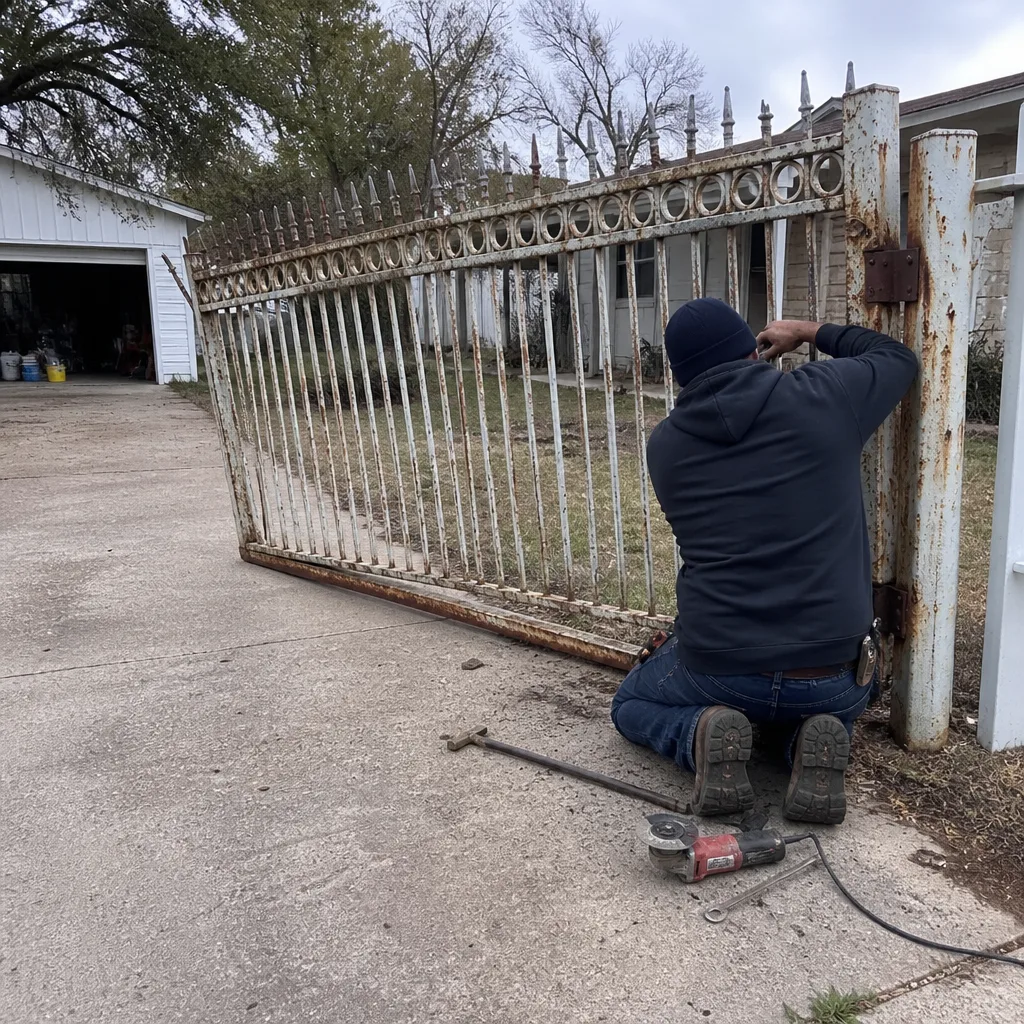 Before
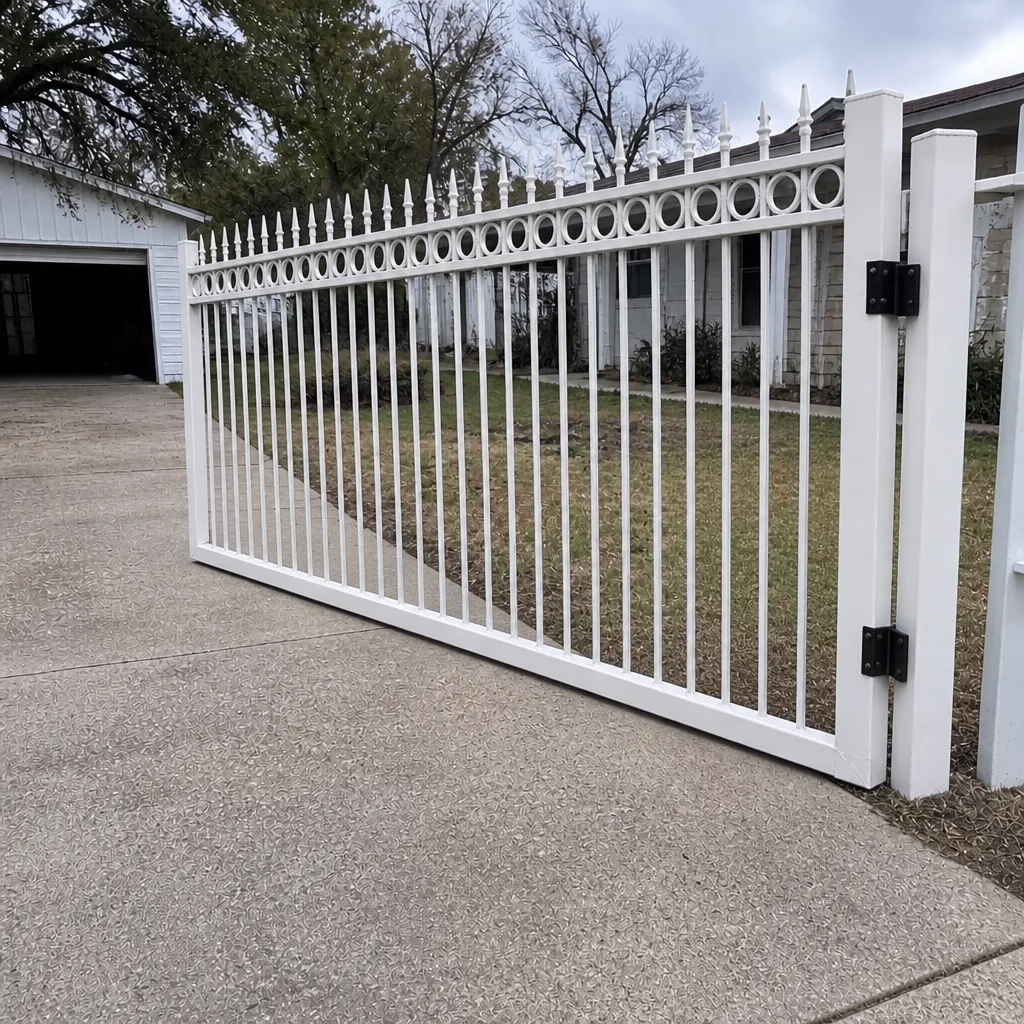 After
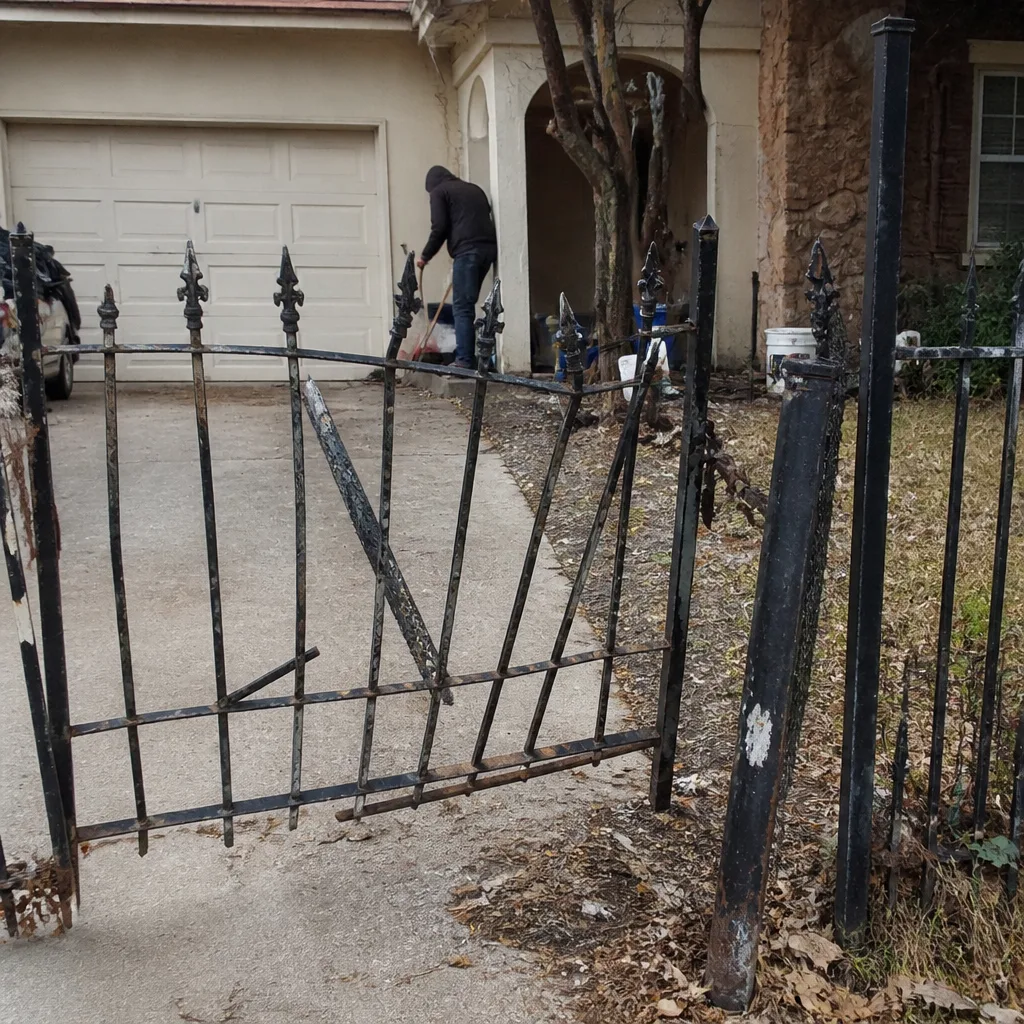 Before
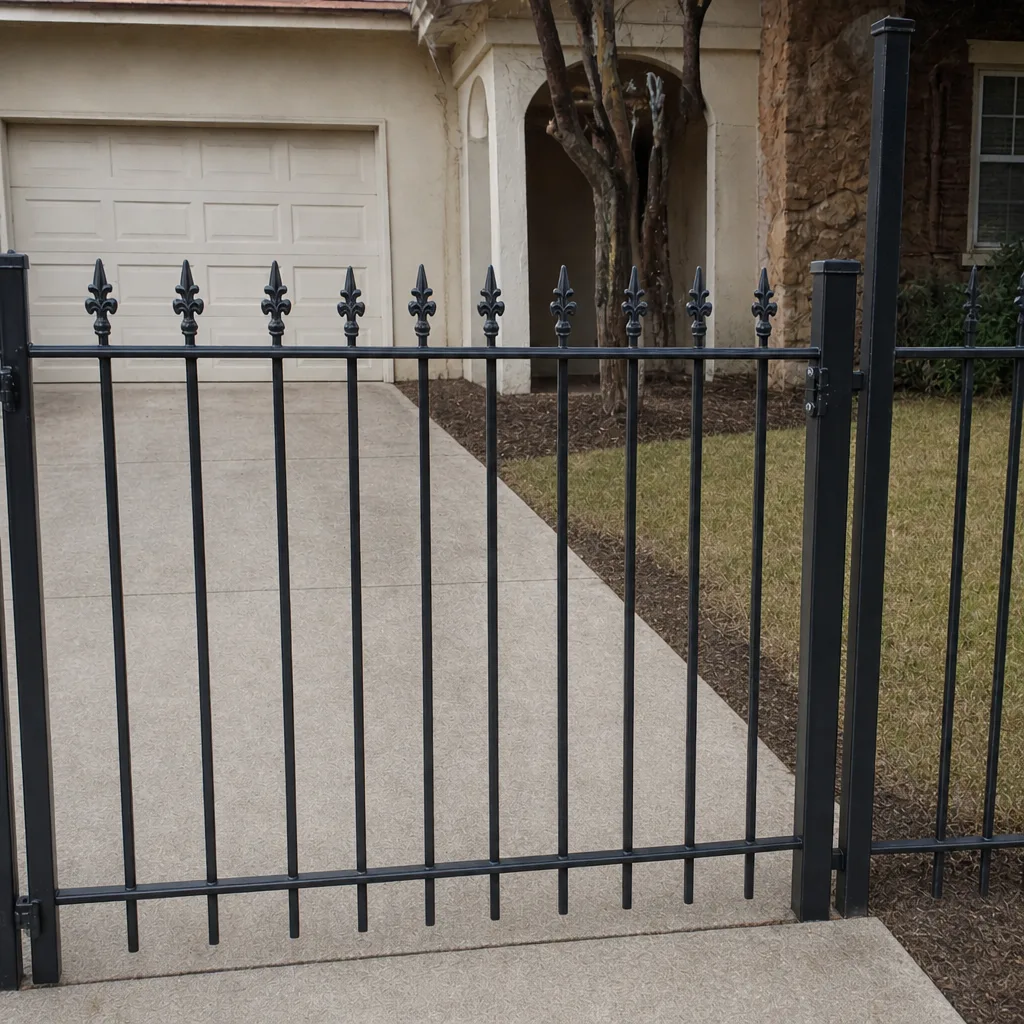 After
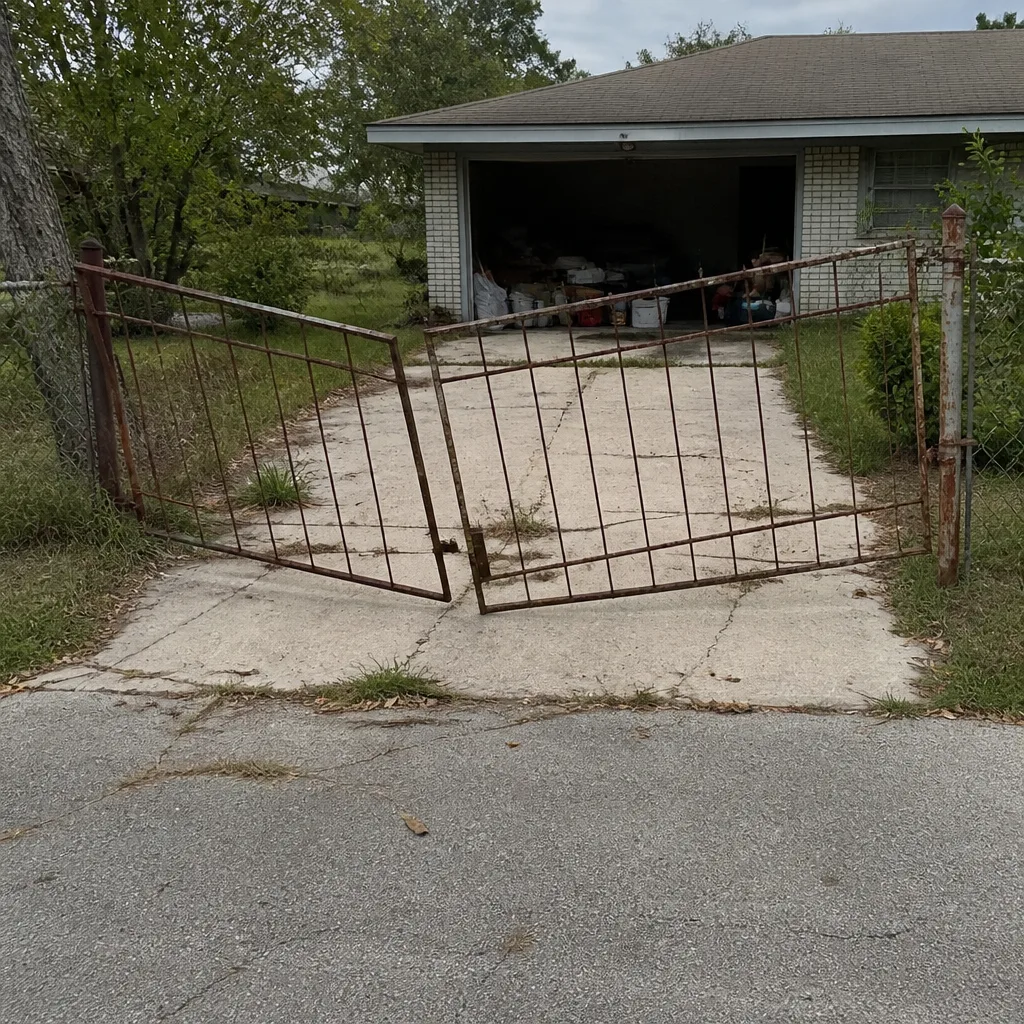 Before
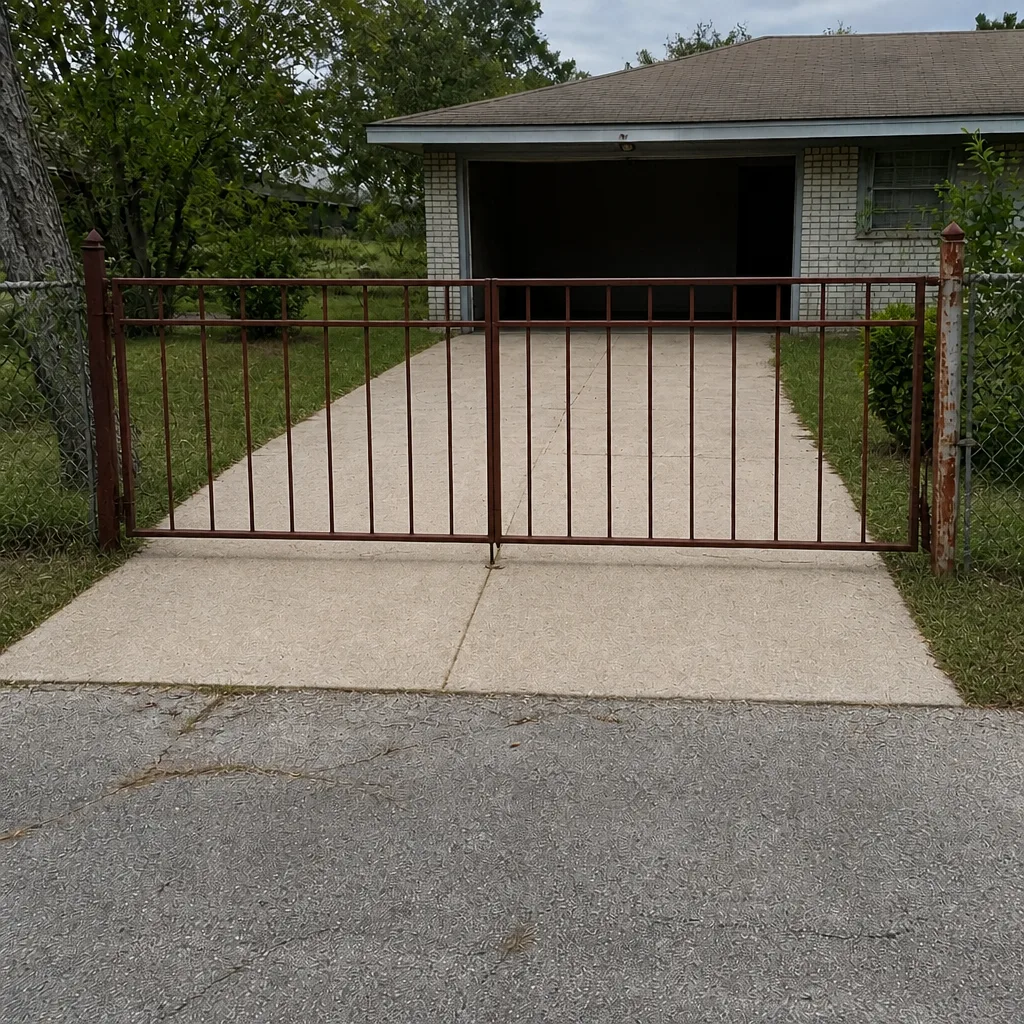 After
When to Call a Professional
Call a professional when the release mechanism won’t move, the gate is stuck mid-travel, the operator fires but the gate doesn’t move, the control board shows error codes, or the battery backup fails a test. Also call when the release key is missing on a keyed operator, when the gate has been forced by hand or by emergency responders, or when the gate cycles on its own after a power restoration. Those are all signals that a technician needs to open the operator and check the drive, the board, and the safety devices.
Gate Repair Killeen offers free estimates in Killeen – call (866) 722-0161. We answer 24/7. Fast dispatch from 7am to 7pm, Sunday through Friday. We only work on gates, and we diagnose before we replace.
Frequently Asked Questions
Release the operator manually using your brand’s specific release procedure, push the gate open by hand, and prop it if it won’t stay. Then test the backup battery and call (866) 722-0161 if the release won’t work – estimates are free.
The manual release is usually a lever, keyed lock, or pull cord on the operator housing on a swing gate, or on the top rail on a slide gate. Read the inside of the housing cover for a diagram, or call us if you can’t find it on your DoorKing, LiftMaster, or Ghost Controls unit.
No. Some operators include battery backup as standard and some require an add-on module. Test it by tripping the breaker and watching whether the gate still cycles. If it doesn’t, your backup is either dead, disconnected, or missing.
It depends on the battery age, the operator, and the number of cycles, but backup batteries typically run a limited cycle count rather than the full length of the outage. Plan for manual release as your fallback and avoid unnecessary cycles while the grid is down.
Often only by forcing the gate, unless you’ve registered with your local fire department and given them a documented access plan. Call your local fire station’s non-emergency number and ask about gate registry or key box options before you need it.
Run the post-emergency checklist: confirm the gate travels both directions smoothly, the safety edges trigger a reversal, the loop detector holds the gate, the control board LED is solid, and the release mechanism re-engages cleanly. If any of those fail, keep the gate on manual and call for service – we can diagnose your brand without pushing a replacement.
The Bottom Line
Emergency gate preparedness in Killeen comes down to four habits: know your brand and its release procedure, test the battery backup before the outage, register your gate with your fire department, and inspect the gate before returning it to automatic mode. None of those take long, and each one prevents a scenario where the gate blocks you or an ambulance. If anything fails a test, or the release won’t move, call a gate specialist early rather than forcing it. We work on gates only, on the brand you already own, and we diagnose before we replace. Call (866) 722-0161 for a free estimate.
Written by the team at Gate Repair Killeen.