
Last updated November 15, 2026
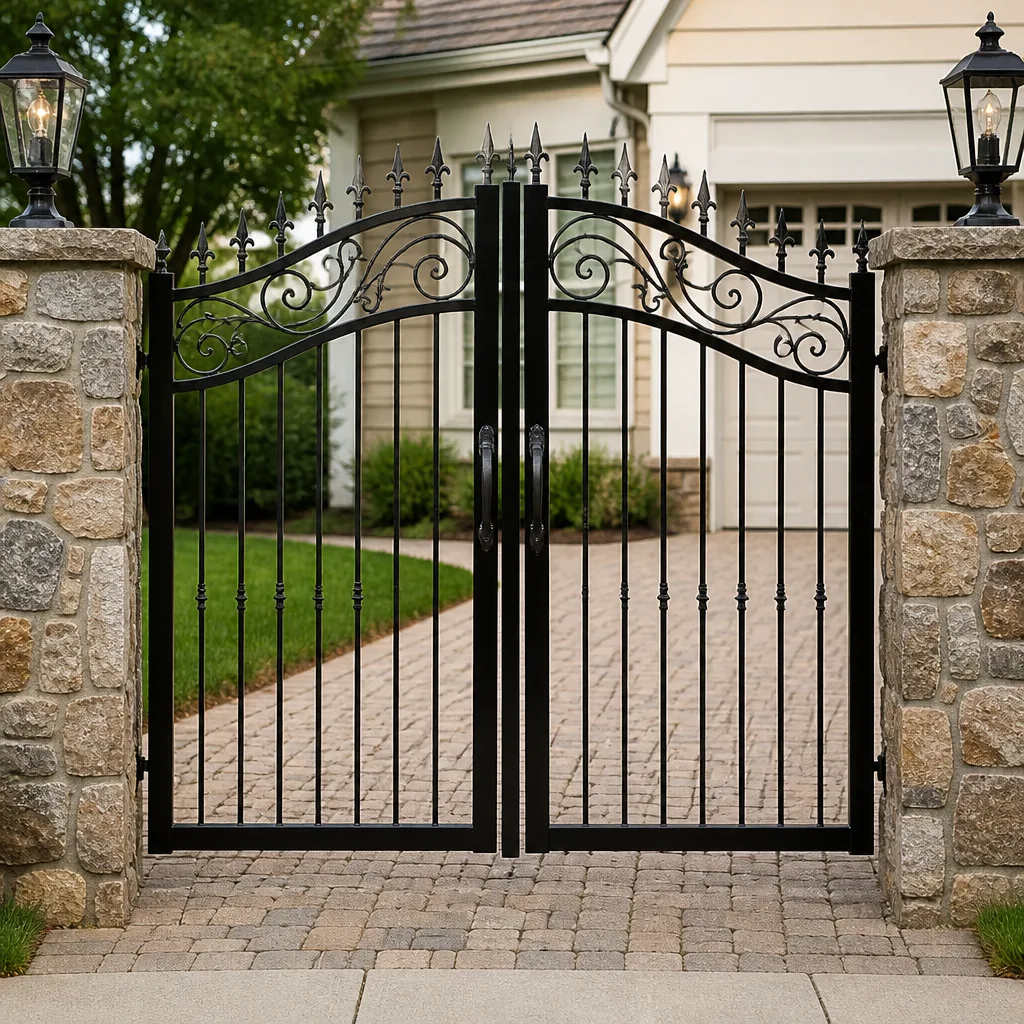 Wrought iron
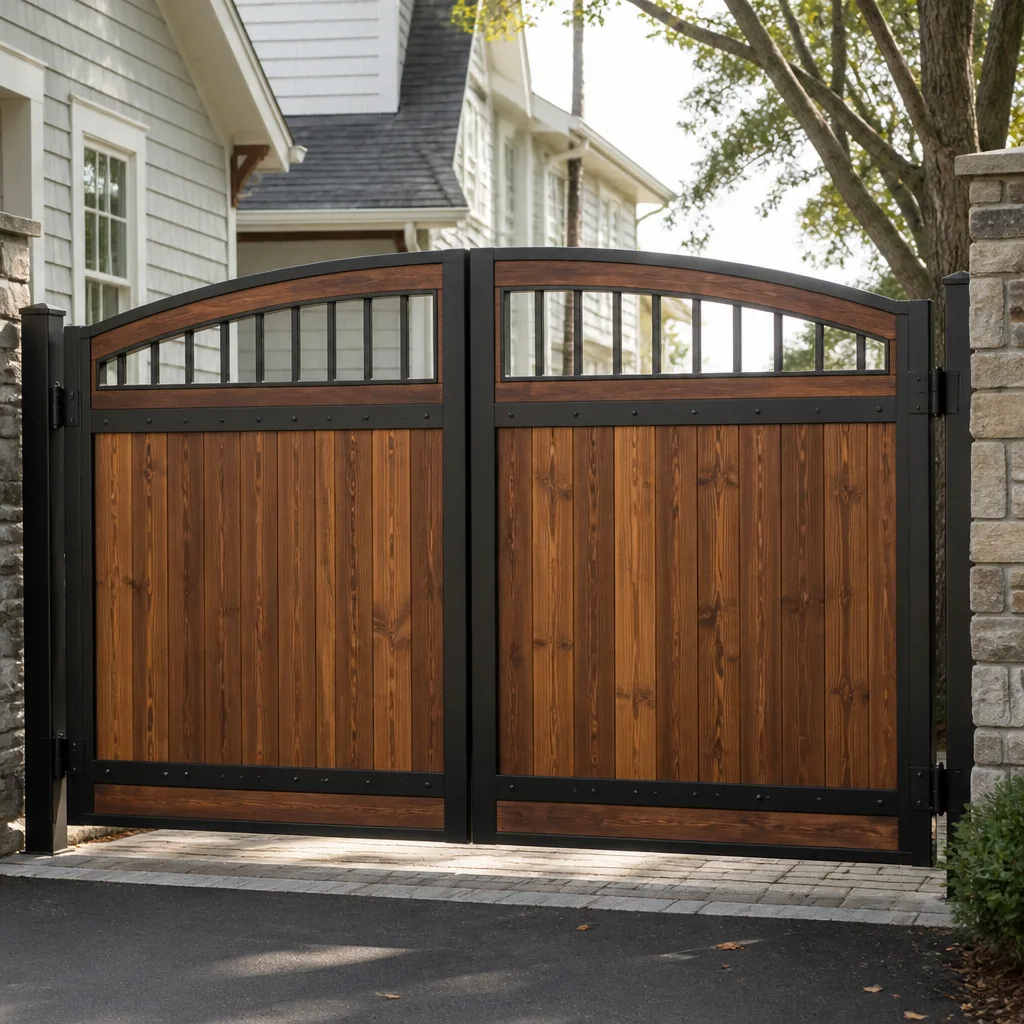 Wood & steel frame
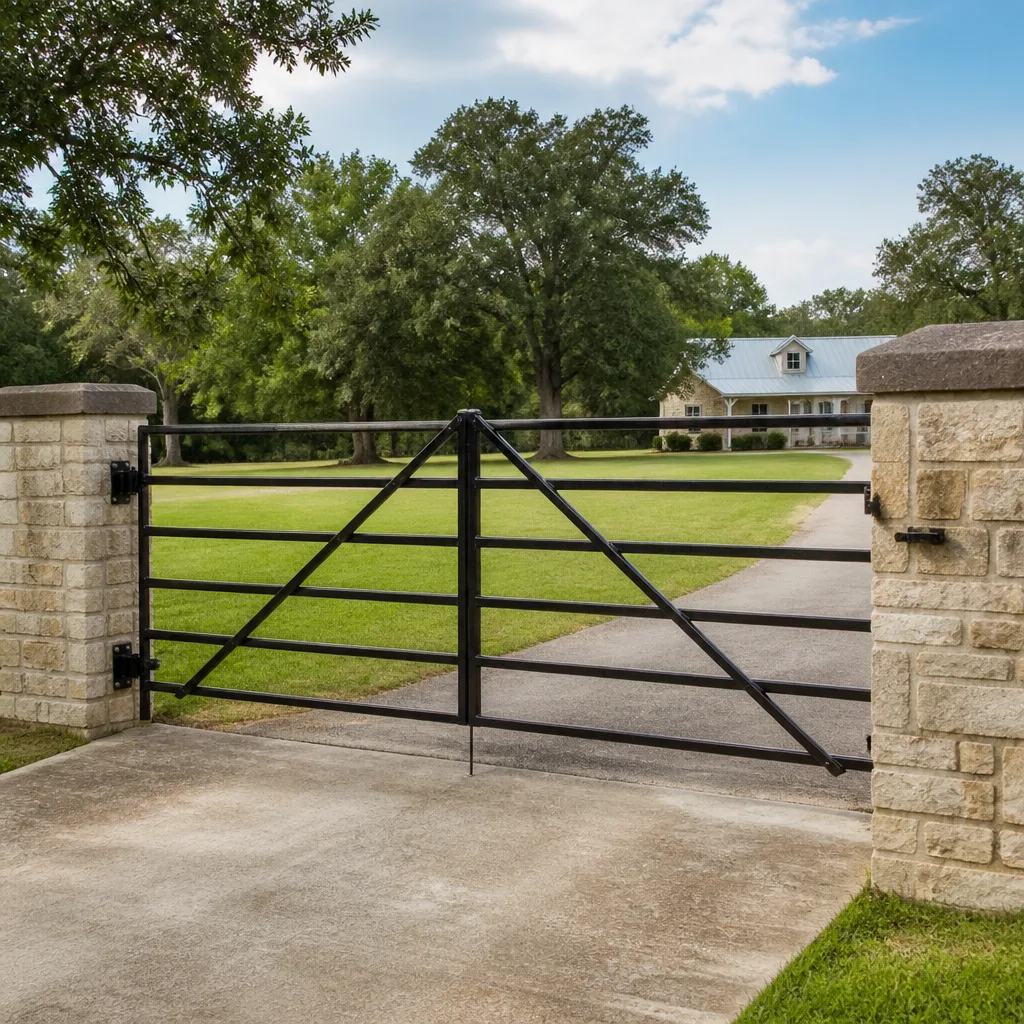 Farm & ranch
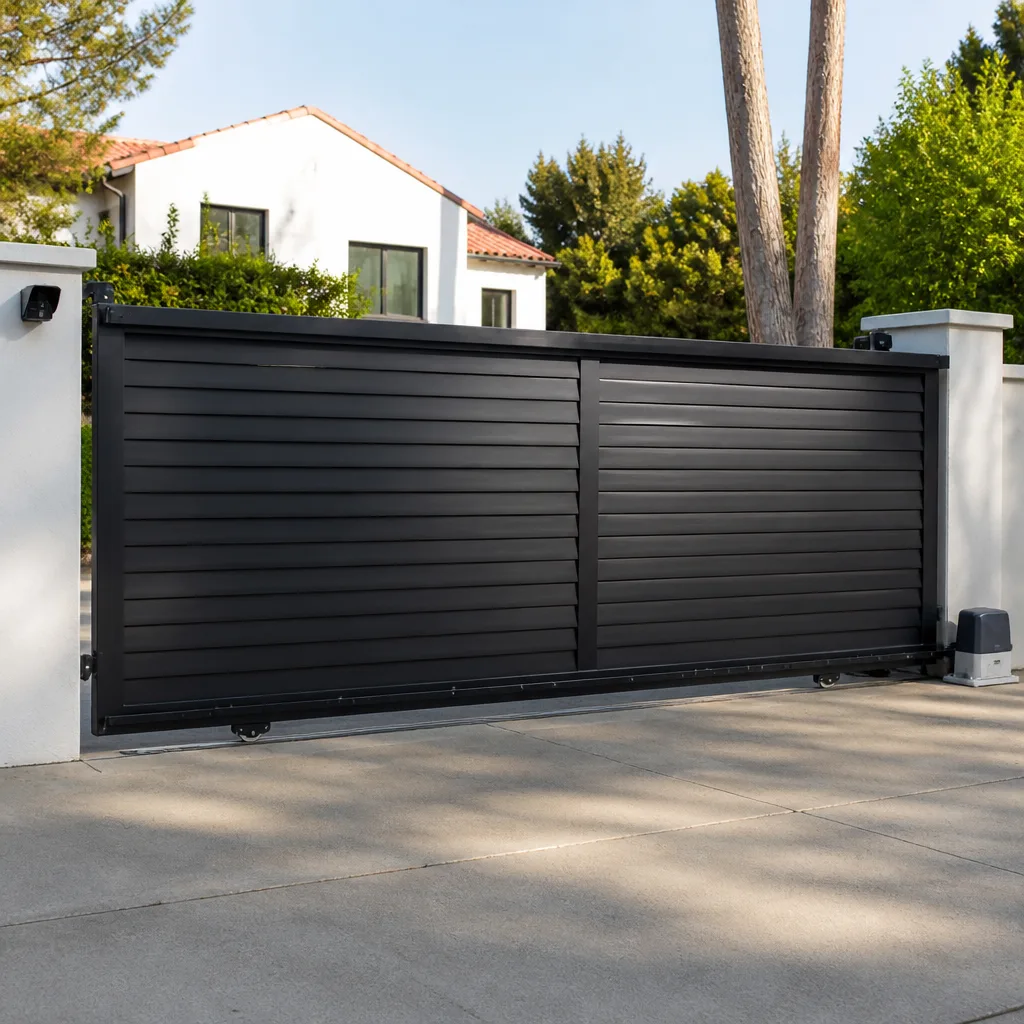 Sliding driveway gates
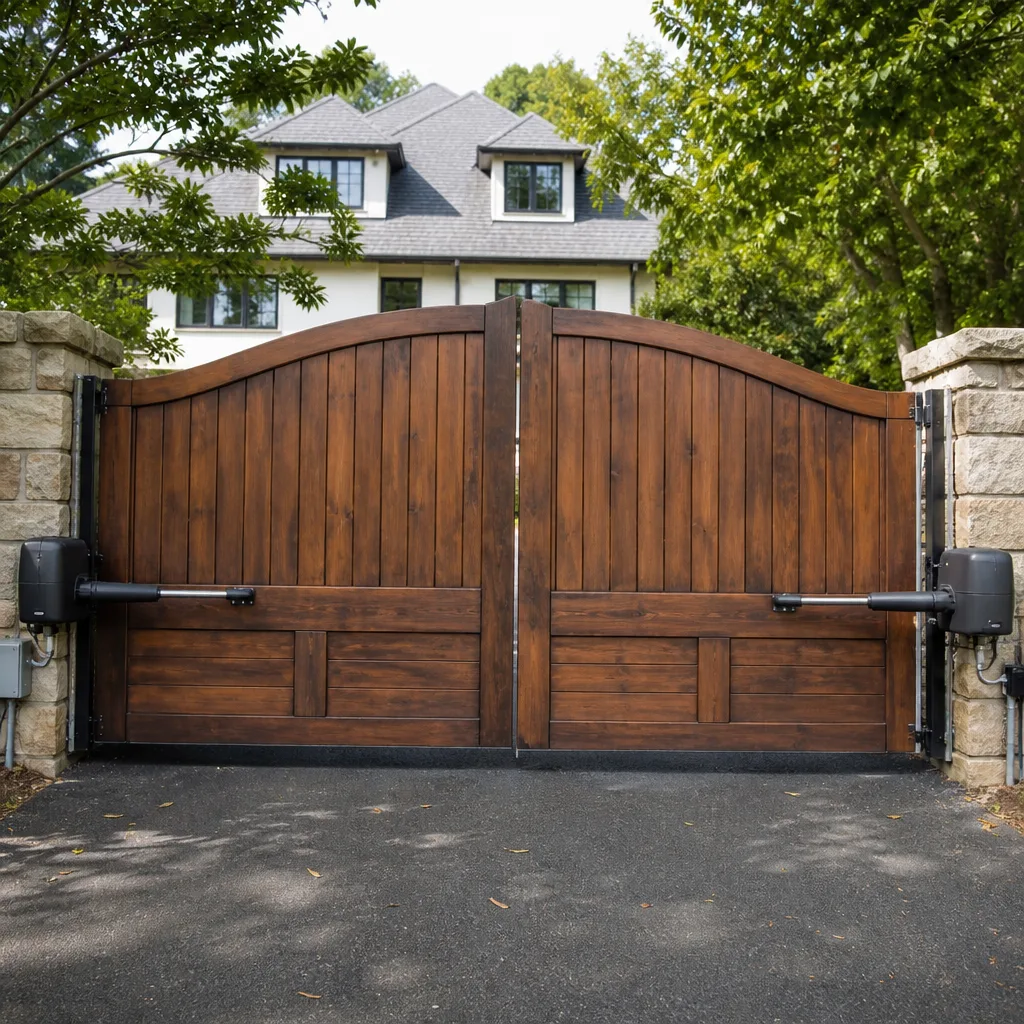 LiftMaster operators
Free on-site gate assessment - hinges, posts, and your LiftMaster or Nice gate operator checked before anything is quoted
The assessment is free and the quote is the invoice.
Get your free estimateGate Repair Cost Breakdown: The Killeen Homeowner’s Reference for 2026
Two quotes for the same broken driveway gate can land hundreds of dollars apart, and the gap usually has nothing to do with how much work the job takes. It comes down to where the part has to come from and how many visits it takes to finish the job. A contractor who has to order a control board for your Linear operator and wait for it to ship will bill you for the return trip. A specialist who deals in gates every day sees the same repair as one visit. That single variable almost never shows up in a quote until the invoice is already in front of you. This guide breaks down what gate repair actually costs in Killeen in 2026, where the money goes, and how to read a quote before you sign it.
Quick Answer
Gate repair in Killeen typically falls into five categories, and most residential jobs land somewhere between a simple hinge replacement at the low end and an operator or control board repair at the high end, with structural or weld work varying widely based on the gate itself. The final price depends on three things: what failed, whether the part has to be sourced, and which brand of operator you own. On automated gates, you can count on the written estimate being set before any work starts, not after.
Styles & brands we work with
- Wrought iron
- Wood & steel frame
- Farm & ranch
- Sliding driveway gates
- LiftMaster operators
Table of Contents
- What Drives the Cost of a Gate Repair in Killeen?
- The Five Most Common Repairs and What They Cost
- How Your Gate Brand Affects the Price
- The Parts-Sourcing Question Nobody Asks
- Service Call and Diagnostic Fees: What’s Normal
- Repair or Replace? A Framework
- Common Mistakes to Avoid
- When to Call a Professional
What Drives the Cost of a Gate Repair in Killeen?
Every gate repair bill breaks into four parts, and understanding them is what separates a homeowner who gets a fair price from one who pays for guesswork.
- Parts. A hinge, a receiver, a loop detector, a control board – each has its own price, and the price moves based on brand and availability.
- Labor hours. A straightforward swap is quick. Diagnosing a control board that’s failing intermittently can take as long as the repair itself.
- Diagnosis time. On electric gates especially, the first hour is often spent finding the actual fault rather than fixing it.
- Sourcing or travel for parts. This is the hidden line item. A part that has to be ordered adds time, and time is what gets billed on a second visit.
In Killeen, the market adds its own pressure. This is a city of established residential neighborhoods and small commercial lots, most of them with driveway gates that were installed years ago and are now hitting the age where operators and control boards start to fail. That means the repair volume here skews toward electric systems rather than simple manual hardware. Homeowners and property managers in Killeen aren’t usually dealing with a broken latch – they’re dealing with an operator that won’t respond, a safety loop that’s stopped detecting a car, or a control board that’s given up. Those are the jobs where the cost structure matters most, and where a specialist who works on gates every day has a real advantage over a generalist.
If you’re just starting to narrow down who to call, our Gate Repair Killeen page lays out the full scope of what we handle, but the pricing logic below is what you’ll want to understand first.
The Five Most Common Repairs and What They Cost
Here’s the part most pricing pages skip: they give a single range and call it a day. That range tells you nothing useful. What actually helps is knowing which repair you’re facing and roughly where the parts-and-labor split falls. The five categories below cover nearly every residential gate call we see in Killeen.
1. Hinge Replacement
Parts: modest – hinges are common hardware. Labor: low to moderate. What changes the price: a single worn hinge on a light gate is quick. A gate that’s been riding on a failing hinge for a while can distort the frame, which turns a hinge swap into an alignment job. That’s the variable that catches people off guard.
2. Operator or Motor Service
Parts: varies widely by brand. Labor: moderate. What changes the price: whether the operator needs a component (a receiver, a gear, a limit switch) or full replacement. Service and repair on an existing operator is almost always the cheaper path, which is why we lean toward diagnose-first, replace-only-when-necessary.
3. Control Board Replacement
Parts: the single biggest parts cost in this list, and the most brand-sensitive. Labor: moderate. What changes the price: whether the board is a current-production part or an older one that’s harder to source. This is where a generalist with no stock will order the board and bill you a second visit.
4. Loop Detector Repair
Parts: low to moderate. Labor: moderate to higher, because the loop is often buried in the driveway and the diagnostic work is the real cost. What changes the price: whether it’s the detector itself, the wiring, or the loop saw-cut in the pavement. Each is a different job.
5. Weld or Structural Repair
Parts: usually material and hardware. Labor: the highest and least predictable of the five, because it depends entirely on the gate. A cracked weld on a standard frame is straightforward. A sagging gate that’s pulling away from its posts needs assessment before anyone can quote it honestly.
Across all five, the pattern holds: parts and labor are separate, and the labor is dominated by whether the job finishes in one visit. Any quote you get that blends everything into one number without breaking it down is a quote you should ask questions about. If you want a straight read on electric-specific issues, our electric gate repair page covers the operator side in more depth.
How Your Gate Brand Affects the Price
The brand of your operator is the second-biggest lever on your repair bill after the type of failure, and it’s the one homeowners understand least.
The gap comes down to how widely a brand’s parts are distributed. Brands that are common in Killeen – Linear and Viking among them, plus Ghost Controls and DoorKing on the access-control side – tend to have parts that are easier to source, which keeps both the part price and the wait time down. A brand with a thinner local footprint means the part is ordered, the wait is longer, and the return visit shows up on your invoice.
Where the price gaps are largest:
- Control boards. This is the widest spread. A board for a widely distributed brand is a different cost bracket than a board for a less common system, and the labor to install is similar – so the parts difference is the whole difference.
- Receivers and remotes. Usually modest, but genuine vs. aftermarket parts make a difference in how long they last.
- Operators themselves. If repair isn’t viable and you’re looking at a new operator, brand choice directly sets the price – and a system your existing gate and wiring can support will cost less to install.
Here’s the practical point: a specialist doesn’t push you toward a brand because that’s the one they like to install. We work on your brand, not around it. Being familiar with Linear, Viking, DoorKing, Ghost Controls, and the other major systems means we diagnose by brand logic rather than swapping parts until something works. That’s the difference between a quote that reflects your actual system and one that reflects whatever the technician has on hand. If you’re in Killeen and your operator is a brand you’re worried nobody will recognize, that’s exactly the call worth making.
The Parts-Sourcing Question Nobody Asks
This is the variable behind the opening hook, and it deserves its own section because it’s where quotes diverge the most.
Picture two scenarios. In the first, a technician arrives, diagnoses a failed component, and has that component on hand. The job finishes in one visit. In the second, the same technician diagnoses the same failure, but the part has to be ordered. They leave, come back, and bill labor for both visits. The repair is identical. The invoice is not.
That’s why a specialist who works on gates constantly and keeps common parts available delivers a different bill than a generalist who treats gates as an afterthought. The generalist isn’t necessarily overcharging on the labor rate – they’re billing twice because the job genuinely took two trips. The specialist does it in one.
What to ask before you book anyone:
- “Do you work on gates as your primary service, or is this a side job?” – If gates are the side job, the parts know-how and the stock usually aren’t there.
- “Will this be one visit or two?” – A direct question deserves a direct answer. If they can’t tell you, that’s information.
- “Is the part you’re quoting a current-production part?” – Older parts can be harder to source, which changes both cost and timeline.
- “Do you know my brand?” – Not all technicians know all systems. A technician familiar with DoorKing or Viking will diagnose it without trial-and-error swaps.
When you find someone who can answer all four cleanly, that’s usually a sign you’re dealing with a gate specialist who has the parts and the familiarity to finish the job once. Our gate repair service is built around exactly that expectation.
Service Call and Diagnostic Fees: What’s Normal
This is the area where Killeen homeowners get tripped up most, because the fee structures vary and the terminology is confusing.
What’s normal: an estimate before any work is agreed, and a clear written price for the repair. The honest structure is a free estimate and a written quote that locks in the price before a technician touches anything. That’s the standard we hold to.
What’s a red flag:
- A service-call fee that’s never explained. If you’re charged just to show up, you should know that before you book, not after.
- A diagnostic fee that isn’t stated up front, or that varies once they arrive. A fee should be a known quantity, not a surprise.
- A quote that changes after the part is in hand. The written estimate sets the final price. If the scope genuinely changes, you should be told why and asked before the extra work continues.
- Pushback when you ask whether diagnosis rolls into the repair. A fair business can answer that question plainly.
The test is simple: reputable businesses tell you the price structure before you commit. If you’re in Killeen and you’re unsure whether the quote you received is fair, the answer is usually to get a written estimate that separates parts and labor. That’s the one thing that makes a quote comparable. A free estimate gives you that clarity with no obligation, and it’s worth doing before you authorize any repair you don’t fully understand.
Repair or Replace? A Framework
There’s a point where repairing an operator costs more than it’s worth, and knowing where that line is keeps you from throwing money at a system that’s already near the end of its life. Use this three-part framework.
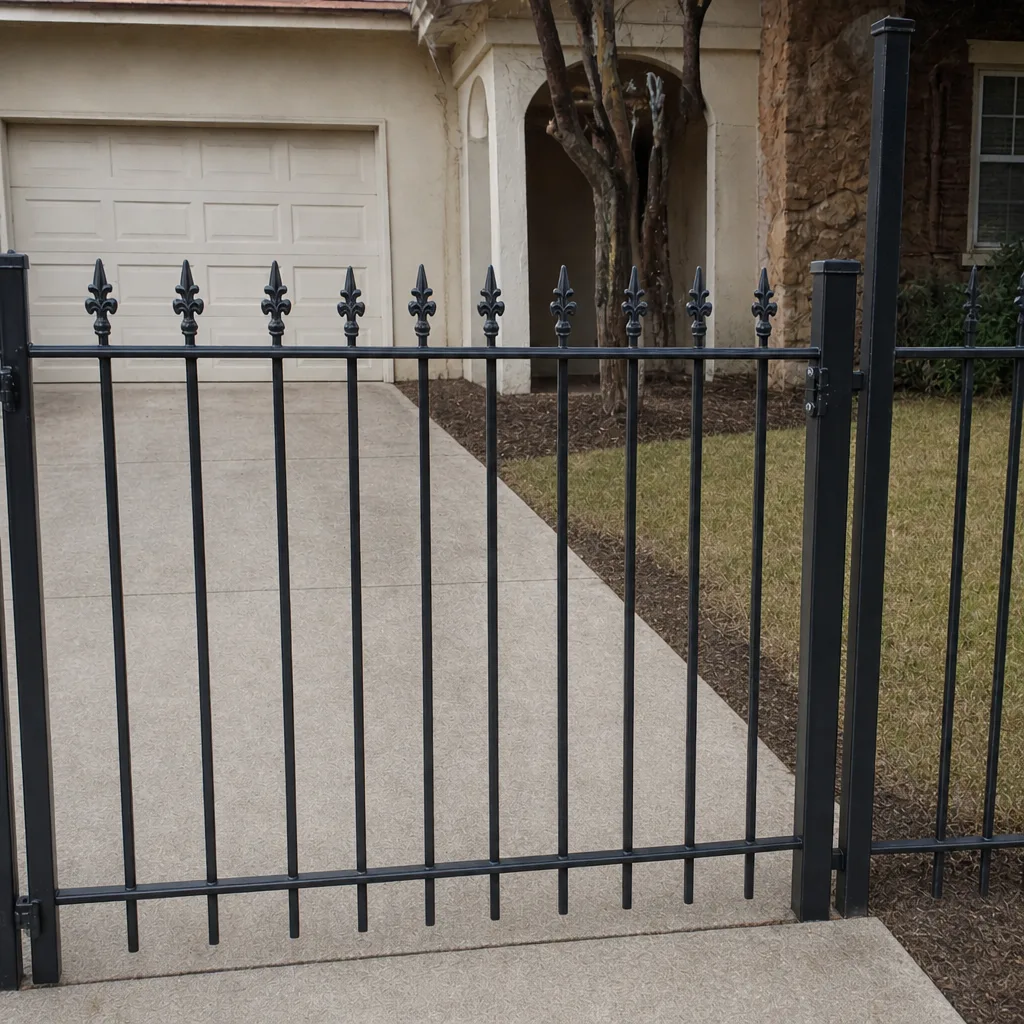
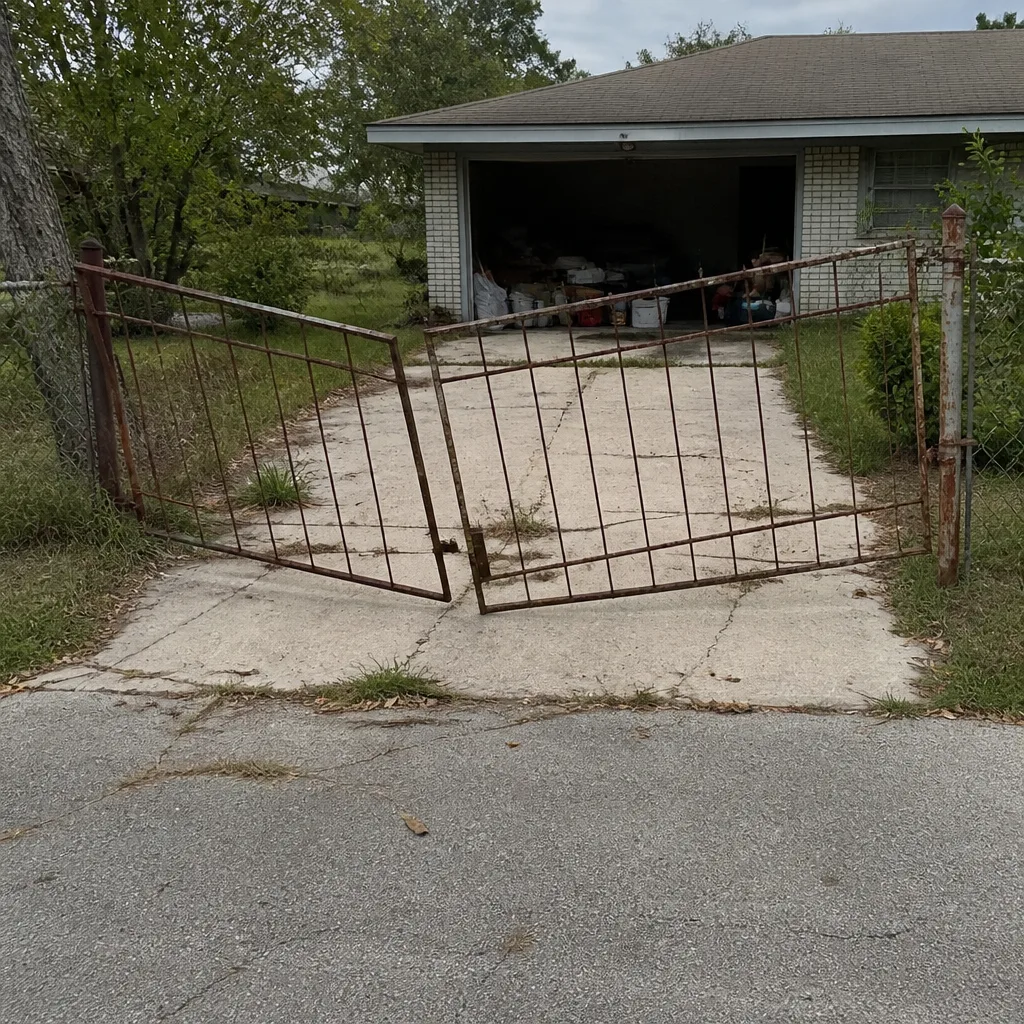
See the difference
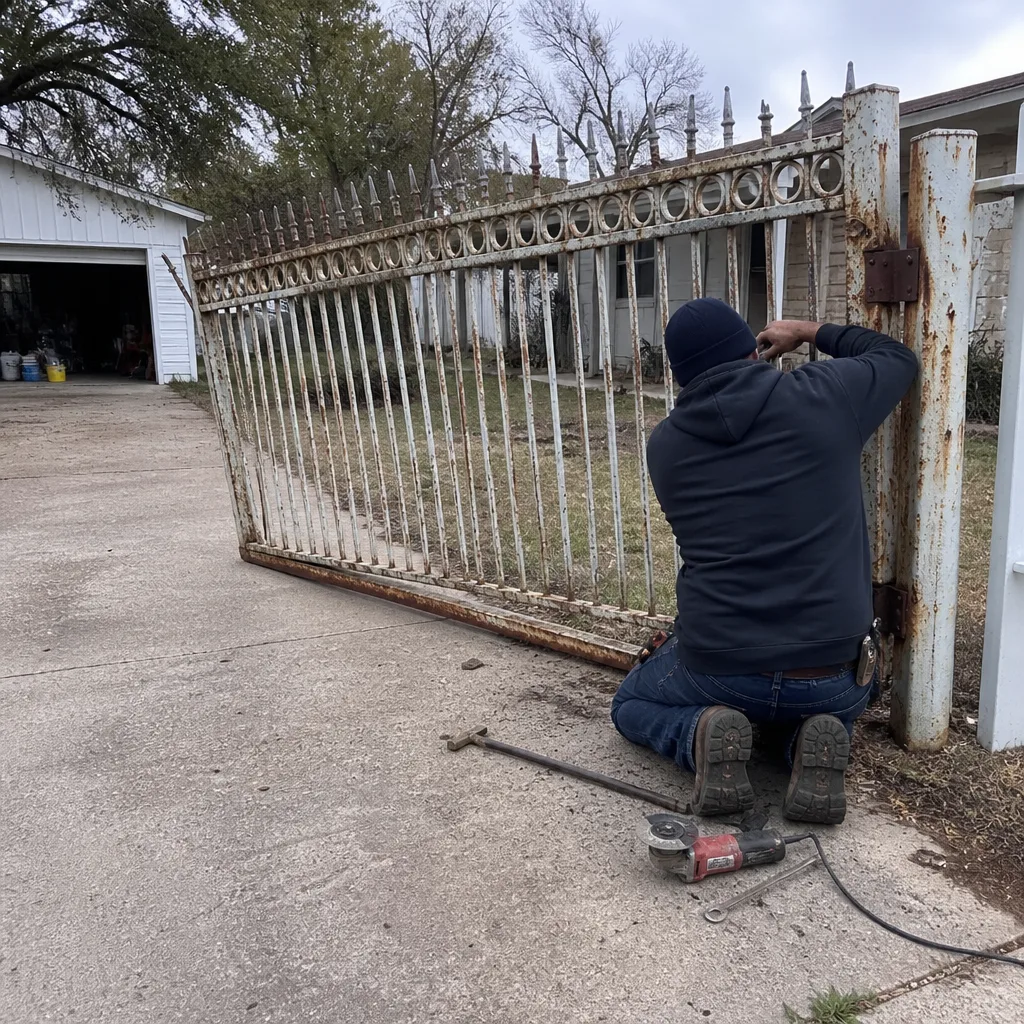 Before
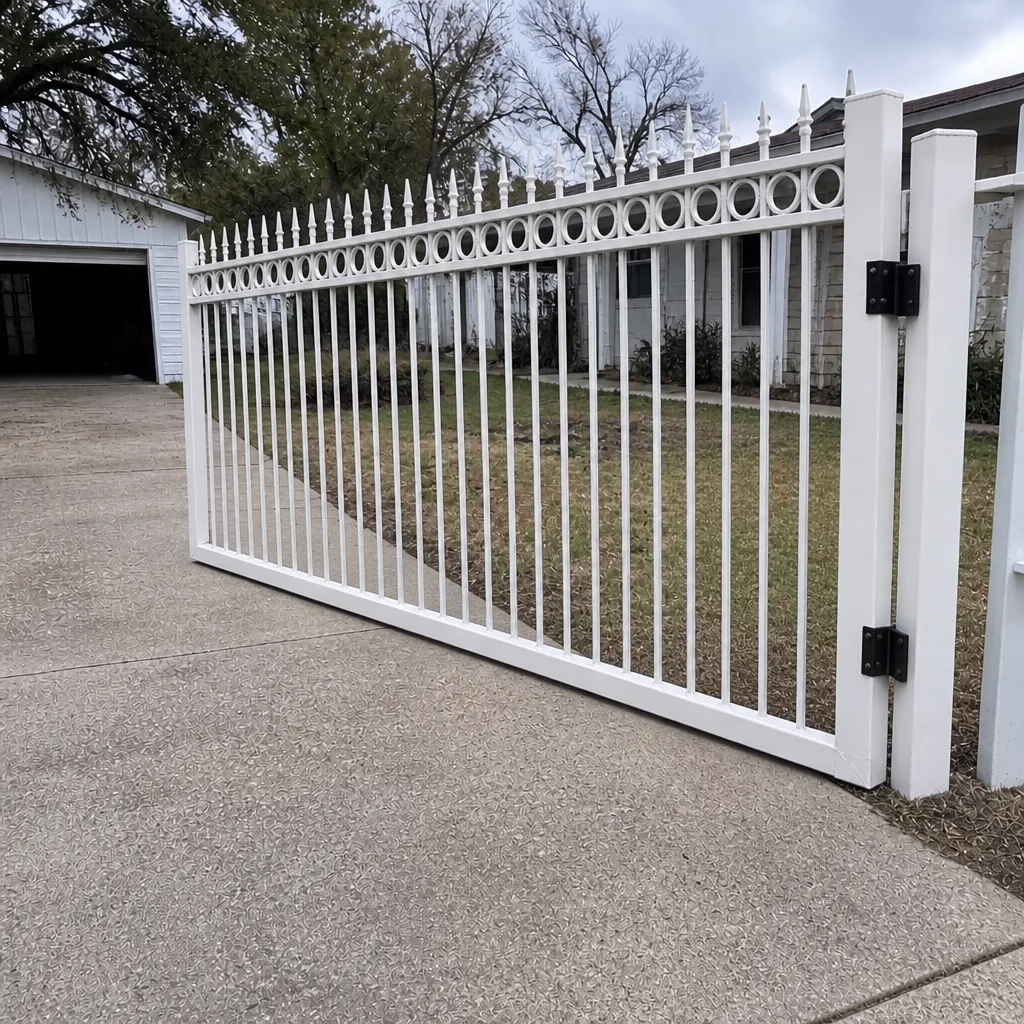 After
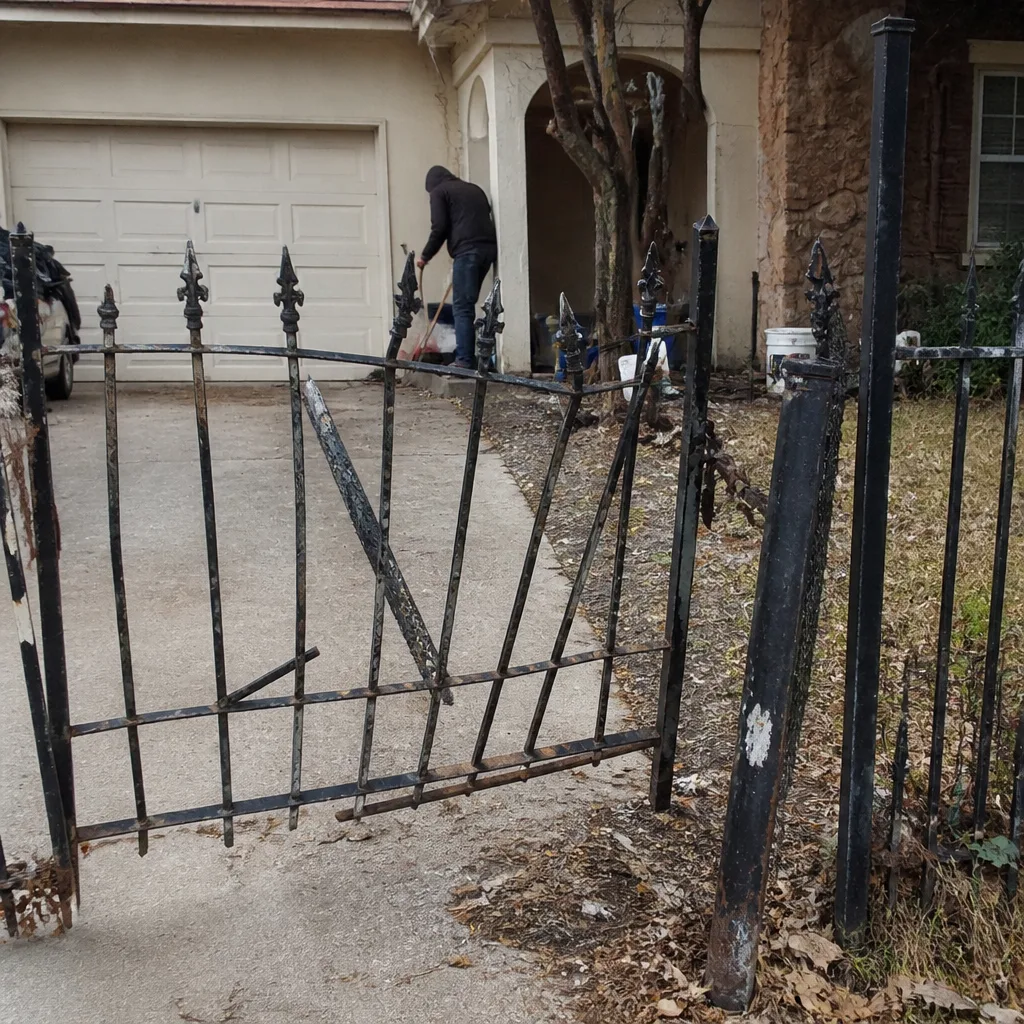 Before
 After
 Before
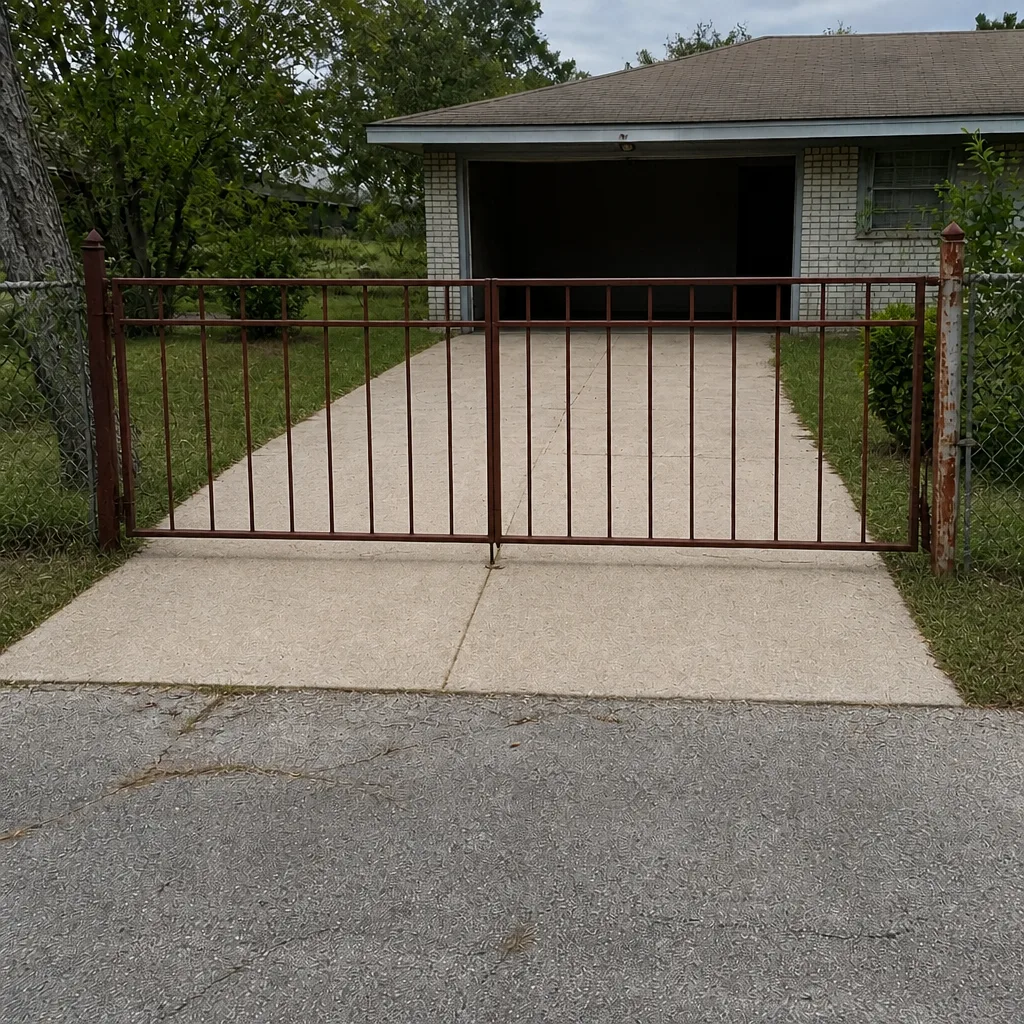 After
How do you know when to replace instead of repair?
You replace instead of repair when the repair cost approaches the price of a new system, when the operator is old enough that parts are hard to source, or when the failure is a repeat of one you’ve already paid to fix. Use the three checks below in order.
Check 1: Operator age and repair history
If the operator has been repaired multiple times for related issues, the pattern matters more than any single failure. A system that’s failing in different places is telling you something a system that fails once isn’t.
Check 2: Repair-to-replacement ratio
This is the financial test. When a repair’s estimated cost climbs toward what a new operator would set you back, the math starts to favor replacement – not because the repair isn’t possible, but because you’re pouring money into a system with a shrinking service life.
Check 3: System compatibility
If your existing gate, wiring, and access hardware are compatible with a replacement operator, the install is straightforward. If not, that changes the equation and should factor into the decision. A specialist will tell you which side of that line you’re on before you commit either way.
The honest position is diagnose first, replace only when necessary. Nobody should be selling you a new operator when a control board fix would do. But the reverse is also true – a repair-forward approach doesn’t mean repairing a system that’s genuinely at the end of its road. Get the assessment, and the answer usually becomes obvious.
Common Mistakes to Avoid
- Booking a generalist because they’re the first number that comes up. A handyman who treats gates as an afterthought won’t know your Linear or Viking operator, which means trial-and-error diagnosis on your dime and a second visit for the part.
- Accepting a quote that doesn’t separate parts from labor. If you can’t see the parts cost and the labor cost on their own lines, you can’t compare the quote to anything. Always ask for the breakdown.
- Paying to have a part ordered without asking how many visits it means. In Killeen, the difference between one visit and two is the difference between a fair bill and an inflated one, and it’s a perfectly reasonable question to ask before you commit.
- Ignoring a safety loop that’s acting up. The loop is part of what stops the gate for a car or a person. A loop that’s failing intermittently is a safety concern, not just an inconvenience, and it should be looked at by someone who knows the system.
- Letting a minor hinge or weld issue ride. A gate that’s been misaligned for a while can distort its frame, and by the time you call, a hinge swap has become a structural job. Catch it early and the bill stays small.
- Skipping the written estimate. The price you agree to in writing before work starts is the price you pay. Any job that starts without one is a job where the invoice is a surprise waiting to happen.
- Guessing at your brand before you call. Know your operator’s brand – it’s the single fastest way for a specialist to tell you what you’re dealing with and quote you honestly.
When to Call a Professional
Some gate problems are obvious – the gate won’t open, the operator hums but doesn’t move, the loop stops sensing cars. Others are quieter and more expensive if you wait: a gate that drifts slightly out of alignment, a hinge that’s started to bind, a weld that looks fine until it doesn’t. Any time the gate is automated, the stakes go up. The operator’s wiring and power supply, the heavy panels that can crush if they fail, and the track a sliding gate rides on are all things that should be handled by someone who works on gates as their trade, not as a side job.
If you’re dealing with an electric or automated system that’s misbehaving, don’t treat it as a DIY opportunity – the wiring and the weight of the panels make that the wrong call. Gate Repair Killeen offers free estimates in Killeen – call (866) 722-0161. We answer 24/7. Fast dispatch from 7am to 7pm, Sunday through Friday.
Frequently Asked Questions
It depends on the repair category: hinge replacement sits at the low end, operator service and control board replacement at the high end, and weld or structural work varies most because it depends on the gate itself. The written estimate sets the final price before any work starts. Call (866) 722-0161 for an exact quote – estimates are free.
The most common reason is parts sourcing. A contractor who has to order the part and return for a second visit bills twice for labor, while a specialist who deals in gates daily finishes the job in one visit. Ask whether your repair means one visit or two before you book.
We work on most major gate systems, including Linear, Viking, DoorKing, and Ghost Controls, along with the other leading brands. Knowing your specific operator means we diagnose by the brand’s own logic instead of swapping parts to see what works.
That’s a fair question to ask any contractor, and a reputable business will answer it plainly before you book. At Gate Repair Killeen, the estimate is free and the price is set in writing before work begins. Call (866) 722-0161 to get yours.
When the repair cost climbs toward the price of a new system, when the operator is old enough that parts are hard to source, or when it’s racked up repeated repairs for related issues. We diagnose first and recommend replacement only when the repair genuinely doesn’t pay off.
Yes. We handle both residential driveway gates and small-to-mid commercial access systems, including the loop detectors and receivers that commercial properties rely on. Call (866) 722-0161 for a free estimate.
The Bottom Line
Gate repair pricing in Killeen isn’t arbitrary – it follows the structure laid out here. The type of failure sets the baseline, the brand sets the parts cost, and the number of visits sets the labor. Homeowners who know to ask about parts and labor separately, about how many visits the job takes, and about whether the operator should be repaired or replaced end up with a fair bill. Homeowners who accept a single blended number without asking end up paying for the second visit. Get the estimate in writing, ask the parts question up front, and the math works in your favor.
Call (866) 722-0161 for a free estimate. We answer 24/7. Fast dispatch from 7am to 7pm, Sunday through Friday, from the gate specialists who work on your brand, not around it. Our technicians have up to 13 years of experience, and every price is quoted and agreed before any work starts.
Written by the team at Gate Repair Killeen.