
Last updated November 15, 2026
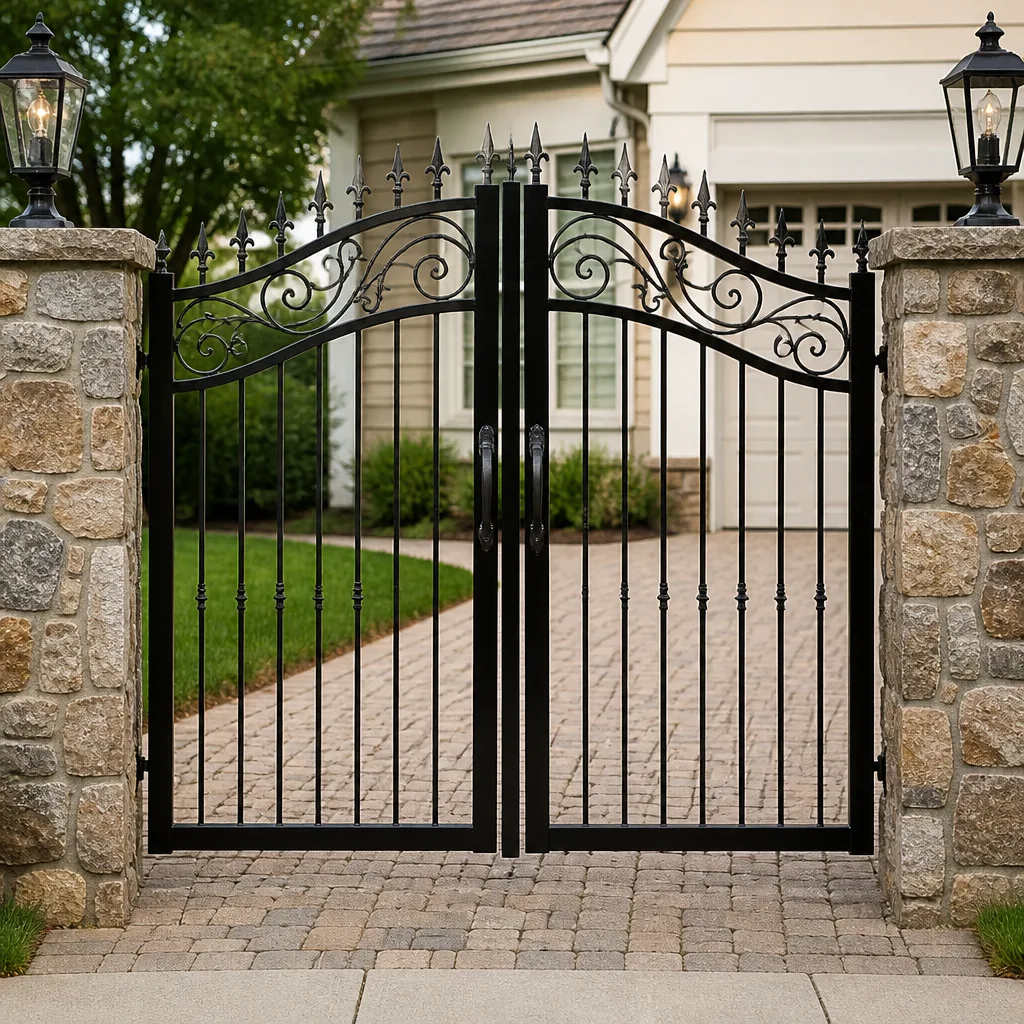 Wrought iron
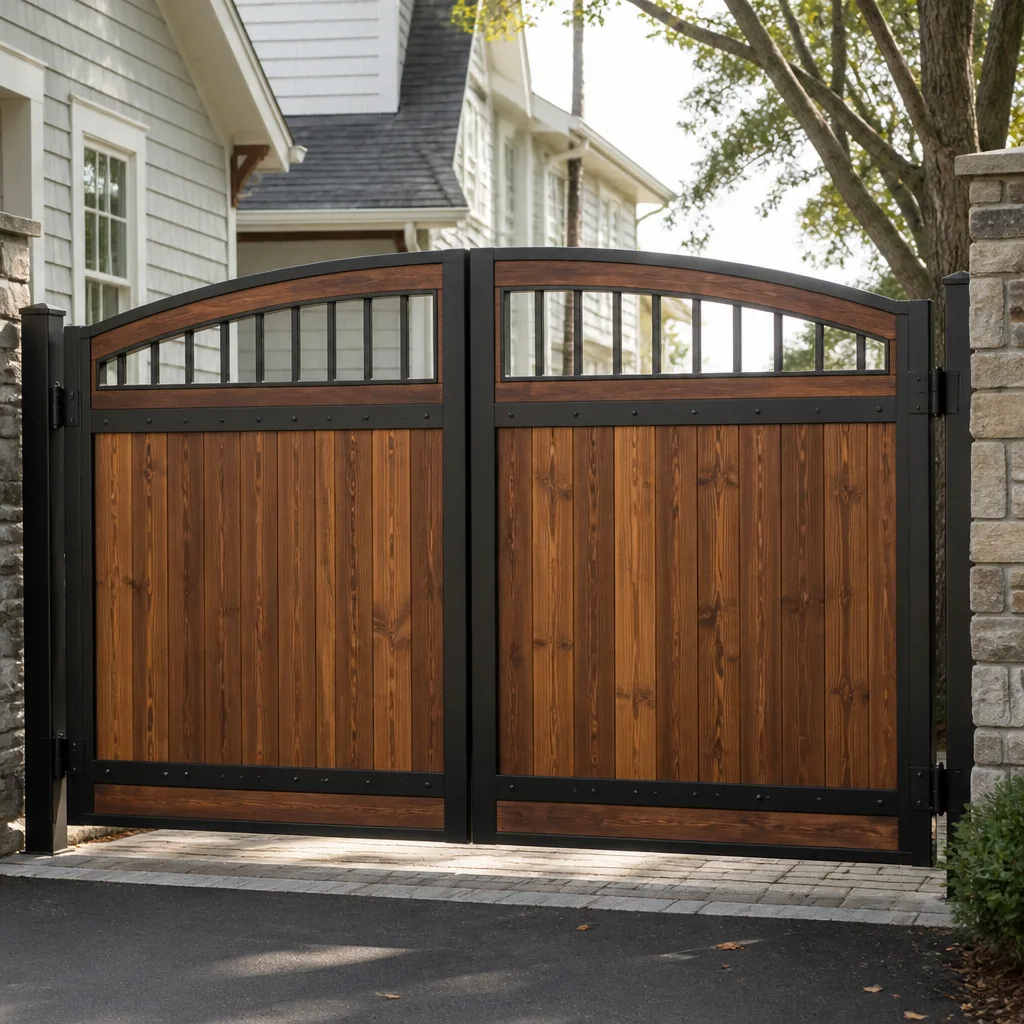 Wood & steel frame
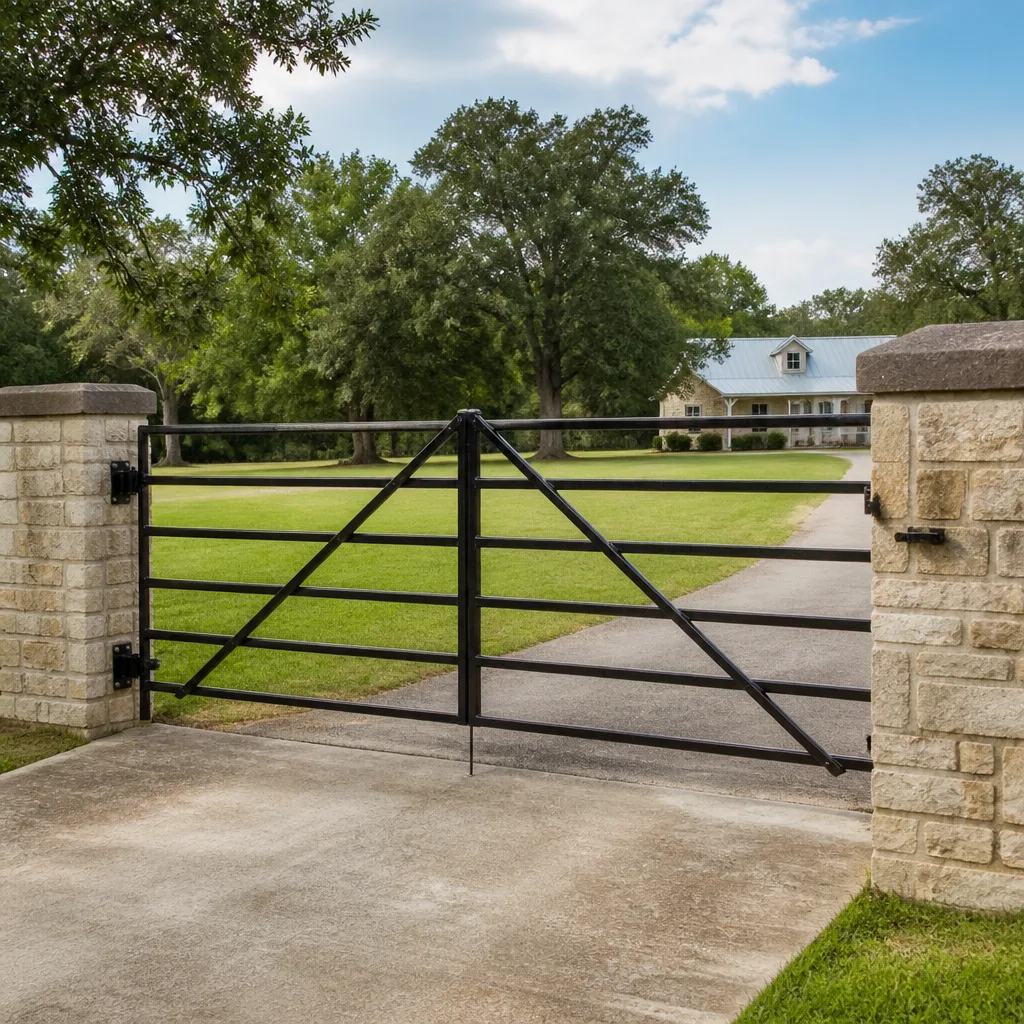 Farm & ranch
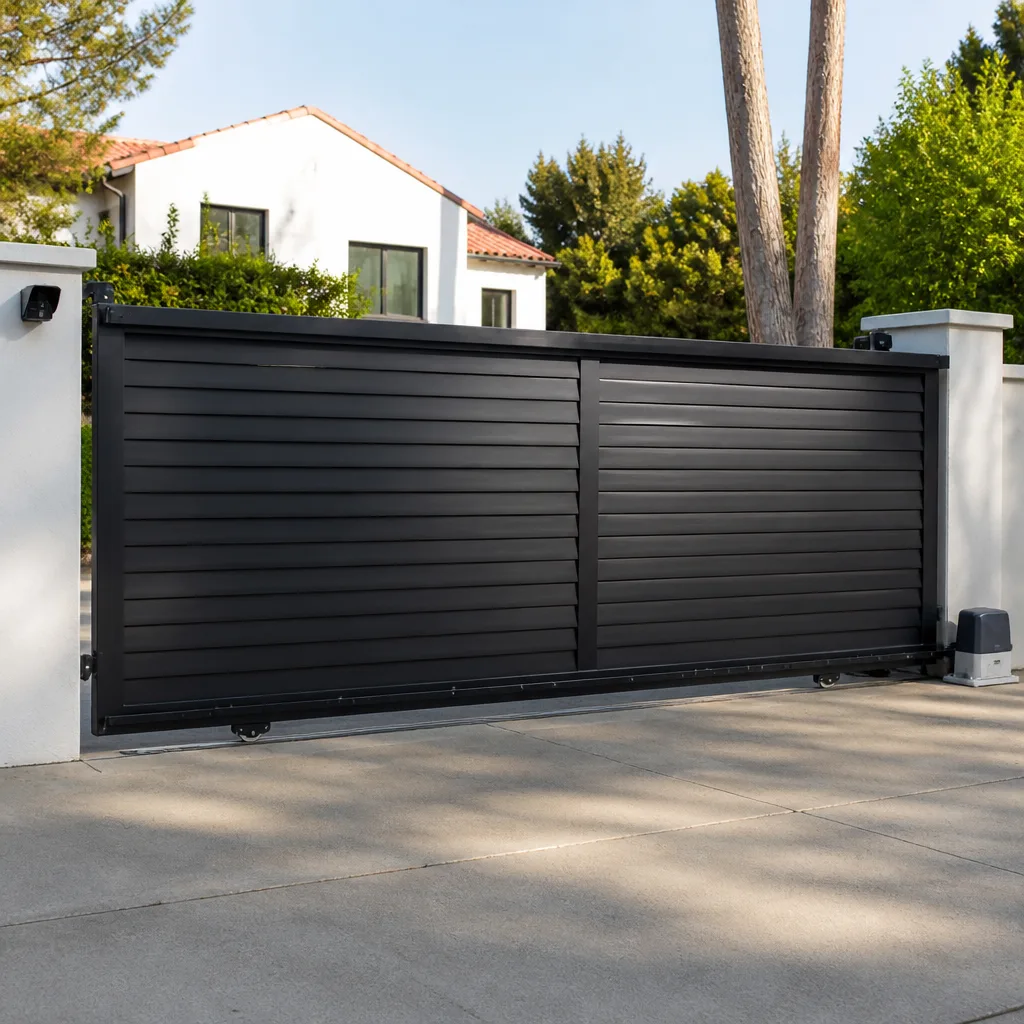 Sliding driveway gates
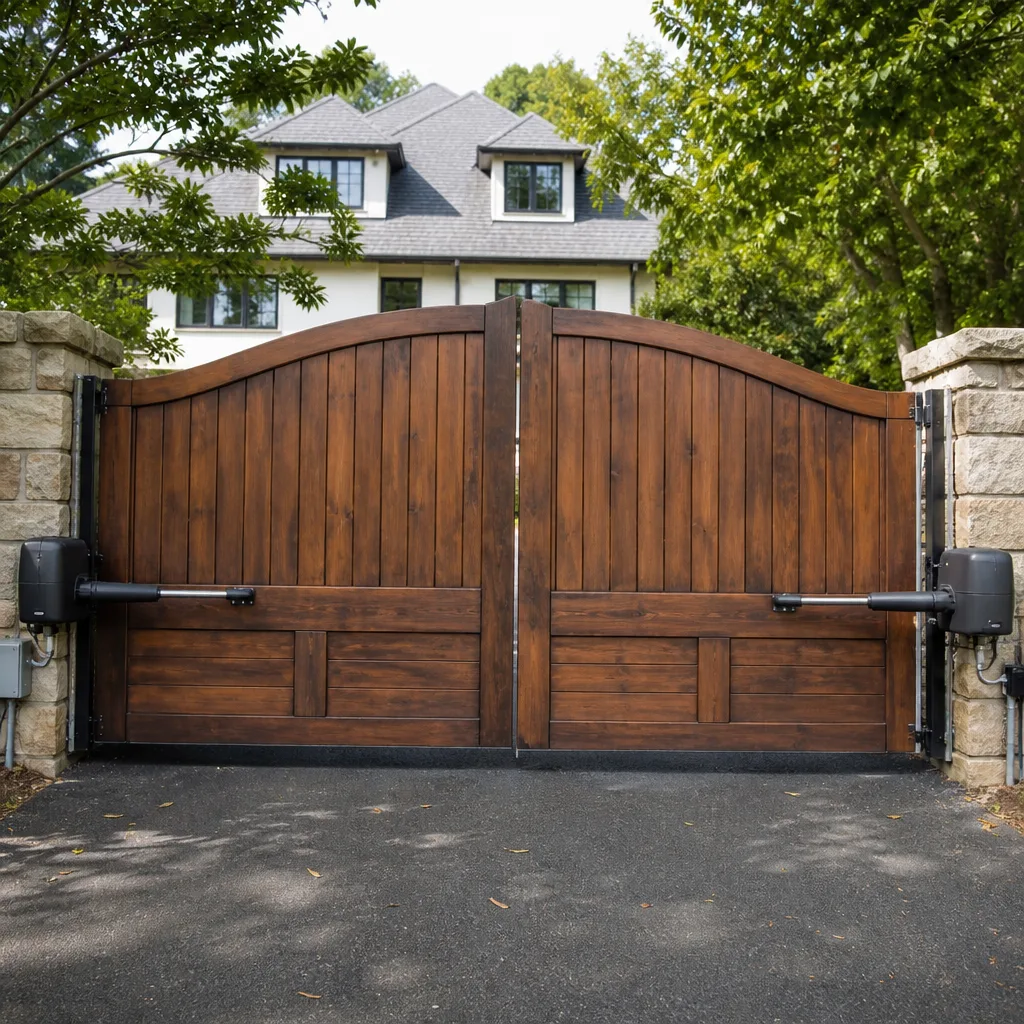 LiftMaster operators
Free on-site gate assessment - hinges, posts, and your LiftMaster or Nice gate operator checked before anything is quoted
The assessment is free and the quote is the invoice.
Get your free estimateSeasonal Gate Repair Care for Killeen: Year-Round Homeowner’s Guide
Most homeowners in Killeen think about their gate twice: when it stops working and when they hear a strange noise. The trouble is, gates don’t fail on the day you notice. They fail months earlier, quietly, while the temperature does its work. February is when we see the most gate failures in Killeen, and heat isn’t the reason. A single ice storm can lock a hydraulic operator solid and finish off a weld that the previous summer had already stressed. This guide walks through what each season actually does to your gate, which tasks you can handle yourself, and which ones need a technician who knows the difference.
Quick Answer
Seasonal gate care in Killeen comes down to two damage seasons and two repair seasons. Summer heat from May through September expands metal, thins lubricant, and cooks control boards. The brief winter ice window from December through February freezes hydraulic fluid and cracks stressed welds. Spring and fall are the calm months when you should inspect, lubricate, and tune the system so neither extreme catches it compromised. Most of the hands-on tuning – force recalibration, board diagnostics, operator adjustment – belongs to a technician, but the visual checks and cleaning are yours.
Styles & brands we work with
- Wrought iron
- Wood & steel frame
- Farm & ranch
- Sliding driveway gates
- LiftMaster operators
Table of Contents
- Why Killeen Gates Fail on a Seasonal Schedule
- Summer Protocol: Heat, Expansion, and Heat Soak (May-September)
- Winter Protocol: Cold Hydraulics and the Ice Event (December-February)
- Spring and Fall: The Two Action Windows
- Drought, Flood, Drought: How Killeen’s Rain Pattern Moves Your Posts
- Owner Tasks vs. Technician Tasks
- What Brand Familiarity Changes in Seasonal Care
- Your Killeen Gate Care Calendar
Why Killeen Gates Fail on a Seasonal Schedule
Killeen doesn’t run four equal seasons. It runs two that cause damage and two that give you a window to prevent it. That’s the single most useful thing to understand about gate care here, because the standard advice you find online is written for places with a long, wet winter or a mild coastal climate. Neither describes Central Texas.
Summer from May through September is the long stress season. Daytime temperatures climb well past 100°F, and a gate sits in direct sun for hours. Metal expands. Lubricant thins and migrates off the moving parts it was supposed to protect. An operator housing that faces west absorbs heat all afternoon, and the control board inside it runs hotter than the manufacturer designed for. That’s heat soak, and it’s a slow killer of electronics.
Winter here is short and mild, which is exactly why it catches people off guard. A gate system that ran fine all summer has no reason to be checked in November. Then an ice storm arrives, the temperature drops hard for a few days, and hydraulic fluid thickens to the point where the operator can’t move the leaf. A weld or a bracket that took on stress during summer expansion is now being pushed by frozen friction. That combination is what fails.
Spring and fall are the mild months, and that’s precisely what makes them valuable. They’re when you can open panels, inspect welds, clean photo eyes, and tune the operator without fighting either extreme. Think of them as maintenance windows, not rest periods. For a broader look at the repair side of this work, our Gate Repair Killeen page covers the service categories in detail.
Summer Protocol: Heat, Expansion, and Heat Soak (May-September)
Summer in Killeen is where gate problems start, even though many don’t show up until later. Here’s what actually happens to a gate between May and September.
Thermal expansion: aluminum vs. steel
Aluminum expands more than steel for the same temperature rise. On a driveway gate made of aluminum, that means the frame and the leaf both grow slightly through the day, and the gate can sit differently at 4pm than it did at 7am. Latch alignment drifts. A gate that closes cleanly in the morning may catch or rub by afternoon. Steel gates expand less, but they carry more weight and put more load on hinges and posts when warm. Either way, the swing geometry changes across the day, and a gate forced closed against that change wears its operator and its hardware faster.
Lubricant viscosity changes above 100°F
Lubricant viscosity is simply how thick it is. Most greases are chosen to work across a range, but when surface temperatures climb past 100°F and the metal sits in direct sun, the grease thins. It runs off hinge pins, rack and pinion gears, and roller tracks. What’s left is a dry contact surface, and dry metal on metal wears quickly. This is the seasonal reason so many Killeen gate failures trace back to worn moving parts rather than a failed board.
Protecting control boards from heat soak
A control board doesn’t fail from one hot day. It fails because it runs hot every afternoon for months, and the capacitors and solder joints degrade slowly. Operator housings mounted where they take full western sun are the worst case. Shade and airflow around the housing help, but you can’t fix a housing location in July. What you can do is have the board and its connections checked in spring, before the heat season, and keep the housing vents clear of dust and debris.
The sensible summer checklist:
- Clear dust and debris from operator housing vents and around the motor.
- Listen to the gate run in the afternoon heat, not just in the cool morning, so you hear the worst case.
- Check that the gate isn’t binding or dragging at the point of the day when expansion is greatest.
- Watch for photo eyes that trip in and out as the afternoon sun hits them.
- Note any change in how the gate sounds or moves, and write down the time of day it happens.
Winter Protocol: Cold Hydraulics and the Ice Event (December-February)
Winter in Killeen is short, but it’s where the sharpest failures happen. A mild December and January lull most people into leaving the gate alone, and then an ice event arrives and finds the system unprotected.
What cold does to hydraulic fluid
Hydraulic gate operators rely on fluid to push the ram. Cold fluid gets thicker, and a hydraulic operator that ran smoothly in the summer may struggle to move the leaf after a hard freeze, or stall partway through the swing. This is not a sign the operator is broken. It’s a sign the system was never checked for cold readiness. Having hydraulic operators and their fluid condition checked before the winter window is one of the most useful seasonal moves in Killeen.
Freeze protection for keypad entries and photo eyes
Keypad entries and photo eyes are small exterior devices with covers and gaskets. Ice forming on or inside a keypad cover can make the buttons unresponsive; water that gets into a photo eye housing and then freezes can blind the sensor or crack it. Before a predicted ice event, check that covers are seated, gaskets aren’t perished, and no water is pooling around the base of the device. That’s a five-minute check that saves a service call.
The night before a predicted ice event
This is the point Killeen homeowners miss every year. The night before a forecast ice storm:
- Move the gate to the position you want it to sit in through the storm – usually open or closed depending on security needs – and switch the operator to manual if your model allows it.
- Lubricate exposed hinge points, latches and roller tracks so any ice that forms has less bare metal to bond to.
- Clear leaves and debris from the gate track or swing path, since wet debris freezes into a hard obstruction.
- Check that drain paths and gutters aren’t sending water toward the gate footing.
- Make a note of any gate that’s been stiff or noisy, and get it looked at before the freeze, not after.
BFT and FAAC hydraulic operators are common on Killeen residential gates, and cold-start behavior varies by model, so we diagnose the specific operator rather than guessing from brand alone.
Spring and Fall: The Two Action Windows
Spring and fall in Killeen are mild, which makes them the right time to do the work that protects the gate through the extreme months. These are inspection and tuning windows.
Spring: prepare for summer
Spring is the time to clean and lubricate moving parts before heat thins the grease, check operator housing ventilation, and have the control board and its connections looked at. It’s also the time to check that the gate leaf isn’t binding or dragging – a bind that’s minor in spring becomes a real load on the operator in July.
Fall: prepare for winter
Fall is the time to check hydraulic operators, confirm photo eyes and keypads are sealed, look at hinges and latches for wear, and get any tuning done while the temperature is stable. This is also the right moment for a technician to recalibrate the operator force, because a force set correctly in July may not hold up across the temperature swing into winter.
If you need a hand with either window, our gate repair service covers inspection and tuning as part of the visit, and the technician will tell you honestly what needs repair and what doesn’t. That repair-forward approach – diagnose first, replace only when necessary – is how we work.
Drought, Flood, Drought: How Killeen’s Rain Pattern Moves Your Posts
Killeen’s rain doesn’t arrive evenly. It comes in bursts and follows long dry spells. That pattern stresses gate posts and footings in a way that coastal climates and steady-rain regions don’t experience.
In a dry stretch, soil shrinks and pulls away from the footing. In a heavy rain event, that soil reabsorbs water fast, swells, and shifts. Then the next dry spell shrinks it again. Over seasons, a post that was set correctly can begin to tilt or loosen, and a gate that was once square starts to hang on its hinges. If you notice a gate that’s started to drag, sag, or swing out of alignment, the post footing is one of the first things a technician should check – it changes how the gate sits regardless of what the operator is doing.
The seasonal implications:
- After a heavy rain event, watch for water pooling at the base of gate posts and along the swing path.
- In a dry spell, avoid using a gate that’s dragging or hanging badly; the added friction stresses the operator.
- Have post and footing stability checked in spring before the dry season and again in fall.
- Make sure runoff from the house or driveway isn’t being directed at the gate footing.
For a fuller picture of the repair options in Killeen, our Killeen page covers what residential and commercial gate work in this city typically involves.
Owner Tasks vs. Technician Tasks
Some seasonal gate work is genuinely yours. Some of it isn’t, and trying to do it yourself can make things worse or put you at risk.
Tasks you can handle
- Visual inspection of the gate leaf, posts, hinges, and latches.
- Clearing debris from the track, swing path, and around the operator housing.
- Cleaning photo eye lenses with a soft, dry cloth.
- Checking that keypad and photo eye covers are seated and not letting water in.
- Lubricating exposed hinge points and latches – never the internal operator.
- Listening to the gate run and noting when it sounds or behaves differently.
Tasks that need a technician
- Recalibrating the operator force after a temperature swing. A force setting that holds in one season doesn’t necessarily hold across a wide swing, and an improperly set force creates a real safety problem.
- Diagnosing control board faults and operator electronics. These involve live electrical components and should only be worked on by a trained technician.
- Repairing or adjusting hydraulic operators. Hydraulic systems are under pressure and contain fluid that should only be serviced by a trained technician.
- Assessing post and footing stability, which requires measuring the gate’s alignment and the condition of the concrete and soil.
- Any repair on a heavy gate leaf. A gate that comes off a track or swings unintentionally can crush
If you’re unsure which side a task falls on, treat it as a technician task and call. That’s the safe default with any gate system.
What Brand Familiarity Changes in Seasonal Care
Not every gate system responds to heat and cold the same way, and knowing the brand matters when a seasonal problem shows up. We work with nine major gate brands and diagnose each one by its own logic rather than applying a single playbook.
A few examples from the brands we routinely see on Killeen gates:
- FAAC and BFT operators – both common on residential and light commercial gates – have their own cold-weather and fluid characteristics as hydraulic and electromechanical units, and they’re checked accordingly.
- Linear operators turn up on residential driveway gates and have their own board and sensor behavior in heat.
- Viking controllers have specific calibration routines that need to be run correctly after temperature-driven force changes.
And the rest of the names we service – LiftMaster, Ghost Controls, DoorKing, Elite, and Mighty Mule – round out the range. Because we’re gates only, we learn each brand deeply rather than splitting attention across garage doors, HVAC, or plumbing. When a seasonal fault shows up, our job is to figure out what that specific operator is telling us, not to swap in a brand we prefer. Repair, electric system service, and new installation are all under one roof, so you don’t need a second contractor if the diagnosis leads to something bigger.
We work on your brand, not around it. Call (866) 722-0161. We answer 24/7. Fast dispatch from 7am to 7pm, Sunday through Friday.
Your Killeen Gate Care Calendar
Here’s the seasonal schedule we recommend for a Killeen gate, laid out month by month. Use it as a checklist you can keep.
- March and April (spring window): Clean and lubricate hinges, latches, and tracks. Check post stability. Have the control board and connections inspected. Watch for a gate that’s binding ahead of summer.
- May through September (summer, the heat season): Clear operator housing vents monthly. Listen to the gate run in the afternoon. Watch for photo eyes tripping in the sun. Note any change in sound, speed, or behavior.
- October and November (fall window): Check hydraulic operator condition. Reseal keypad and photo eye covers. Have the operator force recalibrated before the cold. Look at hinges and latches for wear.
- December through February (winter, the ice risk window): Before any predicted ice event, move the gate to a protected position, lubricate exposed metal, clear the swing path, and confirm covers are seated. After the freeze, test the gate and have cold-start failure checked.
- Ongoing: After any heavy rain, check for water pooling at posts and along the track. During long dry spells, watch for a gate that’s starting to drag.
Common Mistakes to Avoid
- Skipping the fall check because the summer was mild. A gate that ran fine all summer has no visible reason to be inspected in November, which is exactly why the ice event catches it. The fall inspection isn’t optional in Killeen.
- Using a generic lubricant on everything. Grease that’s fine for a hinge isn’t the right choice for a rack and pinion, and the wrong lubricant gathers dust or runs off in summer heat. Check what the operator’s manual recommends, and leave the internal operator alone.
- Assuming a cold-weather stall means the operator is broken. A hydraulic operator that refuses to move after a freeze may just need its fluid and seals checked. Replacing it before diagnosis is an expensive mistake.
- Adjusting operator force yourself. Force settings interact with safety edges and sensors, and the wrong setting on a heavy gate leaf creates a crush hazard. Leave this to a technician.
- Ignoring a dragging gate until summer. A gate that’s already binding in spring will put much more load on the operator in July, when heat thins the lubricant. Fix the bind early.
- Letting debris build up in the track or swing path. Wet debris freezes hard in an ice event, and a frozen obstruction can stop a gate mid-swing. Clear the path before winter and after heavy rain.
- Assuming the gate’s alignment problem is the operator. If the gate is sagging or swinging off, the post footing is often the cause. That’s a footing question, not an electronics question.
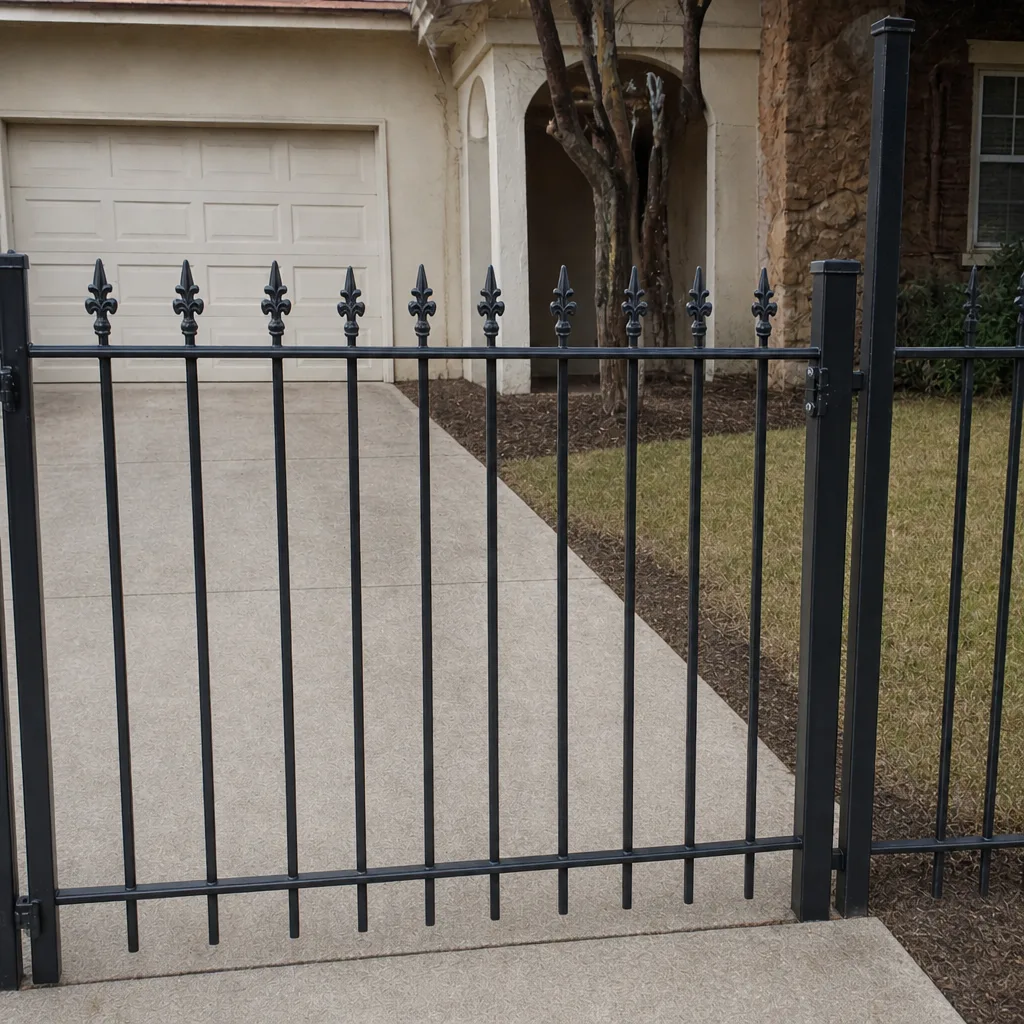
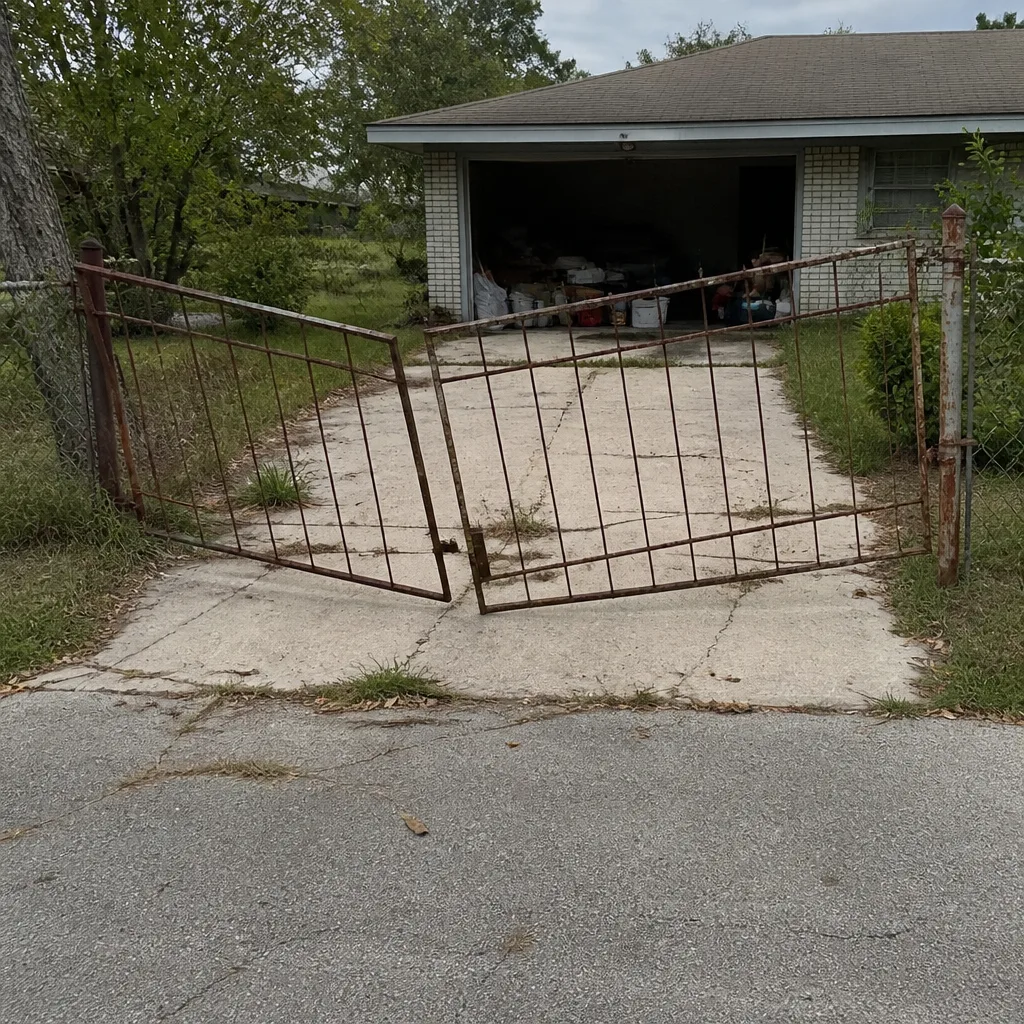
See the difference
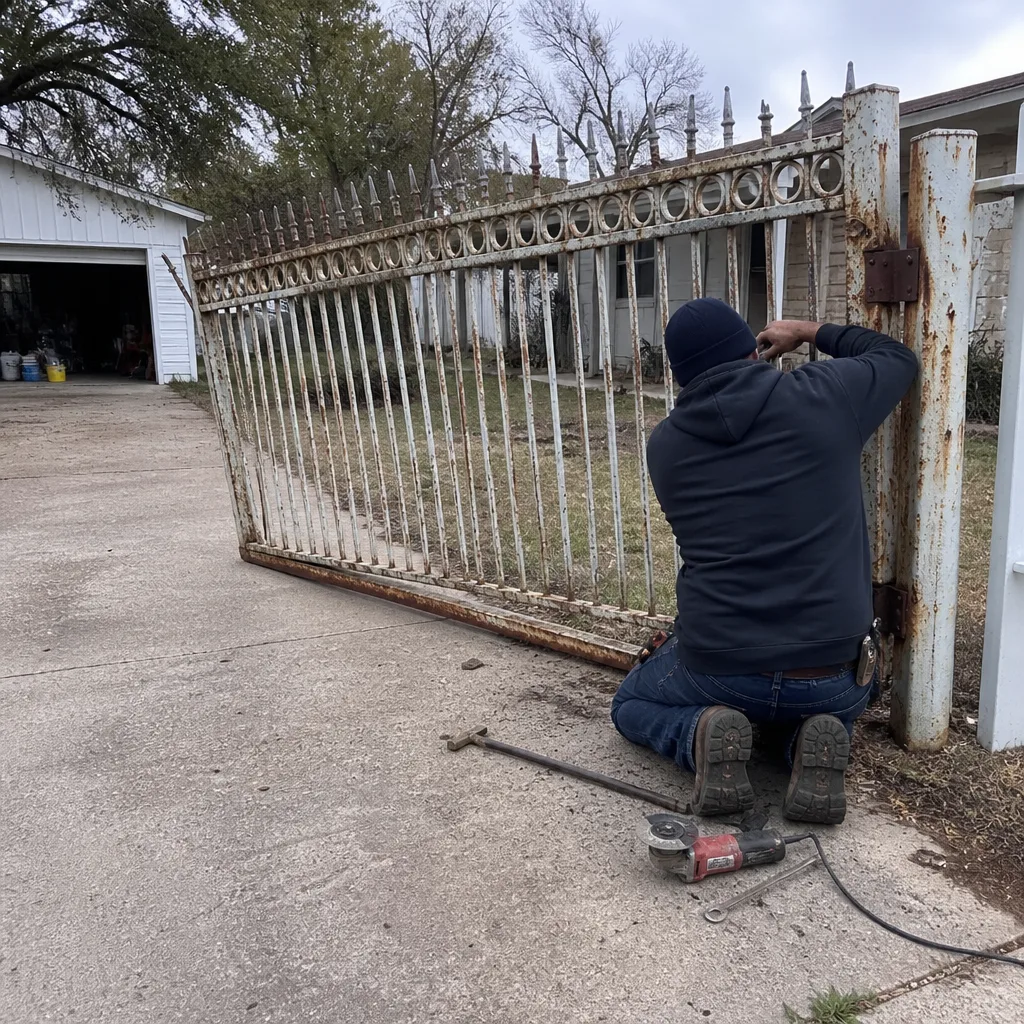 Before
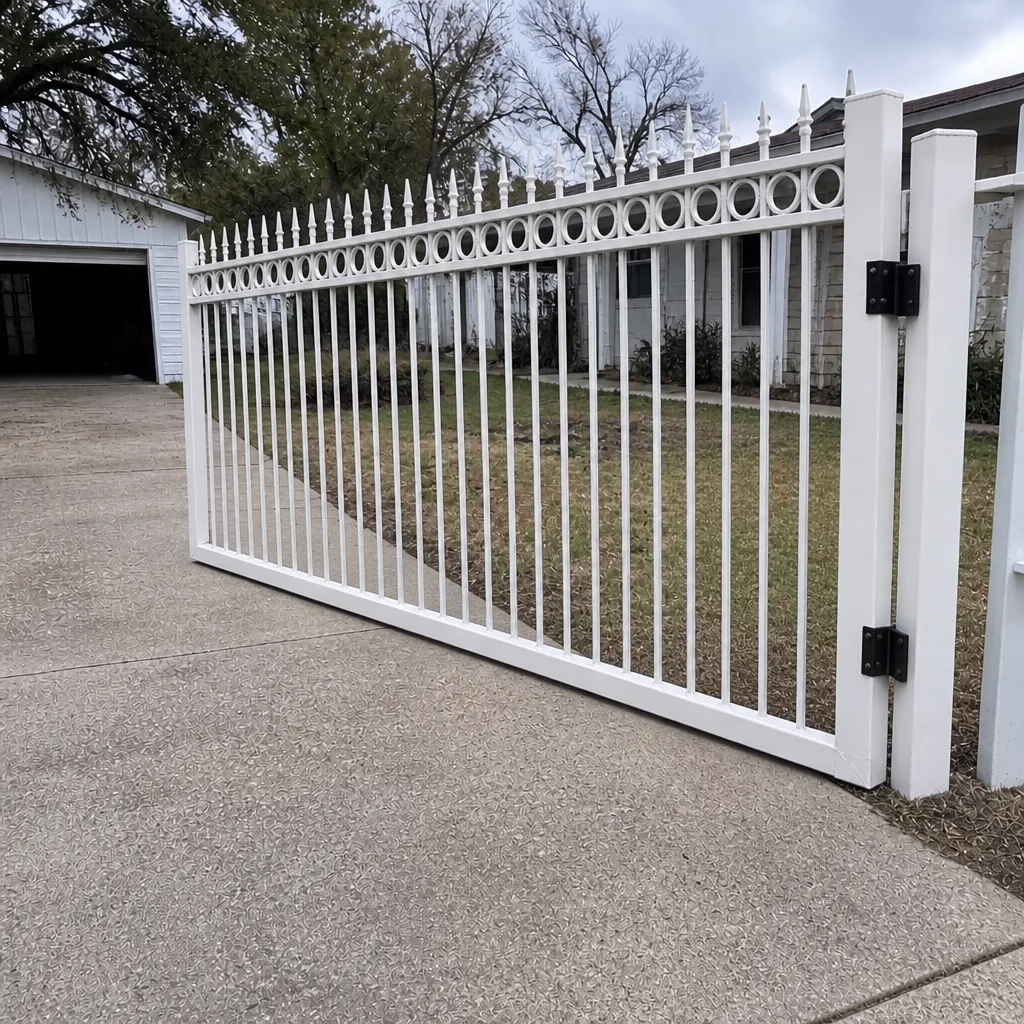 After
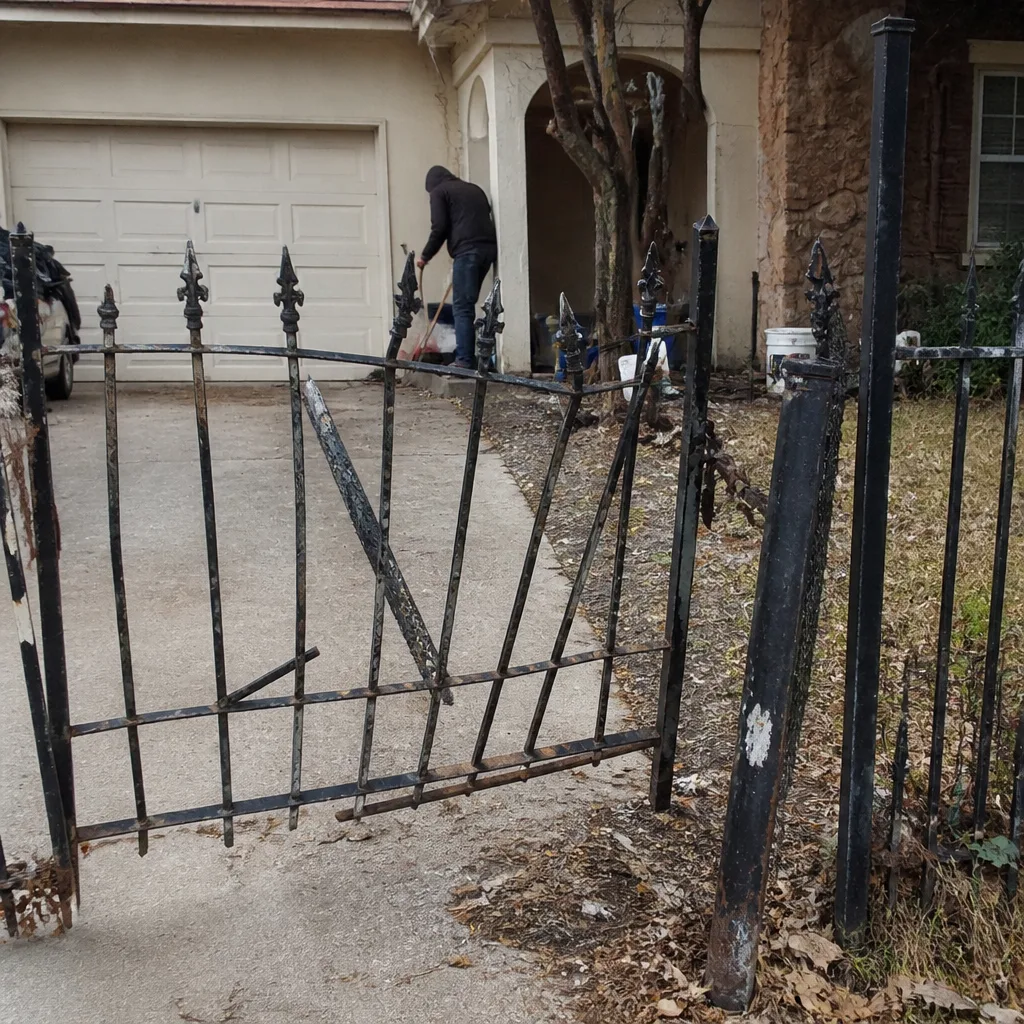 Before
 After
 Before
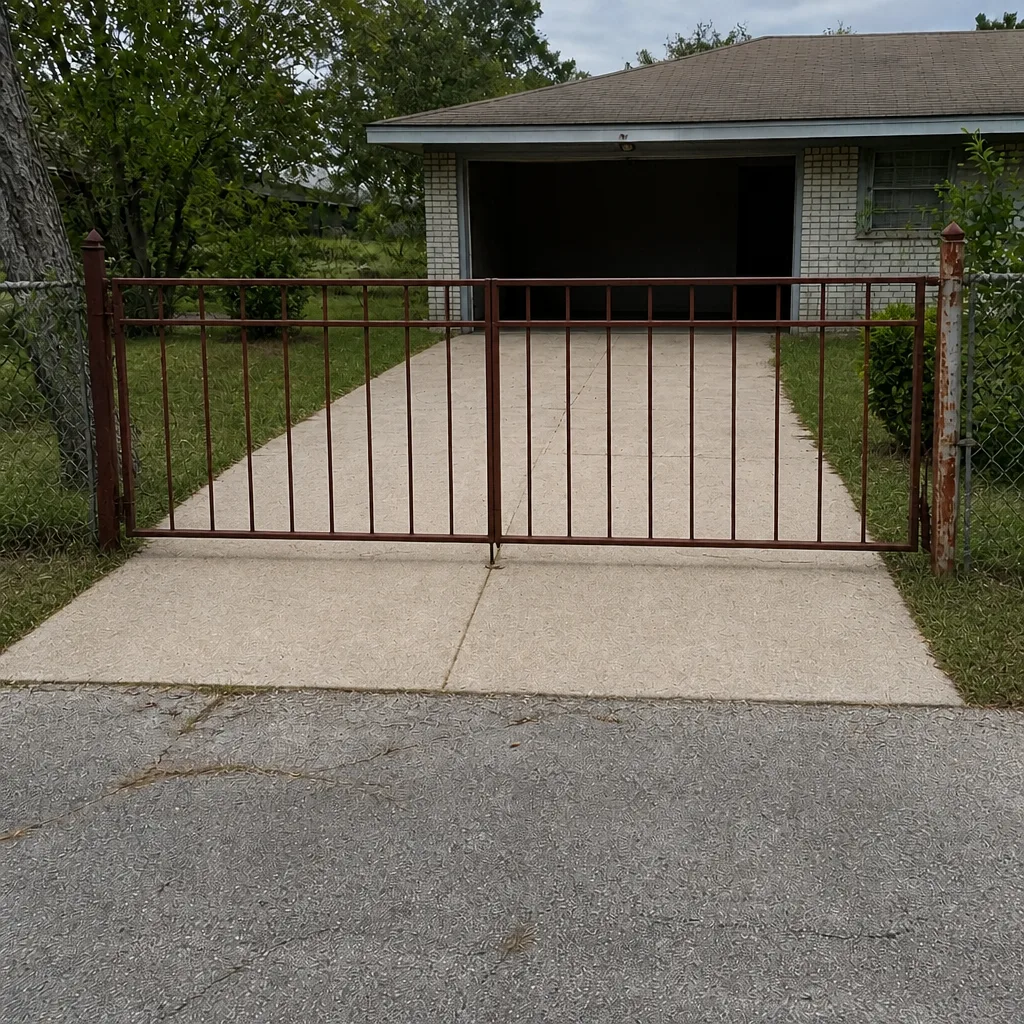 After
When to Call a Professional
Some seasonal problems resolve with a cleaning and a check. Others need a technician before they get worse. Call us if the gate stalls or refuses to move after a freeze, if hydraulic fluid behavior has changed, if the control board shows a fault or the operator behaves erratically, if the gate is dragging or hanging badly, or if you hear a noise that wasn’t there last month. Any repair on a heavy gate leaf, or on major electrical components, should only be done by a trained technician – these are real hazards, and the safe move is to get someone who works on gates every day. Gate Repair Killeen offers free estimates in Killeen – call (866) 722-0161. We answer 24/7. Fast dispatch from 7am to 7pm, Sunday through Friday.
Frequently Asked Questions
February, during and just after the winter ice window, is when we see the most gate failures in Killeen. Summer heat from May through September stresses metal, lubricant, and control boards, but the acute failures tend to land when cold locks hydraulic operators and cracks welds already stressed by the summer. For electric systems specifically, our electric gate repair team handles the operator and control side. Call (866) 722-0161 for an exact quote – estimates are free.
You can, but it may not be the best position. If a freeze is predicted, we recommend moving the gate to the position you want it in through the storm and switching the operator to manual if your model allows, then lubricating exposed metal and clearing the swing path. If you’re not sure how to put your operator into manual mode, call (866) 722-0161. We answer 24/7 and can talk you through it.
Heat thins the lubricant on moving parts and expands the gate leaf, which can make the gate drag slightly at the hottest point of the day. A gate that’s consistently slower in summer may be binding or overdue for a lubricant check. If the operator itself is slow or straining, call (866) 722-0161 for an exact quote – estimates are free.
Twice a year, in the spring and fall windows, is the right rhythm for Killeen. Spring prepares the gate for summer heat, and fall prepares it for the winter ice window. Between those, the owner checks are visual and simple. Call (866) 722-0161 to book a spring or fall inspection – estimates are free.
It does. Different operators – FAAC, BFT, Linear, Viking, and the rest – have their own board behavior, sensor logic, and cold-start characteristics, and a technician who knows the brand will diagnose and tune it correctly. That’s why we work on the brand you already own rather than steering you toward a replacement. Call (866) 722-0161 for a free estimate.
It can prevent the most common ones. A fall inspection that checks hydraulic fluid, seals, force calibration, and keypad covers addresses the failure points that show up in the winter ice window. Spring care does the same ahead of summer heat. Neither guarantees the gate won’t fail, but it keeps the system from going into an extreme season already compromised. Call (866) 722-0161 to schedule yours – estimates are free.
The Bottom Line
Killeen’s gate care runs on two damage seasons and two action windows, not four equal seasons. Summer heat from May through September expands metal, thins lubricant, and heats control boards. The winter ice window from December through February locks hydraulics and finishes off stressed welds. Spring and fall are when you inspect, lubricate, and tune so the extremes don’t catch the gate compromised. Keep the owner tasks simple – visual checks, cleaning, exterior lubrication – and route force recalibration, electronics, hydraulics, and repairs on heavy gate leaves to a technician. Gates only is what we do, and seasons are how we think about them in Killeen.
Written by the team at Gate Repair Killeen.